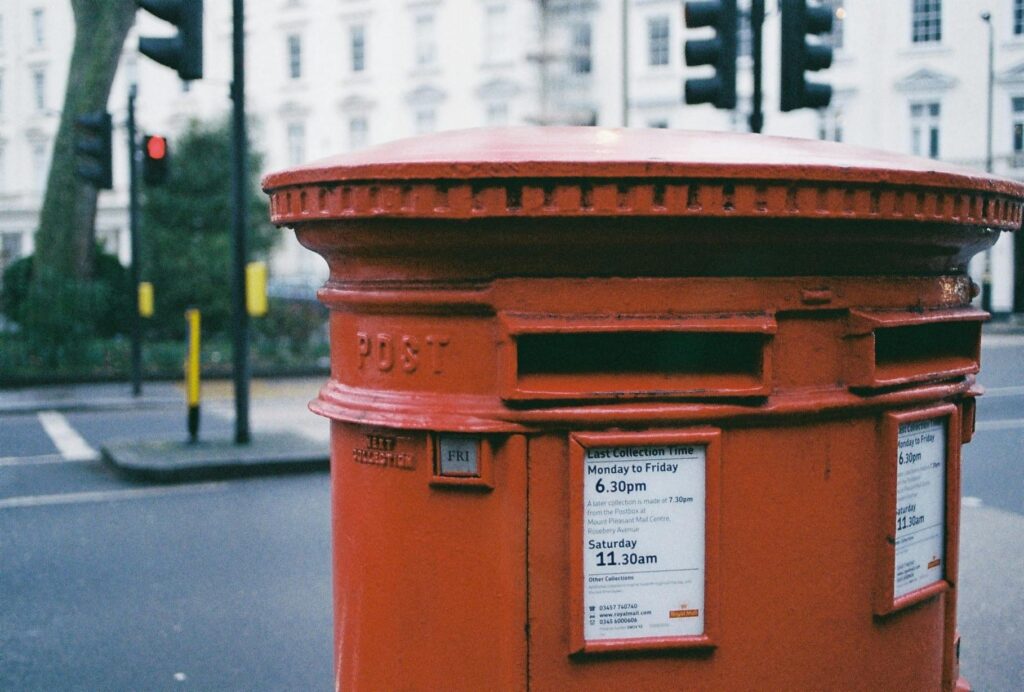
Hai mai visto un espositore di cartoline in un negozio di souvenir e ti sei chiesto: "Ma la gente le manda ancora?". La risposta è sì, e continuano a regalare un sorriso a familiari e amici quando vengono ricevute! Se non ne hai mai spedita una prima d'ora, questo è il momento giusto per iniziare. Che tu stia viaggiando con lo zaino in spalla attraverso l'Europa o ti stia godendo l'atmosfera di Amsterdam o Londra, le cartoline sono un modo divertente e creativo per immortalare il momento.
Perché dovrei scrivere una cartolina?
Niente è meglio di un biglietto scritto a mano
In un mondo pieno di messaggi diretti e snap che scompaiono, c'è qualcosa di davvero fantastico nell'inviare un biglietto scritto a mano. Una cartolina sembra più personale. Dimostra a qualcuno che hai dedicato un minuto della tua avventura a pensare a lui.
È un ottimo modo per creare ricordi indelebili
Le cartoline non sono solo messaggi, sono souvenir che racchiudono storie. Le troverete infilate in scatole dei ricordi, attaccate al frigorifero o appese alle pareti anche dopo anni. Sono piccole capsule del tempo dei vostri viaggi, pronte a suscitare ricordi (e forse anche un po' di invidia).
Scegliere la cartolina perfetta
Dove trovare cartoline uniche
Non limitarti alle solite mete turistiche. Prova a dare un'occhiata alle librerie più particolari, ai mercatini d'arte locali, ai negozi dei musei o anche alla reception degli ostelli. Il team di Clink è sempre pronto ad aiutarti! Se vuoi pianificare in anticipo, puoi anche dare un'occhiata ai marketplace online dei designer indipendenti di cartoline.
Scegliere immagini accattivanti
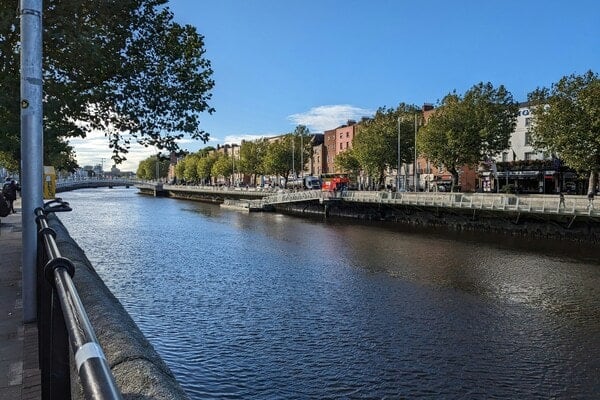
Forse è un canale malinconico al tramonto, un detto locale divertente o anche qualcosa di completamente casuale che ti ha fatto ridere. Le cartoline migliori sono quelle che rispecchiano il tuo viaggio!
La magia delle cartoline fai da te
Non riesci a trovare il biglietto perfetto? Creane uno tu! È più facile di quanto pensi e molto più personale.
Ecco alcune idee creative per le cartoline:
Disegnalo: prendi un biglietto bianco e disegna il panorama che vedi, una mascotte di viaggio o una versione buffa di te stesso in stile cartone animato.
Crea un collage: incolla ritagli di biglietti di viaggio, mappe locali o persino tovaglioli stravaganti che hai preso in un bar.
Scattala: stampa una delle tue foto preferite del viaggio e trasformala in una cartolina (alcune tipografie locali possono aiutarti).
Realizzalo: hai un po' di tempo libero e qualche abilità nel fai da te? Dai libero sfogo alla tua creatività con colori, texture e il tuo genio creativo interiore.
Ricordati solo di lasciare uno spazio libero per il tuo messaggio e l'indirizzo: gli impiegati delle poste apprezzano un po' di spazio!
Creare il tuo messaggio
Ok, hai il tuo biglietto, ora cosa scrivi? Lo spazio è piccolo, ma questo è parte del divertimento!
Sii te stesso: mantieni un tono informale e colloquiale, come se stessi scrivendo un messaggio a un amico.
Descrizione della scena: «Sto sorseggiando un espresso di dubbia provenienza in un caffè di un vicolo secondario di Amsterdam...»
Aggiungi un dettaglio divertente: «Ieri ho provato il paddleboarding e sono caduto in acqua. Due volte».
Lascia loro un sorriso: chiudi con uno scarabocchio, una battuta privata o un "Vorrei che fossi qui!".
Consiglio utile: vuoi distinguerti dagli altri? Procurati un timbro con un motivo tipico locale! Chiedi alla reception del tuo Clink Hostel per avere qualche idea e saremo lieti di aiutarti.
Invio della cartolina
Hai fatto la parte divertente, ora spediamolo!
Chiedi all'ostello: il personale del Clink di solito sa dove si trova la cassetta postale più vicina (e potrebbe anche spedirlo per te!).
Cerca di tenere conto dei tempi di spedizione. È probabile che la tua cartolina impieghi un po' di tempo prima di arrivare a destinazione.
Trucchi per cartoline
Prima di partire, procurati alcuni francobolli internazionali.
Scrivi le tue cartoline in anticipo, così non te ne dimenticherai e non avrai problemi di tempo.
Scatta una foto prima di inviarla, nel caso volessi ricordare ciò che hai scritto.
Consigli finali per migliorare il tuo gioco con le cartoline
Personalizza il tuo messaggio: usa un soprannome, fai riferimento a una battuta privata o aggiungi uno scarabocchio spiritoso. È questo che lo rende tuo.
Scegli francobolli con carattere: sono come piccole opere d'arte e fanno risaltare la tua cartolina tra la pila di noiose bollette e volantini.
Trasformalo in un rituale: inviare una cartolina per ogni viaggio è una tradizione divertente. Oppure inviane una da ogni città: il te stesso del futuro ti ringrazierà.
Domande frequenti
Cosa dovrei scrivere su una cartolina?
Condividi un frammento della tua avventura, un pensiero veloce o anche solo un simpatico "ciao". Sii leggero, personale e giocoso.
Come si indirizza una cartolina?
Inserisci il nome, la via, la città, il codice postale e il Paese sul lato destro. Una grafia chiara aiuta. (Sì, davvero.)
Posso spedire una cartolina all'estero?
Sì, assicurati solo di includere il nome del Paese e di apporre il francobollo internazionale corretto. In caso di dubbi, chiedi all'ufficio postale locale o al personale dell'ostello.
Devo scrivere il mio indirizzo di ritorno?
Non sempre, ma è utile, soprattutto se la tua carta viene smarrita o non viene consegnata. Per sicurezza, scrivi il tuo nome e indirizzo di residenza nell'angolo in alto a sinistra.
Posso inviare cartoline fatte a mano?
Sì! Assicurati solo che la tua creazione sia delle dimensioni di una cartolina (circa 10 x 15 cm), abbastanza resistente da sopravvivere alla spedizione postale e che abbia spazio sufficiente per il francobollo e l'indirizzo.
Dove posso acquistare i francobolli durante un viaggio?
Troverai i francobolli negli uffici postali e in alcuni negozi di souvenir. Se hai dei dubbi, chiedi a qualcuno del posto, ti indicherà dove andare.
Cerchi un modo divertente per cambiare la tua routine? Che tu stia viaggiando da solo, in compagnia dei tuoi amici o facendo nuove amicizie lungo il percorso, questa lista di idee per l'estate fa al caso tuo. Da esperienze adrenaliniche a momenti di relax, queste idee ti aiuteranno a rendere ogni giorno speciale. Quindi, prendi gli occhiali da sole, preparati a esplorare e rendiamo questa estate indimenticabile!
Fai una passeggiata all'alba o al tramonto per goderti i panorami più belli.
Fai volontariato in un orto comunitario o in un orto urbano.
Partecipa a uno spettacolo teatrale all'aperto.
Visita un mercatino dell'usato o delle pulci per trovare oggetti unici per l'estate.
Esplora storie inquietanti con un tour dei fantasmi o scopri la storia locale con una passeggiata guidata.
Impara ad andare sullo skateboard o sui pattini in linea in un parco locale.
Create insieme un ricordo del viaggio, come un album fotografico per ricordare il vostro viaggio.
Poniti l'obiettivo di correre un certo numero di volte alla settimana o al mese e monitora i tuoi progressi.
Crea una playlist estiva e condividila con gli amici.
Scrivi cartoline o lettere ad amici e familiari.
Partecipa a un evento silent disco e divertiti a ballare al ritmo che preferisci.
Goditi un picnic al tramonto su un tetto o sulla cima di una collina con vista panoramica.
Partecipa a un festival culturale che celebra un altro Paese o una comunità diversa.
Impara a creare gioielli, candele o prodotti di bellezza naturali.
Prova a osservare le stelle in una notte limpida e vedi se riesci a individuare costellazioni o pianeti.
Organizza una "giornata del sì" e accetta di vivere avventure (sicure e ragionevoli).
Visita un campo di lavanda, girasoli o fiori selvatici per una passeggiata fotografica da sogno.
Impara le nozioni di base del primo soccorso o segui un corso sulla sicurezza.
Trascorri una giornata senza telefono e vivi pienamente il momento presente.
Prova una escape room con gli amici per una divertente sfida di squadra.
Prova il bagno nella foresta (shinrin-yoku) per un'esperienza rilassante a contatto con la natura.
Crea una capsula del tempo con i tuoi amici e seppelliscila (o sigillala in modo sicuro per aprirla in seguito).
Prova a suonare per strada o guarda gli artisti locali che si esibiscono per strada.
Prepara i tuoi ghiaccioli o le tue bevande estive con frutta fresca.
Organizza una sessione di tintura fai da te e personalizza vecchie magliette o borse di tela.
Organizza una giornata o un viaggio a sorpresa per un amico o un familiare.
Infine, ma non meno importante, venite a trovarci, saremo lieti di partecipare alle vostre avventure estive!
Per riassumere
Ecco qua. Una lista ricca di avventure estive, momenti di relax e tutto ciò che sta in mezzo. Che tu ne spunti uno o dieci, l'importante è uscire, provare qualcosa di nuovo e creare ricordi indimenticabili. Allora, cosa aspetti? Raduna i tuoi amici, tuffati nell'estate e goditi i bei momenti. E se hai delle idee estive preferite, condividile con noi, siamo sempre alla ricerca di ispirazione!
Lascia che ti aiutiamo a creare ricordi indimenticabili per l'estate
Soggiorna negli ostelli Clink di Amsterdam, Dublino o Londra e goditi al massimo la tua avventura estiva. Cerca il brivido, incontra nuovi amici o immergiti nell'atmosfera della città. Qualunque sia il tuo stile, abbiamo il posto perfetto per rilassarti dopo una giornata di esplorazioni. Prenota oggi stesso il tuo soggiorno e inizia a creare ricordi che dureranno per tutta la vita!
Get ready to elevate your Dublin experience with our guide to the city’s top rooftop bars! From stunning city vistas to cosy hideaways under the stars, Dublin’s rooftop scene offers something for everyone. If you’re sipping cocktails with friends or enjoying a romantic evening with a view, these 10 rooftop destinations are sure to make your Dublin adventure unforgettable. Join us as we explore the best rooftops to sip, socialise, and soak up the atmosphere high above the bustling streets of Dublin.
1. Fitzsimons
Fitzsimons’ Roof Garden is Dublin’s sunny sanctuary, where you can sip cocktails or pints while soaking up the rays. Adorned with colourful picnic benches, blooming flowers, and its own bar, it’s a haven for Instagram-worthy moments. Picture this: you and your crew lounging in Dublin’s top open-air rooftop bar, enjoying chilled drinks under the sun. And with its retractable roof, the party never stops, even if the rain decides to join in! So, gather your friends and escape to Fitzsimons for a memorable rooftop experience.
Address: 21/22, Wellington Quay, Temple Bar, Dublin
Perched in Temple Bar, Dublin’s buzzing hub, Bad Bobs’ rooftop promises an elevated experience. With its prime spot on Essex Street, it’s your ticket to the high life. This hidden gem boasts its own bar and ample seating, making it the go-to for groups and solo adventurers alike. But it’s not just about the amenities, it’s the vibe. Picture yourself with a drink in hand, soaking in the infectious energy under the starry sky. So, why wait? Elevate your night at Bad Bob’s!
Address: 35-37 Essex St E, Temple Bar, Dublin 2, D02 Y891
3. Sophie’s
Sophie’s is the epitome of sophistication in Dublin, offering stunning city views from its glass walls and rooftop dining area. By day, it’s a brunch haven under Dublin’s sky, and by night, it transforms into a lantern-lit wonderland, serving up exquisite cocktails and an impressive wine selection. If you’re willing to splurge, Sophie’s panoramic views offer a luxurious escape from the city, rain or shine. It’s a glamorous choice for a date night or special occasion, with a stunning outdoor nook for when you crave some fresh air. So, if you’re ready to treat yourself, Sophie’s awaits with its upscale ambiance and breathtaking vistas.
Atop the famous Guinness Storehouse sits the Gravity Bar, offering the most incredible views of Dublin’s skyline. Here’s the catch: you need a ticket to the Guinness Storehouse to get in. But it’s worth it! The Gravity Bar promises an unforgettable adventure filled with Guinness culture, great vibes, and, of course, amazing views!
Address: St. James’s Gate, Dublin 8, D08 VF8H
5. Fade Street Social
Fade Street Social offers an exclusive experience with its outdoor spacious and heated area, perfect for pre or post-dinner drinks and unwinding to funky tunes. For those looking to indulge in something special, the rooftop Winter Garden is a must-visit. While it’s on the pricier side, it’s worth splurging for a special occasion. Here, guests can enjoy superb food, handcrafted cocktails, and a relaxed ambiance where you can even catch a glimpse of the stars at night, making it an ideal spot for creating lasting memories with friends or loved ones.
Address: 6 Fade St, Dublin 2, D02 NF77
6. The Workman’s Club
At The Workman’s Club, every night feels like a weekend celebration! The heated outdoor space peels back the roof for an alfresco experience whenever the weather permits. With its fully-stocked bar and lively party atmosphere, the fun doesn’t stop until the early hours. It’s the perfect spot to mingle over pints, embracing the true Irish tradition of friendly vibes and chance encounters.
Address: 10 Wellington Quay, Temple Bar, Dublin, D02 VX36
7. The Vintage Cocktail Club
Welcome to The Vintage Cocktail Club, where stepping inside feels like entering a time machine to the glamorous days of speakeasies and silent movie stars. This place radiates 1920s charm and sophistication, offering an extensive menu of award-winning cocktails crafted with the finest seasonal ingredients. And let’s talk ambiance: think cosy decor and a vibe that transports you back in time. While you won’t find panoramic city views here, the real magic lies in sipping cocktails under the stars. So, if you’re willing to splurge for a taste of vintage elegance and exceptional drinks, The Vintage Cocktail Club is the place to be!
Address: 15 Crown Alley, Temple Bar, Dublin 2, D02 E229
The Parnell Heritage Pub & Grill proudly features Parnell Street’s only rooftop terrace, offering patrons a unique experience. Here, guests can unwind and enjoy a few drinks under the stars, adding a touch of magic to their night out. If you’re catching up with friends or enjoying a romantic evening, the rooftop terrace provides the perfect ambiance for memorable moments.
Address: 72-74 Parnell St, North City, Dublin 1, D01 ND00
At Hyde Dublin, with both a rooftop garden and terrace, there’s no shortage of space for unforgettable moments. The rooftop garden is perfect for larger gatherings, whether it’s a summer barbecue or a December dance party. And let’s not forget the rooftop terrace, the true gem of Hyde. Step out of the lifts and prepare to be amazed by breathtaking city views and cosy seating areas. So, gather your friends, soak in the scenery, and let Hyde Dublin elevate your next rooftop adventure!
TapHouse is your go-to spot for a chill rooftop experience in Dublin. Picture this: warm evenings, cosy vibes, and a rooftop terrace that feels like home. While the views might not stretch for miles, the atmosphere is pure magic. Nestled in Ranelagh village, it’s a local hotspot with all the charm of a neighbourhood haunt. And let’s talk drinks: craft brews galore and delicious cocktails. Plus, there’s no shortage of tasty bites, from burgers to tacos. So, if you’re craving relaxed vibes and good times, head to TapHouse for an unforgettable rooftop adventure!
Address: 60 Ranelagh, Dublin 6, D06 C9C6
Per riassumere
As we wrap up our rooftop adventure in Dublin, we hope you’ve discovered some new favourite spots to enjoy the city from above. From lively bars to serene hideaways, Dublin’s rooftop scene offers a diverse range of experiences for every occasion. And speaking of views, why not take your Dublin getaway to new heights? Stay at our Dublin hostel, Clink i Lár, where you’ll find the best views over the city. Travelling with your crew? Not a problem, we offer group accommodation in Dublin too!
Gli ostelli sono molto più di un semplice posto dove riposare: sono una porta d'accesso a esperienze uniche, incontri significativi e avventure indimenticabili. Noi di Clink siamo orgogliosi di creare atmosfere sociali vivaci, offrire location imbattibili e garantire un comfort senza compromessi. Che tu sia un viaggiatore solitario desideroso di incontrare persone affini o un esploratore attento al budget alla ricerca di un rapporto qualità-prezzo eccezionale, gli ostelli sono pensati per rendere il tuo soggiorno memorabile e divertente. In questa guida esploreremo i 15 principali vantaggi di soggiornare in un ostello e perché potrebbe essere la scelta perfetta per il tuo prossimo viaggio.
I 15 principali vantaggi di soggiornare in un ostello
1. Alloggi economici
Viaggiare non deve necessariamente costare un occhio della testa. Gli ostelli offrono opzioni economiche che ti consentono di avere più soldi a disposizione per esplorare, mangiare fuori e vivere avventure. Molti ostelli come il nostro offrono opzioni economiche, dai dormitori condivisi alle camere private, garantendoti un ottimo rapporto qualità-prezzo senza rinunciare al comfort o alla qualità. Inoltre, il risparmio può aiutarti a prolungare il tuo viaggio o a concederti esperienze uniche, come bere un drink con altri viaggiatori allo ZincBar o partecipare a uno dei nostri vivaci eventi sociali.
Gli ostelli sono veri e propri crogioli di culture, che riuniscono viaggiatori provenienti da tutto il mondo. Condividi storie durante la colazione, scambia consigli di viaggio nella sala comune o impara frasi in una nuova lingua dai tuoi compagni di avventura. Gli ostelli sono centri sociali molto vivaci che organizzano laboratori creativi, cene di gruppo ed escursioni in città. Al Clink Hostels, ad esempio, il nostro personale esperto conduce tour della città e organizza attività divertenti che facilitano la socializzazione con gli altri. Che si tratti di partecipare a un tour a piedi, a un evento a tema o semplicemente di passare il tempo nelle aree comuni, le amicizie che stringerete e i ricordi che creerete saranno alcune delle parti più arricchenti del vostro viaggio.
3. Consulenza locale esperta
Perché affidarsi alle guide turistiche quando puoi ottenere consigli da chi conosce meglio la città? Il personale dell'ostello spesso conosce luoghi nascosti, eventi locali e ristoranti autentici che i turisti spesso si perdono. Dalle scorciatoie alle attrazioni da non perdere alle migliori attività gratuite, ti aiuteranno a vivere la città come un vero abitante del posto.
4. Soggiorni flessibili
Gli ostelli spesso soddisfano le esigenze dei viaggiatori spontanei con opzioni di prenotazione flessibili, ma il grado di flessibilità può variare. Clink Hostels, ad esempio, si distingue per la possibilità di modificare senza problemi la durata del soggiorno. Sia che desideriate prolungare la vostra avventura o partire prima del previsto, Clink vi garantisce la possibilità di adattare il vostro soggiorno senza lo stress di orari rigidi, una comodità che non tutti gli ostelli garantiscono.
5. Strutture con uso cucina
Molti ostelli offrono cucine comuni dove gli ospiti possono preparare i propri pasti, rendendoli un'ottima opzione per i viaggiatori attenti al budget. Anche se ClinkNOORD e Clink I Lár non dispongono di cucine comuni, ti garantiscono comunque deliziose opzioni per pasti economici direttamente in loco, come pizze appena sfornate, hamburger e insalate, perfetti per uno spuntino veloce o un pasto sano per ricaricarti in vista delle tue avventure. Inoltre, grazie alla loro posizione privilegiata, troverai molti ristoranti economici e locali proprio dietro l'angolo!
6. Posizioni privilegiate
La maggior parte degli ostelli è situata nel cuore della città, vicino ai luoghi simbolo, alla vivace vita notturna e ai mezzi di trasporto pubblico. Ciò significa meno tempo trascorso negli spostamenti e più tempo a disposizione per godersi le attrazioni turistiche. Soggiornare in centro rende anche più facile esplorare la città a piedi, risparmiando denaro e consentendo di scoprire tesori nascosti lungo il percorso. Gli ostelli Clink Hostels sono in posizioni ideali per qualsiasi tipo di viaggiatore. Il Clink I Lár è situato in posizione perfetta nel cuore del centro di Dublino, rendendo facile esplorare le attrazioni, i pub e i ristoranti della città. Il Clink261 a Londra è invece a pochi passi dalla stazione di King's Cross, offrendo un rapido accesso ai mezzi di trasporto e alle migliori attrazioni della città.
7. Opportunità di volontariato
Gli ostelli sono molto più di un semplice posto dove dormire: sono un'occasione per restituire qualcosa alla comunità. Molti ostelli collaborano con associazioni di beneficenza e gruppi ambientalisti locali, consentendo agli ospiti di partecipare alle iniziative della comunità e aggiungendo un tocco unico ai propri viaggi. Sebbene Clink Hostels attualmente non offra opportunità di volontariato, accogliamo sempre con piacere le candidature di viaggiatori appassionati che desiderano unirsi al nostro team. Se sei entusiasta di viaggiare e di creare esperienze indimenticabili per i nostri ospiti, ci farebbe molto piacere conoscerti: non esitare a inviarci il tuo CV!
8. Eventi e attività unici
Dai pub crawl alle serate quiz, dalle sessioni di yoga ai tour a piedi, gli ostelli fanno di tutto per offrire esperienze memorabili ai propri ospiti. A differenza di alcuni ostelli che si concentrano esclusivamente sui pub crawl o sui tour a piedi, Clink Hostels va oltre con attività uniche, come laboratori creativi, cene a tema e spettacoli dal vivo allo ZincBar.
9. Adatto ai viaggiatori solitari
Viaggi da solo? Gli ostelli ti fanno sentire subito parte di una comunità. Con dormitori condivisi, eventi di gruppo e accoglienti aree comuni, non ti sentirai mai isolato. È il mix perfetto tra indipendenza e cameratismo, che ti offre la libertà di esplorare mentre hai sempre persone con cui interagire.
10. Assistenza 24 ore su 24
Arrivi in ritardo o parti prima del previsto? Gli ostelli offrono solitamente un servizio di reception 24 ore su 24, 7 giorni su 7, assicurandoti che ci sia sempre qualcuno disponibile ad accoglierti. La maggior parte delle nostre strutture Clink Hostels è aperta 24 ore su 24, 7 giorni su 7, con personale cordiale sempre pronto ad aiutarti. Per un'atmosfera più intima, i nostri ostelli più piccoli come ClinkMama e ClinkCoco offrono la stessa atmosfera accogliente, con personale disponibile fino alle 22:00 per assicurarsi che tu sia sistemato e pronto per la tua prossima avventura.
11. Una vasta gamma di opzioni di alloggio
Gli ostelli soddisfano ogni tipo di viaggiatore. Che tu preferisca un dormitorio vivace per incontrare altre persone o una camera privata per goderti un po' di tranquillità, troverai uno spazio adatto alle tue esigenze. Molti ostelli, tra cui Clink Hostels, offrono una varietà di opzioni, dai dormitori condivisi alle camere private e ai pod, e persino dormitori riservati alle donne.
12. Opzioni di alloggio per gruppi
Viaggiate in gruppo? Gli ostelli rendono tutto più facile, economico e divertente! Clink Hostels accoglie gruppi di tutte le dimensioni nelle sue famose sedi di Amsterdam e Dublino. Che stiate pianificando un'avventura di gruppo, una gita scolastica o una vacanza culturale, abbiamo ciò che fa per voi: dormitori privati, ampie aree comuni e tutto il necessario per un soggiorno di gruppo perfetto. Offriamo anche consigli sull'organizzazione di gite e pranzi al sacco, rendendo ancora più facile pianificare la tua visita. I gruppi di 20 o più persone devono prenotare tramite il nostro team dedicato ai gruppi per ottenere alloggi su misura e servizi personalizzati. Viaggiate in un gruppo di 19 o meno persone? Potete prenotare direttamente tramite il nostro sito web, proprio come i viaggiatori individuali, senza condizioni speciali e senza complicazioni. Che siate qui per la musica, lo sport o le visite turistiche, Clink Hostels è la base perfetta per la vostra avventura di gruppo.
13. Design unici e stravaganti
Gli ostelli sono tutt'altro che noiosi. Molti sono situati in edifici storici o arredati con un design accattivante. Pensa a murales colorati, spazi riutilizzati come vecchie fabbriche o terrazze panoramiche con viste impareggiabili. Soggiornare in un ostello è come soggiornare in un'opera d'arte: perfetto per il tuo feed Instagram!
14. Personale competente e cordiale
Il personale dell'ostello non è composto solo da semplici dipendenti, ma da viaggiatori che comprendono le tue esigenze. Sono felici di aiutarti in tutto, dall'organizzazione della tua giornata alla segnalazione dei migliori locali per la vita notturna. La loro passione per i viaggi li rende la tua migliore risorsa per un soggiorno indimenticabile. Al Clink Hostels, il nostro personale fa di tutto per rendere il tuo soggiorno indimenticabile, offrendoti consigli da insider su tutto, dalle escursioni in città alle esperienze fuori dai sentieri battuti.
15. Iniziative comunitarie
Noi di Clink Hostels crediamo nell'importanza di restituire qualcosa alla comunità e di avere un impatto positivo. Il nostro impegno per la sostenibilità, la diversità e il coinvolgimento locale va oltre l'offerta di soggiorni eccellenti. Sosteniamo organizzazioni benefiche come Mensen Maken Amsterdam e London Youth, offriamo spazi sociali gratuiti alle organizzazioni che promuovono il cambiamento sociale e diamo la priorità alla collaborazione con fornitori locali. Dalla creazione del giardino più lungo di Amsterdam alla partecipazione alla Giornata mondiale della pulizia, siamo orgogliosi di promuovere lo spirito di comunità e la sostenibilità. Scopri di più sulle nostre iniziative comunitarie.
I nostri ostelli
Ci piacerebbe averti con noi! Che tu sia alla ricerca di una vacanza tranquilla o di un ambiente vivace e socievole, i nostri ostelli sono la base perfetta per la tua prossima avventura.
Amsterdam
Scopri la vivace energia di Amsterdam nei nostri accoglienti ostelli:
Dall'accessibilità economica alle esperienze sociali indimenticabili, gli ostelli aggiungono un tocco di magia speciale ai tuoi viaggi. Non sono solo luoghi in cui soggiornare, ma comunità che ispirano connessione, creatività e scambio culturale. Che tu viaggi da solo o con gli amici, gli ostelli offrono il mix perfetto di comfort, flessibilità e divertimento. Noi di Clink Hostels offriamo atmosfere vivaci, personale cordiale e posizioni privilegiate per assicurarti di sfruttare al meglio il tuo viaggio. Allora perché non rendere la tua prossima avventura ancora più emozionante scegliendo un Clink Hostel? Con il loro fascino unico e i loro vantaggi pratici, offrono molto più di un semplice letto: offrono un'esperienza che ricorderai per sempre.
Domande frequenti
Quali sono i vantaggi di soggiornare in un ostello? Soggiornare in un ostello offre un modo unico ed economico di viaggiare, con l'ulteriore vantaggio di incontrare persone affini provenienti da tutto il mondo. Gli ostelli offrono flessibilità, spazi sociali e spesso informazioni locali che rendono la tua esperienza di viaggio più ricca e coinvolgente. Che tu viaggi da solo o in gruppo, gli ostelli offrono un modo conviviale ed economico per esplorare nuovi luoghi. Pronto a provare tutti questi vantaggi? Prenota il tuo soggiorno presso Clink Hostels per un'avventura indimenticabile!
Perché le persone soggiornano negli ostelli? Le persone soggiornano negli ostelli perché offrono una combinazione di convenienza, flessibilità e opportunità sociali. Gli ostelli sono l'ideale per i viaggiatori attenti al budget, gli avventurieri solitari o chiunque desideri entrare in contatto con altre persone durante il viaggio. Spesso si trovano in posizioni privilegiate, il che li rende perfetti per esplorare nuove città e culture. Prenota il tuo soggiorno presso Clink Hostels e provalo tu stesso!
Gli ostelli sono sicuri? Sì, gli ostelli sono generalmente molto sicuri. La maggior parte degli ostelli dispone di sicurezza 24 ore su 24, armadietti di sicurezza e personale disponibile tutto il giorno. Inoltre, molti offrono accesso con chiave magnetica, telecamere a circuito chiuso e custodia di oggetti di valore, rendendoli una scelta sicura per i viaggiatori. Presso Clink Hostels, la sicurezza è una priorità assoluta con personale disponibile 24 ore su 24, 7 giorni su 7 (ad eccezione degli ostelli più piccoli), accesso con chiave magnetica e opzioni di deposito sicuro, per garantirvi la massima tranquillità durante il vostro soggiorno.
Posso cucinare i miei pasti in ostello? Sì, molti ostelli offrono cucine self-service, che ti danno la libertà di preparare i tuoi pasti. Questo è ottimo per risparmiare denaro o cucinare piatti locali che hai imparato a conoscere durante i tuoi viaggi. Presso Clink Hostels, anche se non tutte le nostre strutture dispongono di cucine self-service, troverai molti ristoranti e trattorie economici nelle vicinanze, che ti consentiranno di gustare ottimi pasti senza sforare il tuo budget.
Gli ostelli sono solo per viaggiatori giovani? Assolutamente no! Gli ostelli accolgono viaggiatori di tutte le età, dai backpackers ai nomadi digitali, dai viaggiatori solitari alle famiglie. Sebbene alcuni ostelli possano applicare limiti di età, Clink Hostels ha una politica di età minima che varia a seconda della località e del periodo dell'anno. Ad esempio, Clink261 è riservato ai maggiori di 18 anni tutto l'anno, mentre altre località hanno restrizioni di età stagionali. Tutti sono invitati a godere della flessibilità, della convenienza e dell'atmosfera vivace che offriamo.
Gli ostelli sono aperti 24 ore su 24, 7 giorni su 7? La maggior parte degli ostelli è aperta 24 ore su 24, 7 giorni su 7, garantendo agli ospiti l'accesso in qualsiasi momento, indipendentemente dall'ora di arrivo o di partenza. Ciò assicura flessibilità e comodità durante i vostri viaggi.
Presso Clink Hostels, la maggior parte delle nostre strutture è aperta 24 ore su 24, 7 giorni su 7, con personale sempre a disposizione per assisterti. Tuttavia, nei nostri ostelli più piccoli come ClinkMama e ClinkCoco, il personale è disponibile fino alle 22:00, garantendo un riposo notturno tranquillo e offrendo comunque assistenza durante il giorno e la sera.
Dublin is packed with life, history, and plenty of craic (that’s Irish for fun, by the way). So, it’s the perfect place to enjoy some group adventures. If you’re here with friends, family, or fellow backpackers, there’s something for everyone in this friendly city. Here are some of our favourite group activities to try while you’re in Dublin!
1.Go to a Museum
Exploring Dublin’s museums is a fun and easy way for groups to discover Irish culture and history. Start with The Little Museum of Dublin, where fun exhibits and stories bring the city’s past to life. Next, visit Kilmainham Gaol Museum, where your group can explore the old prison and learn about Ireland’s history, including the 1916 Easter Rising. For a relaxed vibe, head to the Irish Whiskey Museum, where tours and tastings make for a fun group activity. Don’t miss EPIC The Irish Emigration Museum, an interactive and immersive journey through the stories of Irish people who shaped the world. Finally, stop by the National Gallery of Ireland to enjoy beautiful art together, and it’s free!
No trip to Dublin is complete without experiencing the awe-inspiring Book of Kells. Housed in the historic Trinity College Library, this illuminated manuscript, created by Celtic monks around 800 AD, is a masterpiece of intricate artistry and one of Ireland’s greatest cultural treasures. Your group can marvel at its vivid colours and detailed illustrations that have stood the test of time. After viewing the manuscript, take a moment to explore the Long Room, a breathtaking library hall lined with thousands of antique books. It’s a perfect blend of history, art, and architecture that will leave your group inspired.
3. Explore the Famous Pubs of Temple Bar
The pubs of Temple Bar are a must-visit for anyone looking to experience Dublin’s legendary nightlife. This bustling district is home to an array of traditional Irish pubs, offering everything from live folk music to an unbeatable atmosphere. Stop by The Temple Bar Pub for its lively crowd and impressive whiskey selection, or enjoy live music at The Oliver St. John Gogarty. For craft beer enthusiasts, The Porterhouse is a great choice, while The Norseman offers a more relaxed vibe. Whether it’s for the music, the atmosphere, or the perfect pint of Guinness, the pubs of Temple Bar promise an unforgettable evening.
Need a peaceful place to relax with your friends? The National Botanic Gardens are just the spot. A short trip from the city centre, these lush gardens are a hidden gem, perfect for a chilled stroll among gorgeous plants and flowers. Grab a coffee from the café, take a break, and soak up the beautiful surroundings. Fun fact: These gardens have been around since 1795 and boast one of Ireland’s largest plant collections.
If your group is looking for some wild fun, head to Dublin Zoo in Phoenix Park – one of the oldest and most popular zoos in Europe, founded all the way back in 1830! Home to around 400 animals, it’s a great place for a leisurely wander, where you can see some of the world’s most amazing creatures, from mighty elephants to playful penguins. With 28 hectares of space to explore, there’s plenty of room for your group to roam and discover new animal friends.
6. Raise a Glass at Dublin’s Whiskey Distilleries
Dublin’s whiskey distilleries offer an unforgettable group experience, blending history, craftsmanship, and tastings of Ireland’s finest spirits. Discover the art of whiskey-making with guided tours at iconic locations like Jameson or Teeling Distillery. Whether you’re a seasoned connoisseur or a curious novice, you’ll savour the rich flavours and stories that make Irish whiskey world-renowned. Perfect for team outings or celebrations, these distilleries provide an authentic taste of Dublin’s heritage
Fancy some culture? The Gaiety Theatre is the place for an unforgettable night out. This stunning venue, which dates back to 1871, hosts everything from musicals to plays, showcasing both local and international talent. It’s one of Dublin’s most iconic theatres, so gather your group for an evening of live performances and immerse yourselves in the city’s vibrant arts scene. Whether you’re into drama, comedy, or musicals, there’s something for everyone at this historic venue.
8. Cruise on the River Liffey
Take a chill cruise along the River Liffey and see Dublin from a whole new perspective. Cruising the river is a relaxing way to take in the city’s top sights, from the Ha’penny Bridge to the impressive Dublin Docklands. Plus, it’s the perfect chance to kick back, unwind, and have a laugh with your group while you enjoy the view. And if you’re looking to make it extra special, you can even bring a drink along to toast to your Dublin adventure!
9. Go on Dublin’s Secret Food Tour
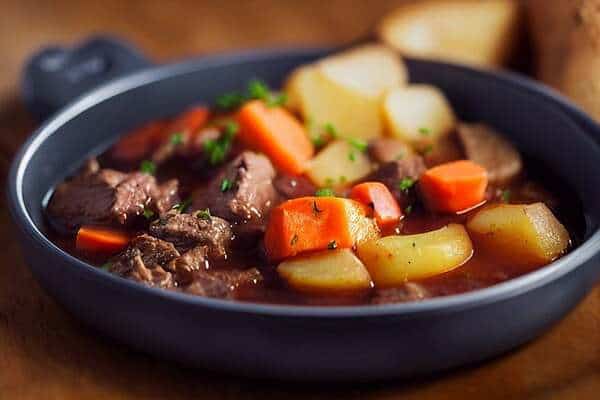
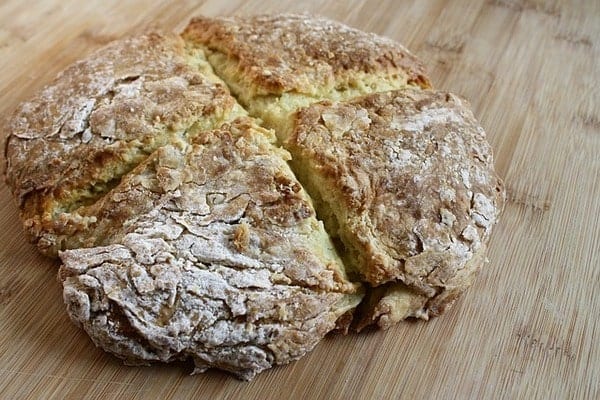
Feeling hungry? Take your group on a tasty adventure with Dublin’s Secret Food Tour. You’ll explore hidden gems off the beaten track, sampling classic Irish dishes like fresh hearty stews, and, of course, the famous Irish soda bread. Along the way, your guide will share the city’s culinary secrets, so you get to taste Dublin’s rich food culture while learning about its history. Trust us, it’s the most delicious way to see the city!
Ready to belt out your favourite tunes with your crew? A karaoke night in Dublin is the ultimate way to let loose and have a laugh. Head to Marrakesh Dublin, a great spot that combines karaoke fun with delicious cocktails and a buzzing atmosphere. Whether you’re a seasoned performer or just in it for the laughs, Marrakesh promises a great time for your group.
Or, for a more private vibe, check out Maneki Dublin. This stylish karaoke bar offers private booths, ideal for belting out tunes with just your mates. With its sleek design, excellent sound systems, and a menu packed with tasty drinks, it’s a guaranteed hit for your night out.
11. Take a Group Pub Quiz
Fancy putting your knowledge to the test? Dublin’s pub quiz scene is where it’s at for a mix of brain-teasing fun and a great night out with your crew. Head over to the lively Woolshed Pub, a favourite spot for quiz nights. With its sports-bar vibes, cosy atmosphere, and tasty pub grub, it’s the perfect place to compete for those all-important bragging rights.
Looking for a quirkier setting? Check out The Barbers Bar, where you can sip your pint surrounded by vintage barber chairs and quirky décor. This unique spot also hosts cracking quiz nights, blending a touch of whimsy with the thrill of competition. Form your team, grab a drink, and see if you’ve got what it takes to come out on top!
12. Take a Ghost Tour
Want to add a little spooky thrill to your Dublin trip? A ghost tour will take you through the city’s most haunted spots, sharing eerie stories of Dublin’s dark past. From tales of tragic figures to the restless spirits that still haunt the streets, these tours offer a spine-chilling way to see a different side of the city. Perfect for a group looking for something a bit different, it’s an adventure that’ll leave you looking over your shoulder long after the tour ends.
For a seriously fun (and probably hilarious) group activity, why not take a class in Irish dancing? Whether you’re giving a traditional Céilí a go or trying to master the fast-paced steps of a Riverdance-style routine, you’re guaranteed to have a blast. You might not leave as a pro, but you’ll definitely leave with some great memories and a whole lot of laughs as you try your hand at the famous footwork – and maybe make a fool of yourselves in the process!
14. Go to the Forty Foot
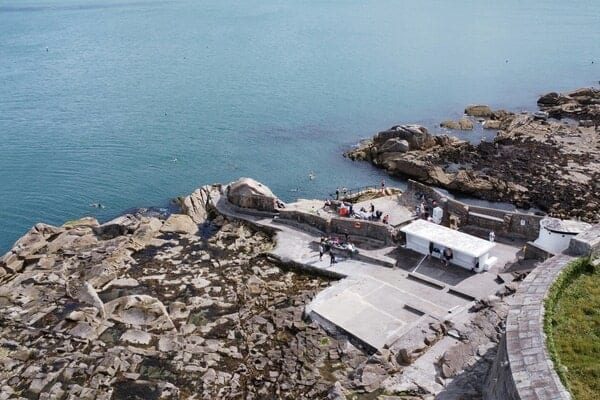
For the brave souls in your group, take a plunge at The Forty Foot – an iconic Dublin swimming spot where locals dive into the chilly Irish Sea, no matter the season. Whether you’re into swimming or just want to watch the fearless jumpers, it’s a classic Dublin experience that’s perfect for groups looking to try something a bit daring. Located in Sandycove, this spot is a favourite for both locals and visitors, so dive in and make some unforgettable memories (just be prepared for the cold!).
15. Explore Dublin’s Castles
Ready to live your best medieval life? Dublin has a mix of castles and historical spots that are perfect for groups looking to dive into the city’s rich past. First up, Drimnagh Castle, Dublin’s only fully intact castle with a moat. Yep, you heard that right – this hidden gem is straight out of a fairytale, with stunning grounds and a history dating back to the 12th century. It’s the perfect spot for a group day trip full of quirky photo ops and a glimpse into the city’s past.
Not into traditional castles? Check out Dublin Castle instead. This iconic landmark, located in the heart of the city, is packed with history. Once a seat of British power in Ireland, it’s now a popular part of Dublin’s cultural scene. Take a guided tour through the State Apartments, explore the beautiful gardens, and get a taste of Dublin’s political and royal past.
16. Immerse Yourself in the Guinness Storehouse
Step into the heart of St. James’s Gate Brewery and explore seven floors of interactive exhibits, culminating in a complimentary pint at the Gravity Bar with stunning views of the city skyline. From learning about the brewing process to diving into the brand’s iconic history, this is a group activity that delivers both entertainment and a taste of Ireland’s most famous stout.
17. Take a Bike Tour of Dublin
Join a guided bike tour and cruise around the city’s key landmarks, from Georgian squares to historic areas like Temple Bar. It’s a fun, active way to see Dublin’s top sights with your group, and you’ll even learn a bit about the city’s history along the way. Perfect for groups who want to get some exercise while discovering Dublin’s under-the-radar gems!
18. Take on an Escape Room Adventure
For a seriously fun (and possibly chaotic) group activity, why not try an escape room? Team up with your friends to solve puzzles, crack codes, and race against the clock to break free. Whether you’re unlocking hidden secrets or laughing at wild guesses, it’s guaranteed to be an unforgettable experience. You might not escape in record time, but you’ll definitely leave with some hilarious memories
With this list of group activities, you’re all set to dive into the appeal and energy of Dublin! From cultural hotspots to unique experiences, there’s no shortage of ways to make your trip one to remember. Gather your crew, explore the city, and create memories that will have you talking about your Dublin adventure for years to come!
Whether your group is into history, food, or unique adventures, Dublin has something to keep everyone entertained. We hope this article has inspired some great ideas for your trip and that your time in the city is packed with special moments. Travelling with a group? We’ve got you covered with group accommodation in Dublin. Book your stay at I Lár and let the adventure continue with us!
Domande frequenti
What are the best activities for groups in Dublin?
Dublin is packed with activities perfect for groups! You can step back in time with visits to Trinity College or Dublin Castle, test your wits at a lively pub quiz night, or embrace the city’s musical vibe with a karaoke night at Marrakesh or Maneki. If your group loves dancing, a fun Irish dancing lesson is a must. For something unique, a ghost tour through Dublin’s spookier spots is sure to make lasting memories.
What to do with a group in Dublin when it rains?
Rainy days in Dublin are perfect for exploring the city’s indoor attractions. Head to Kilmainham Gaol Museum or the National Gallery of Ireland for a cultural fix or to the Guinness Storehouse to learn everything about the famous stout. Get your group together for a cosy pub quiz or indulge in some fun with an Irish dancing class. If you’re looking to chill, spend time in one of Dublin’s welcoming pubs or cafés while soaking in the local atmosphere.
What to do with a group in Dublin on a sunny day?
Sunny days in Dublin are a treat! Take a bike tour around the city, explore the National Botanic Gardens, or head to The Forty Foot for a refreshing dip in the Irish Sea. Stroll through Phoenix Park or enjoy a cruise on the River Liffey. Outdoor adventures like these are great for soaking up the sun with your group.
What are the best activities for big groups in Dublin?
Big groups will find Dublin ideal for shared experiences that cater to their size. Book a private tour of Drimnagh Castle for an exclusive peek into medieval history or join a walking food tour, where large groups can sample Dublin’s culinary delights together. Enjoy a tailored ghost tour, perfect for accommodating bigger crowds. Clink’s group accommodations make organising these adventures a breeze.
Se immagini dormitori angusti e senza fronzoli, ripensaci! Gli ostelli si sono evoluti in spazi accoglienti dove persone di ogni estrazione sociale si riuniscono per condividere storie, risparmiare denaro ed esplorare il mondo. Gli ostelli soddisfano le esigenze di tutti, dai backpacker attenti al budget ai viaggiatori singoli e persino alle famiglie, ponendo l'accento sulla comunità, l'intrattenimento e l'accessibilità dei viaggi.
In questa guida risponderemo a tutte le tue domande più urgenti sugli ostelli, tra cui cosa sono, chi vi soggiorna e perché sono diventati così popolari tra i viaggiatori esperti. Che tu sia un principiante o un esploratore esperto, imparerai tutto ciò che c'è da sapere sulle strutture, le opzioni di alloggio e le incredibili esperienze offerte dagli ostelli.
Che cos'è un ostello?
Un ostello è più di un semplice posto dove dormire, è una casa lontano da casa, dove l'accessibilità economica incontra la comunità. Pensa a spazi condivisi come dormitori, salotti e cucine, dove le conversazioni scorrono facili come il caffè. Gli ostelli sono un paradiso per backpackers, studenti, viaggiatori solitari e chiunque cerchi l'avventura senza spendere una fortuna. Non si tratta solo di risparmiare denaro, ma anche di incontrare persone che la pensano come te, condividere storie e immergersi nello spirito del viaggio. Se stai cercando un modo sociale, divertente ed economico per esplorare il mondo, un ostello è il posto giusto.
I diversi tipi di ostelli
Gli ostelli oggi sono diversi quanto i viaggiatori che li frequentano. Che tu sia alla ricerca di un'atmosfera vivace, di una sistemazione eco-compatibile o di uno spazio elegante dove rilassarti, c'è un ostello per ogni tipo di viaggiatore. Ecco una breve guida ai tipi di ostelli più popolari e a ciò che rende ciascuno di essi unico:
Ostelli per backpacker
Questi sono il cuore e l'anima del mondo degli ostelli! Progettati pensando agli avventurieri attenti al budget, gli ostelli per backpacker puntano tutto sulla convenienza e sulla socialità. Aspettati camere in stile dormitorio, cucine in comune e vivaci aree comuni dove nascono amicizie grazie alla passione condivisa per i viaggi. Perfetti per chi viaggia da solo o per chiunque voglia risparmiare e incontrare persone con gli stessi interessi.
ClinkNOORD offre dormitori e camere private a prezzi accessibili, perfetti per i viaggiatori attenti al budget che desiderano esplorare Amsterdam e conoscere altri avventurieri con gli stessi interessi. Le vivaci aree comuni, come il bar e la caffetteria, creano uno spazio accogliente dove condividere le proprie esperienze di viaggio.
Il ClinkCoco di Amsterdam rientra perfettamente in questa categoria, offrendo dormitori economici, vivaci spazi comuni e una posizione privilegiata che facilita le esplorazioni. È progettato per favorire le relazioni sociali, con numerose opportunità di incontrare altri viaggiatori nella sua atmosfera vivace e socievole. Con il suo tocco moderno ed elegante, il ClinkCoco è perfetto per i backpackers che cercano un'esperienza conveniente ma di livello superiore.
Ostelli boutique
Pensa a spazi eleganti e degni di Instagram che uniscono convenienza e un tocco di lusso. Gli ostelli boutique spesso offrono design unici, camere private e servizi extra pensati con cura, come salotti accoglienti e guide locali curate. Sono l'ideale per chi desidera un po' più di comfort senza spendere una fortuna.
Ostelli ecologici
La sostenibilità incontra il comfort negli ostelli ecologici, dove l'attenzione è rivolta alla riduzione dell'impatto ambientale mentre si esplora il mondo. Dall'energia solare ai sistemi di compostaggio, fino ai materiali da costruzione ecologici, questi ostelli sono perfetti per i viaggiatori green che hanno a cuore il pianeta. Molti sono situati in splendidi contesti naturali e offrono un rifugio tranquillo che fa bene sia a te che all'ambiente.
Ostelli Capsule
Per i viaggiatori che apprezzano la privacy ma amano comunque l'atmosfera degli ostelli, i capsule hostel rappresentano una vera rivoluzione. Invece dei tradizionali dormitori, avrete a disposizione una comoda capsula dotata di tutto il necessario, come un letto confortevole, prese di ricarica e persino un piccolo ripiano per i vostri libri o il telefono. Questi ostelli moderni e minimalisti sono l'ideale per i viaggiatori solitari che cercano un equilibrio tra solitudine e socialità.
Al Clink261 di Londra troverai una soluzione di dormitorio a capsule, che offre il mix perfetto tra privacy e convenienza. È un'ottima scelta per i viaggiatori che desiderano godersi l'atmosfera socievole di un ostello pur avendo a disposizione uno spazio personale dove rilassarsi.
Ostello ibrido
Gli ostelli ibridi offrono il meglio di entrambi i mondi, combinando l'atmosfera socievole ed economica degli ostelli tradizionali con il comfort e la privacy degli hotel. Offrono una combinazione di dormitori condivisi e camere private, rendendoli perfetti per viaggiatori solitari, coppie, famiglie o anche viaggiatori d'affari. Con servizi aggiuntivi come ristoranti in loco, spazi di co-working e aree tranquille dove rilassarsi, gli ostelli ibridi soddisfano le esigenze di tutti senza compromettere l'accessibilità economica o la comunità.
ClinkMama è un ottimo esempio di questo concetto, poiché offre opzioni di alloggio versatili che soddisfano ogni tipo di viaggiatore. Che tu sia qui per socializzare o preferisca un po' più di spazio personale, ClinkMama ti permette di socializzare, rilassarti ed esplorare con facilità, il tutto con stile e comfort.
Clink i Lár offre una combinazione di camere private e dormitori e si rivolge a una varietà di ospiti, tra cui coppie e piccoli gruppi che desiderano l'atmosfera di un ostello ma con maggiore comfort e privacy.
Ostello o hotel: qual è la differenza?
È semplice: gli ostelli e gli hotel offrono atmosfere completamente diverse. Gli ostelli sono l'opzione economica e sociale, progettata per riunire le persone attraverso dormitori condivisi, spazi comuni vivaci e un senso di comunità che non troverai in un hotel. Negli ostelli Clink, ad esempio, l'atmosfera socievole è uno dei punti di forza. Pensa ai bar animati come lo ZincBar al ClinkNOORD di Amsterdam, alle attività di gruppo come i tour a piedi e le serate di musica dal vivo, e alle accoglienti sale lounge perfette per fare conversazione con gli altri viaggiatori.
Mentre gli hotel puntano su camere private e un'atmosfera più formale, gli ostelli sono incentrati sulla creazione di legami, che si tratti di scambiarsi storie durante la colazione o di trovare un nuovo compagno di viaggio per la tua prossima avventura. Gli hotel possono offrire lusso, ma gli ostelli come il nostro regalano esperienze uniche e ricordi indimenticabili a un prezzo molto più conveniente!
Chi soggiorna in un ostello?
Gli ostelli sono per tutti. Certo, siamo molto popolari tra i giovani backpackers, ma qui troverai persone di ogni tipo. Chi viaggia da solo ama l'atmosfera amichevole e la possibilità di conoscere nuovi amici, mentre i gruppi apprezzano il risparmio e le esperienze condivise. Famiglie attente al budget, avventurieri esperti, nomadi digitali, chi più ne ha più ne metta, sono tutti qui. Gli ostelli sono incentrati sulla comunità, quindi se cerchi un posto sociale, economico e unico dove soggiornare, ti troverai perfettamente a tuo agio.
Quali tipi di camere sono disponibili in un ostello?
Gli ostelli soddisfano le esigenze di tutti i tipi di viaggiatori con una varietà di opzioni di alloggio per soddisfare diverse preferenze e budget. Ecco cosa troverai in genere:
Camere da letto
I dormitori condivisi sono l'opzione più comune ed economica. Possono variare da piccoli dormitori con 4-6 letti a dormitori più grandi con 10 o più letti. Alcuni ostelli offrono dormitori misti, mentre altri, come noi al Clink, offrono opzioni per soli uomini o sole donne.
Camere private
Per chi preferisce una maggiore privacy, molti ostelli come il nostro offrono camere private. Queste possono ospitare viaggiatori singoli, coppie o piccoli gruppi e spesso sono dotate di bagno in comune o privato.
Camere familiari
Viaggi con la famiglia? Alcuni ostelli offrono camere familiari, spazi privati progettati per ospitare comodamente genitori e figli.
Dormitori a capsula o in stile pod
Negli ostelli come il Clink261 potresti trovare letti a capsula. Questi offrono un po' più di privacy all'interno di un dormitorio condiviso, spesso con tende, luci individuali e prese di corrente.
Quali servizi sono disponibili in un ostello?
Gli ostelli offrono una serie di servizi per rendere il tuo soggiorno confortevole ed economico. Sebbene i servizi varino da un posto all'altro, ecco cosa puoi aspettarti in genere:
Dormitori e camere private Dai dormitori condivisi per i viaggiatori socievoli alle camere private per chi desidera un po' più di privacy, di solito c'è un'opzione adatta alle tue preferenze e al tuo budget.
Bagni in comune La maggior parte degli ostelli dispone di bagni in comune, spesso separati per sesso. Alcuni potrebbero offrire opzioni con bagno privato per le camere private.
Cucine comuni Risparmia cucinando i tuoi pasti! La maggior parte degli ostelli dispone di una cucina comune attrezzata con elettrodomestici e utensili di base, che consentono di preparare facilmente pasti economici durante il soggiorno. Tuttavia, non tutti gli ostelli dispongono di cucine comuni, ma compensano questa mancanza con numerose opzioni gastronomiche convenienti nelle vicinanze. Ciò garantisce agli ospiti la possibilità di gustare pasti deliziosi e convenienti senza dover cucinare da soli.
Sala comune o aree comuni Ideali per rilassarsi, incontrare altri viaggiatori o partecipare agli eventi dell'ostello, gli spazi comuni sono il cuore dell'esperienza in ostello.
Servizi lavanderia Hai bisogno di rinfrescare i tuoi vestiti? Molti ostelli dispongono di lavatrici e asciugatrici a gettoni.
Wi-Fi gratuito Rimani connesso mentre viaggi. Il Wi-Fi gratuito è un vantaggio comune, ma la qualità può variare a seconda dell'ostello.
Armadietti o deposito Metti al sicuro i tuoi effetti personali negli armadietti o nelle aree di deposito sicure. Assicurati di portare il tuo lucchetto!
Eventi organizzati Dai pub crawl ai tour a piedi, molti ostelli organizzano eventi che ti aiutano a esplorare la zona e a fare nuove amicizie.
Reception aperta 24 ore su 24 Alcuni ostelli offrono una reception aperta 24 oresu 24 per gli arrivi tardivi o i check-out anticipati, assicurandoti la massima copertura indipendentemente dai tuoi orari.
Caffè o bar in loco Molti ostelli, come alcuni dei nostri, dispongono di caffè o bar propri, che offrono cibi e bevande convenienti e spesso a prezzi accessibili.
Extra come noleggio asciugamani o biciclette Hai dimenticato l'asciugamano? Hai bisogno di una bicicletta per esplorare la città? Gli ostelli spesso offrono articoli o servizi aggiuntivi a noleggio. Basta chiedere alla reception.
Vantaggi di soggiornare in un ostello
Accessibilità economica
Gli ostelli sono molto più economici degli hotel, il che li rende ideali per i viaggiatori attenti al budget. I dormitori condivisi riducono i costi consentendo agli ospiti di condividere gli spazi.
Posizione
Gli ostelli sono spesso situati in zone privilegiate, vicino ai centri cittadini, ai mezzi di trasporto pubblico o alle attrazioni turistiche più famose. Tutti i nostri ostelli lo sono.
Wi-Fi
La maggior parte degli ostelli, come il nostro, offre la connessione Wi-Fi gratuita, garantendo agli ospiti la possibilità di rimanere connessi senza costi aggiuntivi.
Colazione
Molti ostelli offrono una colazione a buffet con qualcosa per tutti i gusti. Le opzioni possono variare da semplici alimenti di base come pane, formaggio e prosciutto a scelte più sostanziose come una colazione inglese o irlandese completa con fagioli al forno e salsicce. Spesso troverai cereali, frutta fresca e yogurt per iniziare la giornata in modo più leggero. Bevande come caffè, tè e succo d'arancia sono solitamente incluse, aiutandoti a fare il pieno di energia per le tue avventure senza spendere una fortuna.
Eventi dell'ostello
Gli ostelli organizzano spesso eventi come tour dei pub, escursioni a piedi o cene comuni, offrendo numerose opportunità per socializzare con gli altri ospiti.
Strutture condivise
Dalle cucine alle lavanderie e alle accoglienti sale comuni, gli spazi condivisi negli ostelli rendono la vita più facile e avvicinano le persone. Risparmia denaro, scambia storie e goditi l'atmosfera della comunità!
Ideale per gruppi
Molti ostelli offrono grandi dormitori perfetti per prenotazioni di gruppo, rendendo più facile viaggiare insieme e condividere le spese.
I nostri ostelli di Amsterdam e Dublino sono particolarmente adatti ai gruppi e offrono una vasta gamma di sistemazioni per garantire a tutti un soggiorno confortevole e connesso. Visita la nostra pagina Sistemazioni per gruppi per saperne di più sulle opzioni personalizzate, sulle tariffe di gruppo e su come possiamo rendere indimenticabile il tuo viaggio di gruppo!
Personalità
Dagli interni boutique ai temi stravaganti, gli ostelli riflettono spesso la personalità della loro destinazione, offrendo un'esperienza più memorabile rispetto agli hotel delle catene.
Svantaggi di soggiornare in un ostello
Privacy limitata
La vita in dormitorio implica naturalmente la condivisione degli spazi, il che è perfetto per socializzare con gli altri viaggiatori. Se preferisci un po' più di privacy, sono spesso disponibili camere private in grado di soddisfare le tue esigenze.
I suoni della vita in ostello
Gli ostelli sono pieni di attività, dalle chiacchierate notturne ai mattinieri che iniziano le loro avventure. Con un paio di tappi per le orecchie affidabili, potrai riposare tranquillamente.
Cose essenziali da portare con sé
A differenza degli hotel, gli ostelli puntano sull'economicità, quindi gli ospiti di solito portano con sé asciugamani, lucchetti e articoli da bagno. Ma non preoccuparti se dimentichi qualcosa o preferisci viaggiare leggero: la maggior parte degli ostelli offre questi articoli essenziali in loco a un piccolo costo aggiuntivo.
Quanto costa soggiornare in un ostello?
Il costo del soggiorno in un ostello varia a seconda della posizione, della stagione e del tipo di camera scelta. I letti in dormitorio sono in genere l'opzione più economica, mentre le camere private offrono un maggiore comfort a un prezzo leggermente più alto. Nelle città più grandi o durante l'alta stagione turistica, i prezzi possono essere più alti, ma gli ostelli rimangono una scelta molto più conveniente rispetto agli hotel. Ovunque tu vada, puoi contare sugli ostelli per un ottimo rapporto qualità-prezzo senza rinunciare alla convivialità e all'esperienza.
È sicuro soggiornare in un ostello?
Gli ostelli sono generalmente sicuri, ma è sempre bene prendere alcune precauzioni. La maggior parte degli ostelli offre armadietti sicuri per i tuoi oggetti di valore e di solito il personale è presente 24 ore su 24, 7 giorni su 7, per garantire il corretto funzionamento della struttura. Un po' di attenzione in più, come chiudere a chiave la borsa e non lasciare oggetti incustoditi, è fondamentale per garantire un soggiorno senza preoccupazioni.
8 consigli per soggiornare in un ostello
Incontra altri viaggiatori
Gli ostelli sono il luogo ideale per incontrare nuove persone. Non essere timido: trascorri del tempo negli spazi comuni, partecipa alle attività organizzate e crea dei ricordi indimenticabili insieme agli altri viaggiatori.
Controlla il calendario degli eventi dell'ostello
Molti ostelli organizzano eventi come tour dei pub, visite guidate della città o corsi di cucina. Queste attività sono ottime opportunità per incontrare persone e esplorare la zona senza spendere troppo. Controlla sempre la bacheca degli eventi o chiedi al personale cosa c'è in programma durante il tuo soggiorno!
Sii consapevole degli altri
Gli ostelli sono spazi condivisi, quindi sii rispettoso nei confronti degli altri viaggiatori. Riduci al minimo il rumore, soprattutto a tarda notte o al mattino presto, e riordina dopo aver utilizzato le aree comuni. Un po' di cortesia contribuisce notevolmente a creare un'esperienza piacevole per tutti.
Controlla cosa è incluso
Controlla cosa offre l'ostello: asciugamani, armadietti, colazione? Sapere cosa è incluso ti permette di preparare i bagagli in modo più intelligente e non dimenticare nulla.
Porta con te tappi per le orecchie e una mascherina per gli occhi
Gli ostelli possono essere rumorosi e le luci potrebbero rimanere accese fino a tardi. Tappi per le orecchie e mascherina per gli occhi sono indispensabili per dormire bene la notte.
Metti in valigia anche le infradito
Bagni in comune? Le infradito sono indispensabili! Mantengono i piedi asciutti e tengono lontani i germi.
Non lasciare oggetti di valore incustoditi
Anche negli ostelli più sicuri, è consigliabile tenere gli oggetti di valore sotto chiave o con sé. Utilizza gli armadietti dell'ostello o una borsa sicura per proteggere i tuoi effetti personali.
Abbraccia l'esperienza
Sii aperto a conoscere nuove persone, provare cose nuove e uscire dalla tua zona di comfort. Che si tratti di partecipare a una cena comune, scambiare storie con altri viaggiatori o scoprire gemme nascoste attraverso gli eventi dell'ostello, abbracciare l'atmosfera dell'ostello può portare ad alcuni dei tuoi momenti di viaggio più memorabili.
I nostri ostelli
Saremo lieti di darvi il benvenuto nei nostri ostelli! Che cerchiate un rifugio accogliente o un vivace centro sociale, abbiamo il posto perfetto per la vostra prossima avventura.
Amsterdam
Scopri il fascino di Amsterdam soggiornando in uno dei nostri accoglienti ostelli:
Gli ostelli sono molto più di un semplice posto dove dormire: sono una porta d'accesso a nuove avventure, incontri ed esperienze che gli hotel non possono offrire. Che tu voglia risparmiare, conoscere persone incredibili o immergerti nella cultura di una città, gli ostelli ti offrono tutto questo. Certo, ci sono alcune peculiarità da accettare, ma fa tutto parte dell'esperienza! Con un po' di preparazione e una mente aperta, il tuo soggiorno in ostello potrebbe diventare il momento clou del tuo viaggio. Quindi, prepara la valigia, prendi le infradito e preparati a vivere il viaggio alla maniera di Clink: sociale, divertente e indimenticabile!
Domande frequenti
Cos'è un ostello? Un ostello non deve essere necessariamente una sistemazione economica, ma può essere un luogo dove convenienza e avventura si incontrano! Pensa a dormitori condivisi, spazi comuni colorati e alla possibilità di entrare in contatto con viaggiatori provenienti da ogni angolo del mondo. Noi di Clink Hostels facciamo un passo in più con eventi unici, spazi sociali vivaci e posizioni privilegiate che rendono l'esplorazione facile e divertente.
Perché gli ostelli sono così economici? Gli ostelli puntano a creare un'atmosfera sociale accogliente mantenendo bassi i costi grazie all'offerta di spazi condivisi come dormitori e aree comuni. Questo non solo li rende più economici, ma migliora anche l'esperienza degli ospiti favorendo la socializzazione. Invece di spendere in fronzoli inutili, gli ostelli investono in ciò che conta davvero: favorire le relazioni, offrire esperienze uniche e garantire agli ospiti un soggiorno confortevole e memorabile. È una soluzione vantaggiosa per tutti!
Qual è la differenza tra un ostello e un hotel?
Gli ostelli sono la versione più informale e rilassata degli hotel. Mentre gli hotel puntano su camere private e un'atmosfera formale, gli ostelli offrono dormitori, spazi comuni e un'atmosfera accogliente e socievole. Gli ostelli puntano sull'esperienza, le relazioni e il divertimento a prezzi accessibili, mentre gli hotel privilegiano il lusso e la privacy.
Chiunque può soggiornare in un ostello? Sì, gli ostelli sono per tutti: viaggiatori solitari, gruppi, famiglie e persino nomadi digitali. Al Clink accogliamo avventurieri di ogni tipo. Che tu abbia 18 o 80 anni, se ami esplorare e stringere nuove amicizie, ti sentirai come a casa.
C'è un coprifuoco negli ostelli? Buone notizie: la maggior parte degli ostelli, compreso Clink, non ha coprifuoco. Sei libero di esplorare, fare festa e goderti le tue serate senza preoccuparti di rimanere chiuso fuori. Assicurati solo di rispettare le ore di silenzio per gli altri viaggiatori.
È possibile lasciare i propri effetti personali in un ostello? Sì, e ci pensiamo noi! Gli ostelli Clink offrono armadietti e spazi di deposito sicuri per custodire i tuoi effetti personali. Basta portare un lucchetto per stare più tranquilli e godersi la giornata sapendo che le proprie cose sono al sicuro.
Cerchi modi divertenti ed economici per diffondere l'allegria natalizia durante il tuo soggiorno all'ostello Clink? Che tu viaggi da solo, condivida la stanza con gli amici o faccia nuove amicizie nella lounge, questa lista di 80 idee per Natale ha tutto ciò che desideri, dalle calde tazze di cioccolata calda alle passeggiate nei mercatini, dagli scambi di regali segreti alle serate cinema. Quindi indossa il tuo maglione natalizio preferito, raduna i tuoi amici e rendiamo questo Natale indimenticabile!
Idee per la lista dei desideri di Natale
Prepara biscotti natalizi con gli amici.
Andate a pattinare sul ghiaccio in una pista vicina. Per pattinare in un'atmosfera festosa, Museumplein ad Amsterdam offre una pista panoramica di fronte al Rijksmuseum con un fascino stagionale. A Londra, Somerset House e Battersea Power Station offrono scenari iconici e un'atmosfera vivace. A Dublino, provate Dundrum on Ice per un'esperienza invernale classica.
Organizza una caccia al tesoro fotografica a tema natalizio in città, cercando oggetti come cappellini di Babbo Natale o presepi.
Impara a dire Buon Natale in cinque lingue diverse e insegnalo ai tuoi nuovi amici.
Realizza e scambia decorazioni fatte in casa.
Organizza una serata cinema natalizia (Elf, Love Actually, Home Alone…).
Incartare i regali per i propri cari o da donare a un punto di raccolta di beneficenza.
Fai una passeggiata serale o partecipa a un tour gratuito a piedi per ammirare le luci festive.
Ritrova un vecchio amico davanti a un drink festivo.
Offri qualche ora del tuo tempo come volontario presso un ente di beneficenza locale o una mensa per i poveri.
Indossa il tuo maglione natalizio più bello o un pigiama coordinato per la festa di Natale.
Inizia una nuova tradizione festiva, come una cena a tema o il Secret Santa.
Scrivi e scambia i buoni propositi per l'anno nuovo con un amico.
Assaggia i dolci tipici delle feste, come le caldarroste, i bastoncini di zucchero o i mince pie.
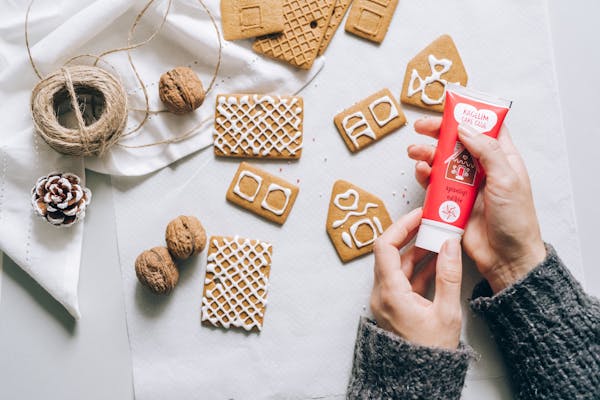
Costruisci una casetta di pan di zenzero con i tuoi amici.
Appendi le calze di Natale per decorare la tua casa.
Gioca al bingo natalizio durante la tua serata cinema.
Partecipate a uno spettacolo festivo della comunità a basso costo. Ad Amsterdam, teatri locali come il Badhuistheater o luoghi intimi come il De Kleine Komedie ospitano spesso spettacoli stagionali, letture o eventi di narrazione con prezzi dei biglietti modesti. A Londra, prendete in considerazione la possibilità di partecipare a servizi di canti natalizi o concerti a lume di candela in luoghi come St Martin-in-the-Fields, Westminster Abbey o St Paul's. Molti sono gestiti dalla comunità e hanno un costo contenuto o funzionano con donazioni. A Dublino, tenete d'occhio i cori comunitari come la Culwick Choral Society o i concerti di canti natalizi a lume di candela nelle chiese e nei centri culturali. Questi eventi offrono in genere esperienze musicali festive a prezzi accessibili.
Organizza una gara festiva di decorazione dei biscotti.
Prepara dei cracker natalizi fatti in casa.
Crea un calendario dell'Avvento fai da te con materiali riciclati.
Learn to make traditional mulled wine or mulled cider.
Host a wreath‑making session using foraged greenery.
Visit a winter pop‑up art installation or illuminated garden.
Attend a pantomime performance at a local theatre.
Craft personalised gift tags using paper scraps.
Host a festive quiz night with seasonal questions and prizes.
Create your own Christmas‑themed cocktails or mocktails.
Build a snow fort or ice sculpture if you have access to snow.
Take a Christmas baking masterclass focused on yule log, stollen or panettone.
Make table centrepieces from natural materials like pinecones and holly.
Watch a live‑streamed Christmas concert or choir performance.
Read a Christmas classic aloud with friends, such as Dickens’s A Christmas Carol.
Write thank‑you notes to people who have made your year special.
Decorate a small houseplant or palm as a festive mini Christmas tree.
Make paper snowflakes to gift as small decorations.
Craft simple paper crowns or hats to wear at Christmas dinner.
Make homemade jams, chutneys or preserves to give as gifts.
Write a Christmas‑themed poem or short story and share it at a gathering.
Watch the Christmas Day parade on television or online.
Set up a book exchange with winter or festive‑themed titles.
Learn a traditional Christmas dance or devise your own festive routine.
Attend a light sculpture trail, projection mapping show or lantern festival.
Make Christmas‑scented bath salts or candles for gift giving.
Host an open mic night featuring festive songs, poetry or stand‑up.
Stitch easy Christmas ornaments from felt or fabric scraps.
Create a Christmas‑themed crossword or word search and challenge friends.
Learn to play a classic Christmas tune on an instrument of your choice.
Visit a historical church or building to admire its festive decorations.
Create a memory jar for guests to write down and share favourite moments.
Set up a festive photo booth with homemade props for group pictures.
Make mince pies from scratch.
Dress in festive colours for the whole of Christmas week.
Attend a local open mic night sharing Christmas legends and ghost stories.
Visit the museum’s Christmas exhibition during its free festive evening opening.
Volunteer to help decorate a community hall or school for the Christmas celebrations.
Start a reverse advent challenge by anonymously leaving a small festive treat for someone each day.
Organise a surprise carol performance on a bus or train.
Host a budget friendly tasting of Christmas ales or winter stouts in the lounge. Amsterdam, London, and Dublin are great cities for discovering new beers, each with a vibrant brewing scene. Amsterdam offers inventive brews from spots like Brouwerij ’t IJ, London is packed with craft favourites like Beavertown, and Dublin goes beyond Guinness with rising stars like Whiplash and Rascals.
Create a Christmas countdown calendar with a mini task for each day.
Make a paper chain for the twelve days of Christmas, adding a link daily with something you’re grateful for.
Lead a daily “12 Days of Christmas” carol or festive fact share at breakfast.
Craft a hanging Christmas mobile using twigs, ribbon and small decorations.
Hold a wrapped Christmas book swap where everyone chooses a mystery festive story.
Build a miniature Christmas snow globe in a jar with water, glitter and small figurines.
Curate a playlist of local buskers performing Christmas carols and share it with everyone.
Learn to fold napkins into Christmas trees and star shapes for a festive dinner setup.
Host a Christmas storytelling circle where each person adds a line to a growing festive tale.
Hold a listening party for Christmas themed podcasts or festive audio dramas
Decorate paper lanterns for a Christmas lantern display.
Bake and ice a festive cake mosaic using coloured royal icing.
Set up a hot chocolate bar with unusual festive spices and syrups to taste test.
Start doing a festive fact of the day on a whiteboard with Christmas trivia.
Host a flash fiction challenge for 100 word Christmas tales.
Design and solve a Christmas themed crossword puzzle.
Learn to ice Christmas biscuits with classic royal icing piping techniques.
Bake edible place cards, cookie name tags for each guest’s Christmas dinner setting.
Film a collaborative Christmas rap or parody song.
Take part in a festive Postcrossing exchange by sending festive postcards to strangers around the world.
Per riassumere
There you have it, a merry collection of festive, budget‑friendly Christmas bucket list ideas designed to bring travellers together. Whether you decide to cosy up with hot chocolate and sing Christmas carols, swap handmade decorations or explore bustling markets, the point is to embrace the festivities. So try something new from this list of Christmas bucket list ideas and create memories that last long after the Christmas tree has been taken down.
Let Us Help You Make Christmas Memories
Stay with Clink Hostels in Amsterdam, Dublin or London and turn your Christmas bucket list into reality. From communal movie nights to Secret Santa swaps, you’ll find the perfect spot to celebrate, connect and unwind after a day of festive fun. Book your stay today and start making Christmas memories you will treasure for years to come.
Dublin is renowned for its lively New Year’s Eve celebrations, offering a perfect mix of traditional charm and unforgettable festivities. From dazzling fireworks to energetic street parties and cosy pub gatherings, the city knows how to ring in the New Year in style.
If you’re seeking budget-friendly fun, this guide will help you make the most of New Year’s Eve in Dublin without breaking the bank.
Why Spend New Year’s Eve in Dublin?
Dublin is an amazing place to spend New Year’s Eve. The city offers a perfect mix of lively celebrations, traditional Irish charm, and a vibrant nightlife that makes ringing in the New Year unforgettable!
Dublin’s compact size means you can explore plenty of events, from concerts to parties, without the hassle of long commutes. Plus, the friendly atmosphere and love for a good time make it easy to meet new people and celebrate together. Whether you’re into live music, late-night parties, or soaking up the festive energy, Dublin is an ideal spot for New Year’s Eve.
Ring in 2025 with the Countdown Concert at Dublin Castle, headlined by Cork singer-songwriter Cian Ducrot as part of the New Year’s Festival Dublin. This special event will feature performances from Ducrot, following his incredible year of success, alongside talented guests like Aby Coulibaly, Kabin Crew, and Saibh Skelly. Tickets are priced at €49.90, and the concert promises an unforgettable night of live music and celebration in the heart of Dublin. Don’t miss this chance to experience Ireland’s biggest New Year’s celebration!
Where to Watch the NYF Dublin 2024 Fireworks
If you’re looking to catch the fireworks during New Year’s Eve in Dublin, you’ll have two stunning displays to choose from as part of the NYF Dublin Fireworks Spectacular. The fireworks will take place at Howth Harbour and Dun Laoghaire Harbour, lighting up the sky at 8pm. Both are family-friendly and free to attend, offering fantastic viewing points from Howth Pier Park and along Harbour Road, as well as from Sandycove to Dún Laoghaire Town.
Affordable NYE Parties in Dublin
For an affordable and lively New Year’s Eve in Dublin, check out these great parties:
Whelan’s: Known for its live music, Whelan’s is hosting a New Year’s Eve bash, all for just €10. A great spot if you’re looking for a relaxed, music-filled night. Book now
Rascals Brewing Company: Enjoy craft beers, live music, and a lively atmosphere at Rascals Brewing Company’s New Year’s Eve party for just €15.10. A perfect way to ring in the new year with great drinks and friends. Book now
Fitzsimons: Overlooking the famous Temple Bar, Fitzsimons is hosting a NYE party with live music, DJs, and rooftop views of Dublin. Tickets start at just €38.52, making it a great value for a central Dublin celebration. Book now
Where to Eat and Drink on a Budget During Dublin NYE
Enjoying the Dublin New Year doesn’t have to be expensive. Here are some budget-friendly spots for food and drink:
Pubs with Affordable Eats: For reasonably priced traditional Irish fare, visit The Brazen Head or The Norseman. Both offer hearty meals like Irish stew and fish and chips, providing a cosy environment to enjoy a bite before heading out for the night.
Casual Dining Options: If you’re looking for a more relaxed dining experience, try Boojum for delicious burritos or Dublin Pizza Company for affordable, tasty pizzas. Both are popular with locals and offer excellent value for money, especially on Dublin New Year’s Eve.
Affordable Drinks: If you’re looking for affordable spots to grab a drink this New Year’s Eve in Dublin, make sure to visit The Hairy Lemon for its lively atmosphere, or The Celt for some great live music..
Transport Tips for New Year’s Eve in Dublin
Thanks to its well-organised transport system, getting around Dublin on New Year’s Eve is easy. Here are the best options:
Public Transport: Dublin Bus extends its services on New Year’s Eve to accommodate late-night travellers. The LUAS (light rail) also operates late, providing quick access to key areas across the city. Be sure to check the schedules for special routes. If you’re heading to the Howth Harbour or Dun Laoghaire Harbour fireworks displays, The DART train service will take you directly to both locations, with regular trains running to Howth and Dun Laoghaire. Check schedules for more information.
Taxis: Taxis are widely available throughout Dublin, but booking in advance is advisable as demand surges during Dublin New Year celebrations.
Walking: Dublin is a compact city, and many Dublin New Year’s Eve events are within walking distance. Take advantage of this by strolling through the city’s historic streets, soaking in the festive lights and holiday decorations.
Weather in Dublin on New Year’s Eve
Dublin’s weather at the end of December is chilly and often damp, so be prepared! Temperatures typically range between 3°C and 8°C (37°F-46°F), and rain is not uncommon. Wearing layers is key: think warm jackets, waterproof shoes, and scarves or hats to keep cosy as you celebrate outside. The cold weather won’t stop the party, but you’ll enjoy yourself a lot more if you dress for the occasion.
Are There New Year’s Traditions in Dublin?
New Year’s traditions in Dublin are unique, reflecting the city’s rich culture. Here are a few you might notice:
Countdown Concert: Many locals and visitors gather for a countdown concert in the heart of the city, featuring live music and entertainment leading up to the New Year.
First Footing: It’s customary for the first person to enter a home after midnight to bring good luck, often referred to as “first footing.” This person typically carries symbolic gifts like coal or bread.
Per riassumere
Dublin is a fantastic destination to ring in the New Year, known for its unforgettable festivities and lively pubs. Whether you’re planning to dance the night away or join a lively pub crawl without breaking the bank, the city offers a little something for everyone. To enhance your NYE experience, consider booking a stay at Clink i Lár, which puts you right in the heart of the celebrations. And if you’re looking for group accommodation in Dublin to celebrate with family and friends, we’ve got you covered too!
Domande frequenti
Is it expensive to spend NYE in Dublin?
Spending New Year’s Eve in Dublin can vary in cost depending on how you plan to celebrate. While some events and restaurants can be pricey, there are plenty of affordable festivities (see our list above). For budget-friendly accommodation, you can stay at our friendly hostel Clink i Lár, located right in the heart of Dublin.
What should I wear for New Year’s Eve in Dublin?
Dublin in December can be cold and damp, so dress in layers. Make sure to bring a warm coat, comfortable shoes, and perhaps a festive accessory like a party hat or sparkly scarf to join in the New Year spirit.
Is public transport free on New Year’s Eve in Dublin?
No, public transport is not free on New Year’s Eve in Dublin, but services do run later than usual. It’s advisable to check the Dublin Bus and LUAS websites for the exact timetable.
Can I bring my own alcohol to public New Year’s Eve events in Dublin?
No, bringing your own alcohol to public events is generally not permitted. However, most venues will have bars where you can purchase drinks.
Hey there, park lovers, get ready to explore the 13 best parks in Dublin! From sprawling green spaces to charming urban oases, Dublin’s parks have something for everyone. If you’re into picnics, leisurely strolls, or just soaking up some sunshine, you’re in for a treat. So grab your walking shoes and your sense of adventure, because we’re about to embark on a journey through Dublin’s most famous parks!
The 13 Parks in Dublin You Need to Visit
Let’s dive into the list of the 13 flagship parks that make Dublin so enjoyable when the weather is nice. Follow us!
1. Phoenix Park
Phoenix Park is one of the largest city parks in Europe, and there’s so much to see and do here. You can rent bikes and cycle around the winding paths, keeping an eye out for the resident deer that roam freely. Don’t miss the President’s official residence, Áras an Uachtaráin, Dublin Zoo, or explore the beautiful Victorian gardens. There’s something for everyone to enjoy in Phoenix Park, making it a must-visit park in Dublin.
The National Botanic Gardens in Glasnevin are a magical wonderland full of colourful blooms. Everywhere you look, there are flowers in every shade imaginable, and the air is filled with the buzzing of bees and the chirping of birds. Take a leisurely stroll through the peaceful pathways, and don’t forget to check out the stunning glasshouses, where you can see exotic plants from all over the world. It’s a botanical paradise!
3. St Anne’s Park
Get ready for adventure at St Anne’s Park! Spanning about 240 acres and crossed by the small Naniken River, this sprawling green space offers many activities. Wander along tree-lined avenues, enjoy wide-open lawns for frisbee, and discover hidden treasures like the charming rose garden or picturesque duck pond. Don’t miss Dublin’s city arboretum, the Millennium Arboretum, boasting 1,000 varieties of trees nestled within the park!
4. Irish National War Memorial Park
The Irish National War Memorial Park is a poignant reminder of Ireland’s military past, with beautifully landscaped gardens and memorials honouring the 49,400 Irish soldiers who gave their lives during the First World War. Take a moment to reflect amidst the serene surroundings, or wander through the park. It’s a place of remembrance where the sacrifices of the past are never forgotten.
5. St. Stephen’s Green
St Stephen’s Green is a calm oasis nestled in the heart of Dublin. Trees provide welcome shade as you wander through this peaceful park. Don’t miss the iconic Fusiliers’ Arch at the park’s entrance, one of Dublin’s landmarks. Whether you’re feeding the ducks, reading on a bench, or enjoying a leisurely stroll, St Stephen’s Green is the ideal spot for a relaxing afternoon in the city.
6. Formal Garden, Royal Hospital, Kilmainham
Step back in time at the Formal Garden of the Royal Hospital! This meticulously manicured garden is like something out of a fairy tale, with its perfectly trimmed hedges and colourful flower beds. It’s the ideal spot for a romantic stroll or a quiet moment of contemplation amidst the historic surroundings. Plus, don’t forget to visit the nearby Irish Museum of Modern Art (IMMA) for a dose of contemporary culture!
7. Herbert Park
Herbert Park is such a gem! It’s a lovely green space tucked away in Ballsbridge (south Dublin), perfect for a peaceful escape from the city life. The park is beautifully landscaped, with mature trees and a picturesque pond where you can watch the swans glide gracefully across the water. There are benches scattered around, making it a great place to sit and read a book or just enjoy the sunshine.
8. Iveagh Gardens
Prepare to be enchanted at Iveagh Gardens! Tucked away in the heart of the city, this hidden gem is a peaceful retreat from the urban hustle and bustle. The gardens are like a secret garden straight out of a fairy tale, with lush greenery and charming nooks just waiting to be discovered. Sit by the waterfall and listen to the soothing sound of water, or wander through the maze of hedges and see if you can find your way out.
9. Merrion Square
Merrion Square is full of history. It’s surrounded by elegant Georgian townhouses and is home to some interesting statues and monuments, including a famous one of Oscar Wilde lounging on a rock. The park itself is a peaceful retreat, with neatly manicured lawns, colourful flower displays, and plenty of space to relax and unwind. Keep an eye out for the lunchtime crowds enjoying a break from work, or the artists set up with their easels capturing the beauty of the surroundings.
North Bull Island is a nature lover’s paradise! Just a stone’s throw from the city centre, this UNESCO biosphere reserve boasts sandy beaches and a rich diversity of wildlife. Take a leisurely stroll along the shoreline, spot some seabirds, or simply soak up the stunning views of Dublin Bay. It’s the perfect spot to feel like you’re on holiday!
11. Garden of Remembrance (Parnell Square)
The Garden of Remembrance is a place of quiet reflection. Tucked away in the heart of Dublin, this memorial park honours those who fought for Irish independence. As you walk through the peaceful garden and discover the sunken cruciform water-feature and the statue of the Children of Lir, you can’t help but feel a sense of reverence for the sacrifices made by generations past.
12. St. Patrick’s Park
St. Patrick’s Park is a hidden gem nestled in the heart of Dublin’s city centre, next to St Patrick’s Cathedral. With its lush green lawns, charming flower beds, and peaceful pathways, it’s the perfect urban oasis. Take a seat on one of the park benches and watch the world go by.
Father Collins Park is Ireland’s first wind-powered and sustainable public park. How cool is that? Situated in Donaghmede, this modern park is perfect for a day out. Its soccer pitches and skate park offer entertainment for sports enthusiasts, and the park’s eco-friendly design and lush greenery make it a fantastic spot for a leisurely stroll, or a peaceful picnic with family and friends.
Domande frequenti
How many parks are there in Dublin?
Dublin has 13 big, famous parks, and there are 287 smaller ones too, all managed by the city council.
What is the most famous park in Dublin?
Phoenix Park is Dublin’s most famous park, and for good reason. It’s massive and has a lot to offer. You can explore the greenery, see some deer, visit the President’s house at Áras an Uachtaráin, and admire the lovely Victorian gardens among others.
What is the largest park in Dublin?
The largest park in Dublin is Phoenix Park (707 hectares), followed by St Anne’s Park (about 97 hectares).
Are there events held in Dublin’s parks throughout the year?
Yes, events are regularly held in Dublin’s parks throughout the year. These events range from concerts like outdoor summer concerts in Phoenix Park and festivals to markets such as food and craft markets held in St. Anne’s Park or Merrion Square, and community gatherings like St. Patrick’s Day events.
Are there Dublin parks that are not flagship parks worth visiting?
While the flagship parks steal the spotlight, Dublin has plenty of other parks that are totally worth checking out like Marlay Park or Bushy Park. They may not be as famous, but they’ve got their own charm and are perfect for a relaxing day out or a leisurely stroll. So don’t hesitate to explore beyond the big names and discover some hidden gems!
Per riassumere
So, what are you waiting for? Come on down, soak up the fun, and make some memories in the heart of Dublin’s best parks. And hey, while you’re here, why not make the most of your trip and stay at our hostel in Dublin, Clink i Lár? We’d love to welcome you and make your Dublin experience even more unforgettable! Looking for group accommodation in Dublin? Don’t look any further, we’d be really happy to host you all!
Get ready to embark on an exciting journey through the wonders of Ireland! Known as the Emerald Isle, Ireland is a place of stunning beauty, fascinating history, and lively culture that will leave you enchanted at every turn. If you’re dreaming of exploring ancient castles, sipping creamy pints of Guinness in cosy pubs, or dancing to traditional music in quaint villages, Ireland has something special for everyone.
Join us as we dive into the heart of this magical land, uncovering its famous sights, cherished traditions, and delightful surprises along the way. Get ready to fall in love with the charm and spirit of Ireland!
25 Things Ireland is famous for
From its lush landscapes and rich history to its renowned literature and lively music scene, Ireland is celebrated for an array of iconic elements that capture the hearts of travellers around the globe. Let’s embark on a journey to uncover the 25 things that make Ireland truly special and unforgettable.
1. Green landscapes
Imagine rolling hills covered in lush, emerald-green grass stretching as far as the eye can see. You’ll find picturesque scenes around every corner, from the iconic Cliffs of Moher with their dramatic coastal views to the serene beauty of the Wicklow Mountains.
Take a stroll through the Irish countryside, and you’ll encounter charming villages nestled among verdant valleys, where sheep graze peacefully in the meadows. Even the cities, like Dublin and Belfast, are dotted with parks and gardens bursting with vibrant greenery. No wonder Ireland is often called the Emerald Isle!
St. Patrick’s Day is a day when the streets come alive with parades, music, and laughter. From Dublin to Belfast, everyone joins in the celebration, wearing their finest green attire and sporting shamrock decorations. You can feel the excitement in the air as people gather to watch the colourful processions wind their way through the cities, showcasing Irish culture and heritage.
But it’s not just about the festivities: St. Patrick’s Day is a time for family and friends to come together, share stories, and create memories. If you’re enjoying a traditional Irish meal, raising a pint of Guinness, or simply soaking in the lively atmosphere, St. Patrick’s Day in Ireland is an experience you’ll never forget!
Guinness is more than just a beer, it’s a symbol of Irish pride and craftsmanship. Picture yourself in an Irish pub, surrounded by friendly faces and the comforting aroma of roasted barley. With its smooth, creamy texture and rich, malty flavour, Guinness is a taste of tradition in every sip. And it’s not just about the taste, Guinness brings people together, sparking conversations and creating unforgettable moments. So raise your glass and toast to the magic of Guinness!
Picture yourself in a cosy pub, surrounded by the infectious rhythms of traditional jigs and reels. The fiddle weaves its melody, while the tin whistle dances alongside, and the bodhrán sets the beat like a heartbeat of the music. From the haunting strains of a sean nós ballad to the foot-stomping tunes of a céilí band, Irish music speaks to the soul and brings people together in celebration.
Artists like The Chieftains, The Dubliners, and Clannad have brought Irish music to the world stage, captivating audiences with their talent and passion. Additionally, more modern musicians like U2, Hozier, Snow Patrol, Glen Hansard, and Damien Rice continue to carry the torch, appealing to audiences both at home and abroad.
5. Welcoming people
Known for their friendly demeanour and quick wit, the Irish have a way of making you feel right at home, no matter where you’re from. Whether you’re chatting with locals in a pub or sharing stories over a cup of tea, you’ll be struck by their warmth and hospitality.
Irish people take pride in their culture and heritage, sharing it with a sense of joy and camaraderie. And it’s not just about the craic, Irish people are resilient and resourceful, with a spirit that’s as strong as the cliffs along the coast.
6. Literature
It begins with the lyrical poetry of W.B. Yeats, whose verses transport readers to the mystical landscapes of Ireland’s past. Then there’s the groundbreaking works of James Joyce, whose masterpiece “Ulysses” is a journey through the streets of Dublin unlike any other.
As time marches on, modern writers like Oscar Wilde inject their own wit and wisdom into the literary canon, with works like “The Importance of Being Earnest” standing as timeless classics of humour and satire. Seamus Heaney, who won a Nobel Prize, is known for his poems that beautifully capture the culture and history of Ireland.
Fast forward to the present day, and we find contemporary voices like Sally Rooney, Colm Tóibín, and Anne Enright pushing the boundaries of Irish literature with their exploration of love, identity, and belonging. Each writer adds a unique chapter to the story of Irish literature, weaving together a tapestry of tales that resonate across generations and continents.
7. Irish dance
Picture yourself at a céilí (from the Gaelic word for ‘gathering’), where dancers come together to share the joy of traditional Irish dance. With their fast-paced steps and lively movements, they captivate audiences around the world.
From the graceful movements of soft shoe dances like the reel and jig to the thunderous beats of hard shoe dances like the treble jig and hornpipe, Irish dance is a celebration of skill, precision, and passion. And who could forget the global sensation of Riverdance, which brought Irish dance to the forefront of international stages, dazzling audiences with its electrifying performances and innovative choreography?
8. Irish actors
From the unforgettable performances of actors like Maureen O’Hara and Richard Harris to the stars of today like Saoirse Ronan and Colin Farrell, Irish talent shines bright in the world of film and television.
Imagine yourself drawn into the captivating presence of actors like Ronan, known for her acclaimed performances, such as “Brooklyn” and “Lady Bird.” Colin Farrell’s magnetic charm and versatility across a range of roles add to Ireland’s Hollywood legacy, seen in films like “In Bruges” and “The Lobster.” And who could forget the iconic Liam Neeson, whose powerful performances have made him a beloved figure on the big screen in movies like “Schindler’s List” and “Taken”?
9. The Irish accent
From the soft consonants and broad vowels of the Cork accent to the distinctive lilt of the Donegal dialect, each region of Ireland has its own unique flavour and flair. The Northern Irish accent stands out with its sharp, rhythmic intonation, adding yet another layer to the rich tapestry of sounds across the island. And let’s not forget the colourful Irish slang that adds a touch of wit and charm to everyday conversation!
10. Irish movies
From beloved classics like “The Quiet Man,” with its sweeping romance set against the backdrop of the Irish countryside, to modern masterpieces like “The Commitments,” which pulse with the rhythm and soul of Dublin’s music scene, Irish movies offer a rich array of storytelling that resonates with audiences around the world. Noteworthy among these is the Northern Irish film “Hunger,” directed by Steve McQueen, which powerfully portrays the historical 1981 hunger strike.
And let’s not forget the indelible mark left by filmmakers like Neil Jordan, Kenneth Branagh, and Jim Sheridan, whose work has earned acclaim and accolades on the international stage.
11. Rugby
From the bone-crunching tackles to the electrifying tries, rugby in Ireland is a showcase of skill, strength, and determination. Whether it’s the fierce rivalry of the Six Nations, where Ireland battles it out with the best teams in Europe, or the excitement of the Rugby World Cup, where nations from around the globe come together in competition, rugby unites supporters in excitement and national pride.
And let’s not forget the legendary players who have donned the green jersey over the years, from icons like Brian O’Driscoll, Paul O’Connell and Rory Best to modern-day stars like Johnny Sexton and Tadhg Furlong, whose talent and dedication inspire a new generation of players.
12. Gaelic games
From the thrill of a perfectly struck sliotar sailing over the bar to the exhilaration of a well-timed goal, Gaelic games are a showcase of skill, passion, and camaraderie. Legends like Henry Shefflin and Joe Canning have left their mark on hurling, while football icons like Colm Cooper and Michael Murphy inspire fans nationwide.
Whether it’s the excitement of the All-Ireland Championships, where counties battle it out for glory on the national stage, or the grassroots matches played in towns and villages across the country, Gaelic games hold a special place in the hearts of Irish sports enthusiasts.
13. Horse racing
Horse racing in Ireland is a thunderous symphony of hooves pounding the turf, drawing crowds from far and wide to witness the excitement and drama of the track. Picture yourself at the iconic Curragh Racecourse or the historic Leopardstown Racecourse, surrounded by the buzzing atmosphere of race day. And in Northern Ireland, the Ulster Derby at Down Royal Racecourse stands as a highlight, showcasing some of the finest flat racing in the region.
Whether you’re a seasoned punter or a casual spectator, horse racing in Ireland promises an unforgettable experience filled with adrenaline and excitement.
14. Irish whiskey
Irish whiskey embodies centuries-old tradition and craftsmanship, inviting you to explore Ireland’s distilling heritage. Whether you’re in a cosy Irish pub or a historic distillery, the aromas of malted barley and oak barrels envelop you. Each sip offers a symphony of flavour, from smooth, velvety textures to robust, spicy notes.
With options like single malt or blended whiskey, there’s something for every taste. Jameson, Bushmills, and Midleton are among the renowned distilleries known for their commitment to quality. So toast to Ireland’s spirit, where every drop tells a story of tradition, passion, and whiskey-making artistry!
15. Irish pubs
Irish pubs are like cosy havens where time slows down and stories flow as freely as the stout. Picture yourself stepping through the door of a traditional pub with its warm, welcoming atmosphere and friendly faces. From the polished wooden bar to the crackling fire in the hearth, every detail is designed to make you feel right at home.
Whether you’re enjoying a pint of Guinness poured with care or sampling a fine whiskey from the extensive selection behind the bar, Irish pubs offer a taste of hospitality that’s second to none. And it’s not just about the drinks, it’s the lively conversations, the toe-tapping music sessions, and the sense of camaraderie that make every visit an experience to remember.
Sheep are a familiar sight, grazing peacefully and adding to the timeless charm of the Irish countryside. Whether they’re grazing on lush grass or seeking shelter from the elements in the shade of a stone wall, sheep are an integral part of rural life in Ireland, providing wool, meat, and milk to sustain both farmers and communities.
And let’s not forget the iconic Irish sheepdog, whose skill and agility are legendary in the world of herding. So next time you find yourself in the Irish countryside, take a moment to appreciate the gentle beauty and quiet strength of these woolly wonders!
17. Leprechauns and folklore
From mischievous leprechauns guarding their pots of gold at the end of the rainbow to benevolent banshees warning of impending doom, Irish folklore is a rich tapestry of myths and legends that captivates the imagination and stirs the soul.
Whether you’re listening to stories passed down through generations or exploring ancient ruins said to be haunted by spirits of the past, there’s a sense of wonder and enchantment that pervades the Irish landscape.
18. Shamrocks
Shamrocks in Ireland symbolise luck and heritage, their delicate leaves representing the spirit of the Emerald Isle. Imagine strolling through a sunlit meadow, where vibrant green shamrocks cover the ground like nature’s confetti. Shamrocks evoke Irish pride, linked to St. Patrick and the Holy Trinity. Whether on St. Patrick’s Day lapels or in bouquets, they signify luck, hope, and connection to the land.
19. Castles and ruins
Ireland’s castles and ruins tell tales of its rich history. From Blarney Castle, where kissing the stone is said to grant eloquence, to Dunluce Castle perched on a cliff’s edge, these sites offer a glimpse into the past. Exploring medieval strongholds and ancient monastic sites evokes a sense of awe. Legends and stories add to their mystique. Whether you’re a history buff, romantic, or curious traveller, Ireland’s castles and ruins beckon, offering a window into the past.
20. The Celtic cross
The Celtic cross in Ireland is a symbol of faith, culture, and history. It’s commonly seen in churchyards and ancient sites, evoking spiritual connection. With its unique design and symbolism, including the ring at its centre, it represents eternity and unity. Whether at a sacred site or on jewellery, the Celtic cross reflects Ireland’s cultural heritage.
21. Rain
Rain in Ireland is a common occurrence, painting the landscape in shades of green and nourishing the earth. Whether it’s a misty morning or an afternoon shower, rain adds to the Irish experience. Whether you’re in the countryside or the city, the rhythm of the rain offers a moment of quiet reflection. And who can forget the beauty of a rainbow after a gentle rain? So next time you feel a drop, embrace the moment and let the rain wash away your worries.
22. Irish language (Gaeilge)
The Irish language, Gaeilge, is deeply ingrained in Irish culture, connecting people to their heritage. Whether spoken by native speakers or learned by enthusiasts, Gaeilge is a celebration of tradition and storytelling. From ancient manuscripts to modern conversations, it breathes life into the landscape. Whether you’re a fluent speaker or just starting out, embracing Gaeilge means embracing Ireland’s spirit. And with a vibrant revival movement, the language continues to thrive for future generations to enjoy.
23. Irish food
Irish food is known for its comforting flavours and rustic charm, inviting you to enjoy the taste of tradition. Whether it’s a bowl of creamy colcannon or a plate of hearty Irish stew, each bite warms the soul. From freshly baked soda bread to a pint of Guinness, Irish cuisine celebrates simple, honest cooking.
Whether you’re craving smoked salmon or black pudding, there’s something for every palate. And in traditional Irish pubs, friends gather to share stories over fish and chips or beef and Guinness stew. Whether you prefer traditional fare or modern twists, every meal in Ireland is a celebration of community and culture.
24. Irish coffee
Irish coffee, a comforting treat on a chilly day, is made with a rich blend of freshly brewed coffee, Irish whiskey, and cream. Each sip offers a symphony of flavours that warm you up from the inside out. Whether enjoyed as a morning pick-me-up or a relaxing nightcap, its delicious taste and artful pour of cream on top create a delightful experience. Whether you’re sipping it in a café or making it at home, Irish coffee embodies Ireland’s warm hospitality and convivial spirit.
25. Irish Cities
Ireland’s cities are welcoming and full of life. Dublin is famous for its friendly pubs and rich history, including the old Trinity College and the famous Guinness Storehouse. In the north, Belfast, known for its Titanic museum, showcases its shipbuilding history and has beautiful street art that tells stories of the city’s past. Both Dublin and Belfast are perfect places to explore, offering a mix of old-world charm and modern excitement.
Ireland is famous for its stunning landscapes, rich history, vibrant culture, and warm hospitality. It’s known for its lush green countryside, iconic landmarks such as the Cliffs of Moher and Giant’s Causeway, traditional music and dance, literature, whiskey, and much, much more.
What are the political divisions that make up the island of Ireland?
The island of Ireland consists of two political entities: the Republic of Ireland and Northern Ireland. The Republic of Ireland occupies most of the island, comprising 26 counties, while Northern Ireland, part of the United Kingdom, includes 6 counties. Together, these two regions form the 32 counties of the island of Ireland, each with its own unique cultural and historical significance.
What are some must-visit places in Ireland?
Some must-visit places in Ireland include the Cliffs of Moher, the Ring of Kerry, Dublin’s Trinity College, and the Guinness Storehouse. In Northern Ireland, don’t miss the Giant’s Causeway and the nearby Bushmills Distillery. These spots, along with the scenic Wild Atlantic Way, highlight Ireland’s beautiful landscapes and rich history.
What is the significance of St. Patrick’s Day in Ireland?
St. Patrick’s Day is a celebration of Ireland’s patron saint, Saint Patrick, and Irish culture and heritage. It’s marked with parades, festivals, music, dance, and wearing green attire to honour the saint and Irish identity.
What are some famous Irish musicians and bands?
Famous Irish musicians and bands include U2, The Cranberries, Van Morrison, Enya, Hozier, Snow Patrol, Glen Hansard, and The Dubliners.
What makes Irish literature unique?
Irish literature is known for its rich storytelling, poetic language, and exploration of themes such as identity, history, and folklore. Famous Irish writers include James Joyce, W.B. Yeats, Oscar Wilde, Maeve Binchy, and Seamus Heaney.
What distinguishes Irish whiskey from other types of whiskey?
Irish whiskey is known for its smoothness, triple distillation process, and use of both malted and unmalted barley. It has a lighter flavour profile compared to Scotch whisky and is typically enjoyed neat, on the rocks, or in cocktails like the Irish Coffee.
What are Gaelic games, and why are they significant in Ireland?
Gaelic games include Gaelic football, hurling, camogie, and handball. They’re significant in Ireland as traditional sports deeply ingrained in Irish culture, played at both local and national levels, and are a source of community pride and identity.
What role do Irish pubs play in Irish culture?
Irish pubs are central to Irish social life, serving as gathering places for locals and visitors to enjoy music, conversation, and traditional food and drink. They’re known for their warm atmosphere, live music sessions, and sense of community.
What are some iconic symbols of Ireland?
Iconic symbols of Ireland include the shamrock (a symbol of luck and St. Patrick), the Celtic cross (representing faith and heritage), and the Claddagh ring (a traditional Irish ring symbolising love, loyalty, and friendship).
What is the significance of the Celtic cross in Ireland?
The Celtic cross is a symbol of Irish heritage and Christianity, with its distinctive design incorporating a ring around the intersection of the cross arms. It’s associated with Irish monastic art and is often seen in Irish cemeteries and religious sites.
Per riassumere
As we wrap up our adventure through the wonders of Ireland, we’re thrilled to extend a special invitation to you: join us at Clink I Lár Hostel in Dublin for an unforgettable stay! Tucked right in the heart of the city, our cosy hostel is the perfect home base for your Irish escapades. And if you’re looking for group accommodation in Dublin, we’ve got you covered too!
Whether you’re itching to explore Dublin’s iconic landmarks, soak in the lively vibes of Temple Bar, or set off on countryside adventures, Clink i Lár is here to make your trip unforgettable. With comfy accommodations and a friendly atmosphere, we’re all about making your stay as fantastic as possible. So, what are you waiting for? Come be a part of the magic: book your stay with us today and get ready for the adventure of a lifetime in the Emerald Isle!
Looking for the best beaches in Dublin to enjoy some sun, sand, and sea? You’re in luck! Dublin may not be the first place that comes to mind when you think of beaches, but this bustling city is home to some hidden gems along its coastline.
From sandy stretches perfect for picnics to rocky coves begging to be explored, Dublin’s beaches offer a little something for everyone. If you’re looking to catch some waves, take a leisurely stroll, or simply relax and soak up the coastal scenery, Dublin’s beaches are sure to delight. So, grab your sunscreen and towel, and let’s explore the top beaches Dublin has to offer!
Are there nice beaches in Dublin?
Yes, there are some really nice beaches in Dublin! While they might not have the tropical vibe of some beaches around the world, Dublin’s beaches have their own unique charm. They offer beautiful coastal views, sandy stretches for sunbathing and picnics, and even some spots for watersports. So, if you’re looking for a fun day by the sea, Dublin’s beaches won’t disappoint!
Looking to take a refreshing dip in the sea? Dublin has some fantastic beaches that are perfect for swimming! If you’re looking for a calm spot for a leisurely swim or some waves for a more adventurous experience, these beaches have something for everyone. Let’s dive into the list of the best beaches in Dublin for a swim!
1. Portmarnock Beach
Portmarnock Beach, not far from Dublin city centre, is a beautiful stretch of sandy shoreline in North County Dublin. This beach is well-known for its beauty and cleanliness, making it a favourite spot for locals and tourists alike.
With its sandy dunes and views of Howth Harbour and the Dublin Mountains, it’s perfect for a leisurely walk, a swim in the sea, or simply relaxing in the sun. Portmarnock Beach offers a peaceful retreat from city life, inviting you to unwind and enjoy the natural beauty of the coast.
How long does it take to get to Portmarnock Beach from O’Connell Street? 50 minutes on the car and about 1h20 on public transport.
2. Dollymount Strand
Dollymount Strand is a beautiful beach on North Bull Island near Clontarf, just a short distance from Dublin city centre. It’s a fantastic spot for a leisurely walk or to watch kite surfers gliding across the waves, all while soaking in the views of Bull Island.
With its wide sandy shores and calm waters, it’s perfect for families and beach lovers alike. If you’re looking to relax on the sand, take a dip in the sea, or simply enjoy the coastal scenery, Dollymount Strand is the beach you’re looking for.
How long does it take to get to Dollymount Strand from O’Connell Street? About 35 minutes on the car and about 1h-1h20 on public transport.
3. Sandycove Beach
Sandycove Beach, close to Dublin City, is a special spot with rocky areas rather than just sand. It’s famous for the Forty Foot, a spot for swimming that’s been loved for over 250 years, as well as for its Martello tower where James Joyce once stayed.
While it might not be your typical sandy beach, its rocky beauty and historical charm make it a must-visit. If you’re taking a dip or just enjoying the views, Sandycove Beach is a unique and delightful escape from the city.
How long does it take to get to Sandycove Beach from O’Connell Street? About 1 hour on the car and about 1 hour on public transport.
4. Killiney Beach
Killiney Beach is a stunning coastal spot located just south of Dublin City. It offers breathtaking views of Bray Head and Dalkey Island. The beach itself is a mix of sand and shingle, perfect for a leisurely stroll or a relaxing day by the sea.
With its picturesque surroundings and peaceful atmosphere, Killiney Beach is a hidden gem that’s well worth a visit. If you’re looking to soak up the sun, take a refreshing dip in the sea, or simply enjoy the natural beauty of the area, Killiney Beach has something for everyone.
How long does it take to get to Killiney Beach from O’Connell Street? About 1 hour on the car and about 1 hour on public transport.
5. Seapoint Beach
Seapoint Beach is a small sandy beach in County Dublin that’s popular for swimming and sunbathing. Like Sandycove, it also has a Martello tower. If you’re looking to take a dip in the sea or just soak up some sun, Seapoint Beach is a charming place to unwind and enjoy the coastal scenery.
How long does it take to get to Seapoint Beach from O’Connell Street? About 45 minutes on the car and about 45 minutes on public transport.
Skerries South Beach is a beautiful sandy beach located in Skerries, a picturesque coastal town in County Dublin. It’s a popular spot for locals and visitors alike, offering stunning views of the Irish Sea.
The beach is ideal for a leisurely walk along the shore or for simply relaxing and enjoying the peaceful surroundings. With its sandy shores and scenic views, Skerries South Beach is a perfect destination for a day by the sea.
How long does it take to get to Skerries South Beach from O’Connell Street? About 1 hour on the car and about 1h10 on public transport.
7. Balbriggan Beach
Balbriggan Beach is a lovely sandy beach with a picturesque harbour and a Martello tower nearby. It’s a popular spot for locals and visitors to enjoy the seaside, with plenty of space for walking and relaxing.
The beach offers beautiful views of the sea and the surrounding area, making it a peaceful and scenic destination. If you’re looking to take a stroll along the shore, enjoy a picnic with a view, or simply soak up the sun, Balbriggan Beach has something for everyone.
How long does it take to get to Balbriggan Beach from O’Connell Street? About 1 hour on the car and about 1 hour on public transport.
8. Donabate Beach
Donabate Beach is a long, sandy beach with sand dunes and a golf course nearby. It’s a popular spot for families and beach-goers looking to enjoy the outdoors. The beach offers plenty of space for walking and playing, with stunning views of the sea and the Malahide Estuary. If you’re looking to relax on the sand, take a swim in the sea, or explore the dunes, Donabate Beach is a great place to spend a day by the sea.
How long does it take to get to Donabate Beach from O’Connell Street? About 50 minutes on the car and about 1h40 on public transport.
9. Rush North Beach
Rush North Beach is a sandy beach with scenic views and a Martello tower. It’s a peaceful spot where you can relax and enjoy the beauty of the Irish coastline. The beach is popular with locals and visitors alike, offering plenty of space for walking and playing.
If you’re looking to take a leisurely stroll along the shore, soak up the sun, or explore the area’s history, Rush North Beach has something for everyone.
How long does it take to get to Rush North Beach from O’Connell Street? About 1 hour on the car and about 1h10 on public transport.
10. Burrow Beach
Burrow Beach, also known as Sutton Beach, is a small sandy beach with stunning views of Howth Head and Dublin Bay. It’s a charming spot for a leisurely walk or a relaxing day by the sea. If you’re looking to take a dip in the sea, enjoy a picnic with a view, or simply soak up the sun, Burrow Beach is a lovely destination to unwind.
How long does it take to get to Burrow Beach from O’Connell Street? About 45 minutes on the car and about 1h on public transport.
FAQs about beaches in Dublin
Are there sandy beaches in Dublin?
Yes, Dublin has some wonderful sandy beaches, perfect for relaxing walks, building sandcastles, or just soaking up the sun. Portmarnock Beach and Dollymount Strand are two popular sandy spots where you can enjoy the seaside vibes without having to travel far from the city.
What is the biggest beach in county Dublin?
The biggest beach in County Dublin is Portmarnock Beach. It’s a beautiful stretch of golden sand of about 5km that’s perfect for a day out with family or friends.
Are beaches in Dublin crowded during the summer?
During the summer months, beaches in Dublin can get quite crowded, especially on hot sunny days. So it’s a good idea to arrive early if you want to secure a prime spot on the sand.
Can you surf at Dublin beaches?
Did you know Dublin has some of Ireland’s longest waves? Surfers ride these waves near the port mouth, created by ferry wakes in Dublin Bay. Check out Dollymount Beach for these epic waves!
Per riassumere
Dublin’s beaches may not be what you first think of when you imagine a beach getaway, but they offer a wonderful escape from the city bustle. From the sandy shores of Portmarnock Beach to the rocky coves of Sandycove, there’s a beach in Dublin for every beachgoer. If you’re looking to swim or simply relax and enjoy the coastal scenery, Dublin’s beaches are sure to make your day by the sea a memorable one!
After a day of sun and sea, why not extend your Dublin adventure by staying at our hostel, I Lár? Located conveniently on Abbey Street, in the city centre, I Lár offers comfortable accommodations at affordable prices. With friendly staff and a welcoming atmosphere, I Lár is the perfect base for exploring all that Dublin has to offer. So, after a day of swimming and beach fun, come and relax with us at I Lár. Travelling with a big group? Not a problem, we provide group accommodation in Dublin too!
Get ready to dive into Dublin’s vibrant nightlife scene! From chart-topping beats to underground vibes, Dublin’s clubs offer a thrilling mix of music and energy. If you’re dancing to the latest hits at Copper Face Jacks, grooving to the tunes at Izakaya, or experiencing the fabulous drag shows at The George, Dublin’s clubs promise an unforgettable night out. Follow us to discover the best clubs in Dublin!
1. The Workman’s Club
The Workman’s Club in Dublin is a vibrant venue that has hosted popular artists like Future Islands, Anna Calvi, Maverick Sabre, and more. It offers a diverse range of live music and club nights, creating a buzzing atmosphere that’s perfect for unwinding with friends.
The club’s Cellar, located underneath, is a versatile space with a new stage, spacious green room, high-end sound system, and two bars. The Workman’s Club is a must-visit destination in Dublin, welcoming all artists and music lovers alike.
Address: 10 Wellington Quay, Temple Bar, Dublin, D02 VX36
Opening times: Monday – Saturday from 6 pm to 2.30 am, Sunday from 6 pm to 1 am
The Grand Social in Dublin is a fantastic music venue that’s been rocking since 2010. With its amazing sound and top-notch tech team (nominated for a big award), every gig is a guaranteed blast. They’ve hosted big names like Primal Scream, Jake Bugg, and Damien Dempsey, making each show unforgettable.
But it’s not just about the music – The Grand Social also has a cool rooftop Beer Garden with a retractable roof and a fancy cocktail bar, perfect for chilling with friends or catching a DJ set. The ground floor Ballroom is ideal for pre-gig drinks and transforms into a party zone on weekends with top DJs. Come see why The Grand Social is the heart of Dublin’s music scene!
Address: 35 Liffey St. Lower, North City, Dublin 1, D01 C3N0
Opening times: Monday – Wednesday from 10.30 am to 12.30 am, Thursday – Saturday from 10.30 am to 2.30 am, Sunday from 11.30 am to 12.30 am
3. The Sugar Club
Specialising in hip-hop, jazz, soul, afrobeat, and world music, The Sugar Club has hosted both international stars and local talents like Hozier, The Script, Roy Ayers, and Erykah Badu. The venue boasts a top-notch Funktion-One sound system, full in-house DJ equipment, a brand new laser projector and screen for visuals, a large outdoor terrace, and a pizza kitchen serving up delicious ultra-thin base pizzas. If you’re enjoying world-class acts or just grabbing a bite to eat, The Sugar Club offers a first-class experience in Dublin’s vibrant nightlife scene.
Address: 8 Leeson Street Lower, Saint Kevin’s, Dublin, D02 ET97
Opening times: Monday – Thursday from 6 pm to 11.30 pm, Friday – Saturday from 11 pm to 3 am, Sunday from 7 pm to 11.30 pm
The Button Factory in Dublin is a fantastic spot for live music and clubbing! It’s intimate and always buzzing with innovative bands and DJ sets. The venue’s modern vibe and decor make it a versatile space that can change from a rock club to a disco in no time.
You’ll find some of the best club nights, after-parties for big-name artists, and amazing gigs here. The music ranges from electro and dance to R&B and rock, so there’s something for everyone. Plus, they’ve got a great selection of drinks and a safe atmosphere, making it the ideal place for a night out in Dublin!
Address: Curved St, Temple Bar, Dublin
5. Pygmalion
Pygmalion in Dublin is a stylish spot! They serve up world cuisine with a focus on Mediterranean, Modern European, and tapas dishes. As the night goes on, the vibe gets livelier, and the dance floor fills up with partygoers.
One of the best things about Pygmalion is its terraces. They have outdoor heaters, so you can stay warm while enjoying cocktails or a classic Guinness in their comfy armchairs and sofas. The atmosphere is young and cosmopolitan, and the spacious interior has a cool, contemporary vibe.
Pygmalion offers a really special experience, mixing elegant dining with a buzzing nightlife scene. It’s a great place to enjoy good food and drinks while soaking up the energetic atmosphere!
Address: 59 William St S, Dublin
Opening times: Monday – Wednesday from 5 pm to 3 am, Thursday – Friday from 3 pm to 3 am, Saturday from 1 pm to 3 am, Sunday from 1 pm to 1.30 am
Dtwo Bar, Garden, and Club is the place to be for an amazing night out on Harcourt Street! The club is buzzing with up to 3 DJs playing everything from old school classics to the latest hits, so there’s always something for everyone to dance to. And the best part? Their resident DJs are ready to take your song requests, making sure you have the best time ever!
And let’s talk about their award-winning all-weather beer garden – it’s the perfect spot for a delicious Backyard BBQ with your friends. If you’re planning a group booking or a celebration, Dtwo has got you covered. They’ve also got a fantastic drinks menu with wine, gin, whisky, cocktails, and more to choose from. Dtwo is the ultimate destination for a fun and lively night out in Dublin – don’t miss out!
Address: 60 Harcourt St, Saint Kevin’s, Dublin 2, D02 P902
Opening times: Monday – Wednesday from 11 am to 12 am, Thursday – Saturday from 11 am to 3 am, Sunday from 11 am to 12 am
7. Izakaya Basement
Step into Izakaya Basement, a cool underground spot below a Japanese restaurant, where they play awesome techno, EDM, and house music. The layout is simple but cosy, with a bar when you walk in, a dance floor in the middle, and the DJ at the back. There’s also a nice little smoking area out back if you need a breather.
The music is so good that time flies by – you’ll want to stay all night! Whether you’re up for dancing or just chilling with friends, Izakaya has the vibe you’re looking for. It’s a must-visit spot in Dublin for a fun night out!
Address: 13 South Great George’s Street, Dublin 2, D02 RD36
Opening times: Monday – Saturday from 11 pm to 2.30 am, Sunday from 10 pm to 1 am
8. Copper Face Jacks
Copper Face Jacks is one of Ireland’s most popular nightclubs, known for its fantastic spaces and vibrant atmosphere. The entire basement area is dedicated to the dance floor, featuring an award-winning sound system, state-of-the-art LED lighting rig, and a massive LED video wall. It’s the ultimate place to show off your dance moves!
The nightclub area also includes a cocktail bar, VIP bar, and private booths, perfect for parties. Plus, there’s a fully covered beer garden for those looking to enjoy the fresh air. The music selection is one of the highlights, with a mix of genres that includes the very best current hits, old favourites, and sing-along tunes. It’s an experience you won’t forget!
Address: 29-30, Harcourt St, Saint Kevin’s, Dublin 2, D02 XV58
Opening times: Monday – Thursday from 10 pm to 2.30 am, Friday – Saturday from 9 pm to 2.30 am, Sunday from 10 pm to 1 am
9. Dicey’s Garden
Dicey’s Garden in Dublin is a buzzing spot with something for everyone! They serve up tasty bar food every night, perfect for groups and BBQ lovers. With three cool function rooms, they’re great for private events and quizzes.
Grab after-work drinks on their balcony (book ahead!), and catch all the sports action on their 23 big screens. The late bar and DJ every night keep the party going. They offer awesome value and a wide range of drinks and food, including carvery and late BBQ options. Dicey’s Garden is the place to be for a fun night out!
Address: 21-25 Harcourt St, Saint Kevin’s, Dublin 2, D02 YF24
Opening times: Monday – Saturday from 4 pm to 2.30 am, Sunday from 4 pm to 1.30 am
10. The George
The George in Dublin is a legendary LGBTQ nightclub, a must-visit for a great night out! Open for over 36 years, it’s been a vital part of the Irish LGBTQ community. With drink deals, daily entertainment, and drag shows, it’s the perfect spot to dance and have fun.
Featuring nationally recognized drag acts and a huge dance floor, The George is an award-winning venue that seamlessly transitions from daytime bar to nighttime hotspot. With special guest appearances from RuPaul’s Drag Race Queens, drag contests, and live music, it’s the ultimate late-night destination in Dublin. Join the party at The George for an unforgettable experience!
Address: 89 South Great George’s Street, Dublin 2, D02 R220
Opening times: Monday – Saturday from 12.30 pm to 2.30 am, Sunday from 12.30 pm to 1.30 am
Dublin’s nightlife is buzzing with amazing clubs to explore! From the vibrant atmosphere of Copper Face Jacks to the underground vibes of Izakaya, there’s something for everyone. Dance the night away at Dicey’s Garden, where the music is always pumping and the drinks are flowing. Experience the legendary LGBTQ nightlife at The George, a staple of the Irish LGBTQ community.
After a night of fun, why not stay at our friendly Dublin hostel, I Lár? Located in the heart of Dublin, I Lár offers comfortable accommodation and a warm welcome to all guests. Come join the party in Dublin and make unforgettable memories! Travelling with a big group? Not a problem, we provide group accommodation in Dublin too!
Get ready to embark on a culinary adventure through Ireland’s most delicious dishes! Whether you’re planning a trip to the Emerald Isle or just want to bring a taste of Ireland to your kitchen, these 20 Irish dishes are absolute must-tries. From hearty stews to comforting pies and sweet treats, each dish is bursting with flavour and guaranteed to put a smile on your face. So, grab your apron and get ready to discover the best of Irish cuisine!
What is the national dish of Ireland?
The national dish of Ireland is Irish stew! It’s a delicious dish made with lamb or beef, potatoes, onions, and carrots. It’s hearty, comforting, and perfect for a cosy meal. You can find it in many Irish homes and restaurants, especially on chilly days. Give it a try, and you’ll see why it’s loved in Ireland!
Whether you’re a fan of traditional favourites or looking to try something new, there’s a dish on this list for everyone. So, grab your fork and get ready to dig in one of these 20 delicious Irish dishes.
1. Irish stew
A comforting and hearty dish, Irish stew is made with tender lamb or beef, potatoes, carrots, and onions, simmered together in a flavourful broth until everything is beautifully tender.
2. Boxty
Boxty is a traditional Irish potato pancake that is crispy on the outside and fluffy on the inside, made with grated potatoes, flour, baking powder, and buttermilk, creating a deliciously comforting dish perfect for any meal.
3. Dublin coddle
A hearty dish from Dublin, Dublin coddle is made with layers of pork sausages, bacon, onions, and potatoes, all simmered together in a broth until everything is tender and infused with delicious flavours, creating a warming and comforting meal perfect for a chilly day.
4. Bacon and cabbage
A classic Irish dish featuring tender boiled bacon served with cabbage and often accompanied by potatoes, creating a comforting meal.
5. Corned beef and cabbage
A beloved Irish-American dish, corned beef and cabbage features brined and slow-cooked beef brisket served with cabbage and potatoes, offering a hearty and delicious meal.
A hearty and traditional morning meal featuring items like sausages, bacon, black and white pudding, eggs, tomatoes, and often served with toast or soda bread, providing a substantial and satisfying start to the day.
7. Soda bread
A staple of Irish baking, soda bread is a quick and easy bread made with flour, baking soda, salt, and buttermilk, resulting in a hearty loaf with a dense texture and slightly tangy flavour.
8. Colcannon
A comforting Irish dish made with mashed potatoes mixed with cabbage or kale, butter, and sometimes scallions or leeks, creating a creamy and tasty side dish.
9. Champ
Another classic Irish potato dish, champ is made with mashed potatoes mixed with scallions, butter, and milk, creating a flavourful side dish that pairs well with a variety of main courses.
10. Shepherd’s pie
A comforting dish made with minced lamb, mixed vegetables, and topped with mashed potatoes, baked until golden and bubbly, creating a delicious meal perfect for any occasion.
11. Cottage pie
A hearty dish made with minced beef, mixed vegetables, and a golden-baked topping of creamy mashed potatoes, creating a delicious and satisfying meal.
12. Guinness pie
A rich and savoury pie made with tender beef, onions, mushrooms, and Guinness stout, all encased in a buttery pastry crust, creating an indulgent dish.
13. Potato farls
Thin, pan-fried bread made with mashed potatoes, flour, and butter, resulting in a crispy and flavourful bread that pairs well with a variety of dishes.
14. Dublin lawyer
A decadent dish made with lobster cooked in a sauce of whiskey, cream, and butter, creating a rich and indulgent meal that is sure to impress.
15. Seafood chowder
A creamy and flavourful soup made with a variety of seafood, such as salmon, cod, and prawns, along with potatoes, onions, and cream, creating a comforting and delicious meal.
16. Irish pasties
Savoury pastries filled with a mixture of meat, potatoes, onions, and spices, baked until golden and crispy, creating a delicious and satisfying snack or meal.
17. Apple crumble
A classic dessert made with tender apples, topped with a crumbly mixture of flour, butter, sugar, and oats, baked until golden and bubbly. Apple crumble is the perfect comforting treat.
18. Barmbrack
A traditional fruitcake made with dried fruits, spices, and sometimes soaked in tea or whiskey, creating a moist and flavourful cake that is perfect for serving with a cup of tea.
19. Irish whiskey cake
A rich and moist cake made with Irish whiskey, dried fruits, and spices, creating a decadent and flavourful dessert that is perfect for special occasions.
20. Irish bread pudding
A delightful and comforting dessert made with bread soaked in a rich custard mixture, often flavoured with spices like cinnamon and nutmeg, then baked until golden and served warm, providing a comforting and indulgent treat.
Want to make these Irish dishes at home?
If you’re eager to recreate these mouthwatering dishes in your own kitchen, you can check out the following recipe books and websites:
“The Complete Irish Pub Cookbook” by Parragon Books
“Irish Traditional Cooking” by Darina Allen
“Irish Country Cooking” by The Irish Countrywomen’s Association
What is the difference between a stew and a coddle?
The main difference between a stew and a coddle is the cooking method and ingredients. A stew is typically cooked slowly in liquid, such as broth or water, and can include a variety of meats, vegetables, and seasonings. A coddle, on the other hand, is a one-pot dish made with layers of sausages, bacon, onions, and potatoes, and is simmered together in broth or water until everything is cooked through.
What is the difference between a cottage pie and a shepherd’s pie?
The primary difference between a cottage pie and a shepherd’s pie is the type of meat used. Cottage pie is made with minced beef, while shepherd’s pie is made with minced lamb. Both pies also include vegetables and are topped with mashed potatoes, but the choice of meat is what distinguishes them.
What is the difference between an Irish breakfast and an English breakfast?
An Irish breakfast typically includes items like sausages, bacon, black and white pudding, eggs, tomatoes, and sometimes potatoes or beans. An English breakfast is similar but may include items like fried bread, mushrooms, and hash browns. The specific items included can vary, but the main difference is the regional variations in ingredients.
What are the most popular Irish desserts?
Some popular Irish desserts include: apple crumble, barmbrack, and bread and butter pudding.
Per riassumere
In conclusion, Irish cuisine offers a delicious array of hearty and comforting dishes that are sure to satisfy any appetite. Whether you’re craving a warming stew, a savoury pie, or a traditional breakfast, Irish cooking has something for everyone. With simple ingredients and straightforward recipes, you can easily bring the flavours of Ireland into your own kitchen. So, grab your pots and pans, and get ready to enjoy a taste of the Emerald Isle!
Of course, the best way to experience the delicious flavours of Irish food is to travel to Ireland itself! While you’re there, we invite you to stay at our Dublin hostel, I Lár, where you can enjoy all the warmth and hospitality that Ireland has to offer. Travelling with a big group? Not a problem, we provide group accommodation in Dublin too. Come and explore the tastes of Ireland with us at I Lár!
Dublin is known for its welcoming atmosphere and inclusive vibe, making it a comfortable and exciting place to visit. The city hosts awesome LGBTQ+ events and festivals, like the Dublin LGBTQ+ Pride festival, which is one of Europe’s biggest Pride celebrations.
To help you make the most of your visit, we’ve put together a list of the best 5 bars in Dublin where you can experience the city’s vibrant LGBTQ+ scene. These bars are not just great places to enjoy a drink, but also hubs of LGBTQ+ culture and community. Get ready to have an amazing time exploring Dublin’s gay-friendly nightlife!
1. PantiBar
PantiBar opened in 2007 by owner Panti (who later opened Pennylane in 2020). Known for its lively atmosphere and welcoming vibe, it’s a favourite among the LGBTQ+ community for drag shows and cabaret performances featuring the legendary Panti Bliss. The bar’s inclusive environment makes it a must-visit for both locals and tourists looking to experience Dublin’s vibrant gay scene. And don’t miss the bar’s own beer, the Panti’s pale ale! Join us at PantiBar, not just a bar, but a cultural hub celebrating diversity and acceptance!
In 2016, The Front Lounge became Street 66, a trendy gay bar located in the heart of Dublin. It’s known for its stylish decor and relaxed ambiance, making it a popular hangout spot for the LGBTQ+ community. The bar often hosts themed nights and events, including drag shows and DJ sets, which attract a diverse crowd. Street 66’s friendly staff and welcoming atmosphere (the bar is even dog-friendly!) make it a great place to socialise and meet new people.
Address: 33-34 Parliament St, Temple Bar, Dublin 2
3. The George
The George is one of Dublin’s most famous gay bars and a must-visit for anyone looking to experience the city’s gay nightlife. It’s known for its vibrant atmosphere and lively entertainment, including drag shows, karaoke nights, and themed parties. Opened in 1985, The George has been a landmark in Dublin’s LGBTQ+ community for decades, and has hosted many memorable events and performances over the years. Some well-known performers who have graced the stage at The George include: Panti Bliss, Shirley Temple Bar, Veda Beaux Reves, and Davina Devine. The George is a place where people from all walks of life come together to celebrate diversity and inclusivity.
Opened in 2010, Mother is a popular gay club in Dublin, known for its electric atmosphere and cutting-edge music. It’s a favourite spot among the LGBTQ+ community for its late-night parties and live DJ sets, which keep the dance floor packed until the early hours of the morning. Mother is also known for its inclusive ethos, welcoming people of all sexual orientations and gender identities. The club’s diverse crowd and welcoming vibe make it a standout destination in Dublin’s gay nightlife scene.
Address: Lost Lane, Adams Court, Grafton Street, Dublin 2
5. Euphoria
Established in 2013, Euphoria is a hidden gem in Dublin’s gay scene, known for its friendly atmosphere. It’s a great place to unwind with friends and enjoy a few drinks in a relaxed environment. Euphoria often hosts live music performances and themed nights, making it a lively spot to visit. The bar’s welcoming staff and cosy ambiance make it a popular choice among the LGBTQ+ community in Dublin.
Including a section on Dublin gay icons in our guide to the best Dublin gay bars adds depth to the city’s LGBTQ+ culture and history. Dublin has been home to several influential figures who have contributed to the LGBTQ+ community’s visibility and acceptance. One of the most famous Dublin gay icons is Panti Bliss, the drag queen persona of Rory O’Neill. Panti Bliss is not only a renowned performer but also a prominent activist for LGBTQ+ rights, particularly during Ireland’s campaign for marriage equality. Panti opened PantiBar in 2007 and another bar, Pennylane in 2020.
Another iconic figure is Oscar Wilde, the renowned writer and playwright known for his wit and literary works. Wilde’s homosexuality was central to his life and art, making him a significant figure in LGBTQ+ history. These individuals, among others, have left a lasting impact on Dublin’s LGBTQ+ community, making them important figures to celebrate and remember.
Per riassumere
In a nutshell, Dublin’s gay scene is buzzing with fantastic bars that welcome everyone with open arms. Whether you’re after a wild night out or a chill evening with friends, Dublin has it all. From the iconic PantiBar to the cosy Euphoria, each spot has its own vibe and charm.
These bars aren’t just places to grab a drink; they’re safe havens where you can be yourself and feel accepted. They play a huge part in making Dublin’s nightlife diverse and inclusive.
So, if you’re ready to experience the best of Dublin’s gay scene, make sure to hit up these awesome spots for a night you won’t forget! And hey, if you need a place to crash after all the fun, why not stay at our friendly hostel, I Lár? We’d love to have you! Travelling with a big group? Not a problem, we provide group accommodation in Dublin too!
Irish sports are all about passion, tradition, and community. At the heart of it all is the Gaelic Athletic Association (GAA), founded in 1884 to celebrate and preserve Ireland’s unique sports. From the thunderous cheers of Gaelic football to the lightning-fast moves of hurling, these sports are more than games; they’re a way of life for many.
If you’re watching a match in a bustling stadium or a local club, the spirit and skill on display are truly captivating. Join us on a tour of Irish sports, where each game celebrates Ireland’s heritage and its people’s spirit.
What is the GAA?
The GAA (Gaelic Athletic Association) in Ireland is a major organisation that promotes and regulates traditional Irish sports, including Gaelic football, hurling, camogie (women’s hurling), and Gaelic handball. It was founded in 1884 with the aim of reviving and promoting these indigenous Irish sports, and has since become a central part of Irish culture and identity.
The GAA is responsible for organising competitions, developing the sports at all levels, and fostering a sense of community and national pride through sport. It is known for its grassroots focus, with clubs and teams representing local communities across Ireland and beyond.
Gaelic football and hurling are the most popular sports governed by the GAA. You might not be familiar with these. Let us explain. Gaelic football is similar to soccer and rugby, but with its own unique rules and style of play, while hurling is a fast-paced game played with a stick (hurley) and a small ball (sliotar). Both sports attract large crowds and passionate support, particularly during the annual All-Ireland Championships, which are the pinnacle of the GAA calendar. We’ll run you through the different Irish sports and sports events later in this guide. You’re welcome!
The GAA’s influence extends beyond sport, as it plays a role in promoting Irish language, culture, and community spirit. It is one of the most influential and successful amateur sporting organisations in the world, and its impact on Irish society is significant.
Now that you’re familiar with the GAA, let’s have a look at the 6 Gaelic Games!
Step into the exciting world of Gaelic Games, where Irish culture comes alive through six traditional sports! Without further ado, here they are:
Gaelic Football
Definition: Gaelic football is a fast-paced field game played with a round ball and goals similar to those used in soccer. Players can carry, bounce, kick, and hand-pass the ball to move it up the field and score points by kicking it over the crossbar or into the goal.
Why it’s interesting to watch: Gaelic football is known for its high-intensity gameplay, combining the skills of soccer, rugby, and basketball. The speed, agility, and physicality of the players make for an exciting show.
What makes it unique: The Gaelic football field is larger than a soccer field but smaller than a rugby pitch, and there are 15 players on each team. Players can score either one point by kicking the ball over the crossbar or three points by scoring in the goal under the crossbar.
Interesting facts: The rules of Gaelic football were drawn up in 1884 by Maurice Davin. It is one of the few sports that originated in Ireland, and is the most popular sport in the country in terms of attendance at games.
Definition: Ladies’ Gaelic football is similar to Gaelic football but played by women. Overall, it follows the same rules and format as the men’s game.
Why it’s interesting to watch: Ladies’ Gaelic football showcases the skill, speed, and athleticism of female athletes. The level of competition, and the quality of play are captivating for fans of all ages.
What makes it unique: While the rules are the same as in men’s Gaelic football overall, there are some differences, like players having the freedom to lift the ball directly from the ground while standing.
Interesting facts: The Ladies’ Gaelic Football Association (LGFA) was founded in 1974 to promote and develop women’s Gaelic football. The sport has grown significantly in recent years, with over 150,000 registered players in Ireland alone.
Definition: Hurling is an ancient Irish sport played with a curved wooden stick (hurley) and a small ball (sliotar). The objective is to score points by hitting the ball over the crossbar or into the goal.
Why it’s interesting to watch: Hurling is renowned for its speed, skill, and physicality. Players can hit the ball at incredible speeds and perform remarkable feats of athleticism.
What makes it unique: Hurling is one of the oldest field games in the world and is a key part of Irish culture. The skill required to control the ball, known as “the sliotar,” and the speed at which the game is played make it a thrilling spectacle.
Interesting facts: Hurling is one of the oldest field games in the world, with a history dating back over 3,000 years. It’s often referred to as the fastest game on grass due to the speed at which the ball travels and the pace of the game.
Camogie
Definition: Camogie is the female version of hurling, played with the same equipment and rules. It is a fast-paced and highly skilled sport.
Why it’s interesting to watch: Camogie showcases the agility, speed, and talent of female athletes. The level of skill and intensity of play make it a captivating sport to watch.
What makes it unique: Camogie is played with the same rules as hurling, but the women’s game has its own unique style and tactics, highlighting the abilities of female players.
Interesting facts: Camogie is played by over 100,000 women worldwide, making it one of the largest female team sports in the world. The first All-Ireland Camogie Championship took place in 1904, predating the men’s hurling championship.
Definition: Gaelic handball is a traditional Irish sport played in a walled court with a small rubber ball. Players use their hands to hit the ball against the wall in such a way that their opponent cannot return it.
Why it’s interesting to watch: Gaelic handball requires incredible hand-eye coordination, speed, and agility. The fast-paced nature of the game and the skill of the players make it an exciting sport to watch.
What makes it unique: Gaelic handball is played in a walled court, which adds an extra dimension to the game. Players can use the walls to their advantage, adding spin and speed to the ball.
Interesting facts: The first time Gaelic handball was mentioned was in 1527 in Galway. The GAA organises national and international handball championships, including the All-Ireland Handball Championships, which have been held annually since 1925.
Definition: Rounders is a bat-and-ball game similar to baseball, played with a ball and a bat. The objective is to score runs by hitting the ball and running around four bases.
Why it’s interesting to watch: Rounders is a fast-paced and strategic game that requires skill, speed, and teamwork. The excitement of the game and the competitive spirit of the players make it a thrilling sport to watch.
What makes it unique: Rounders is similar to baseball, but it has its own set of rules and tactics. The game is played on a smaller field, and there are fewer players on each team, which adds to the intensity and excitement of the game.
Interesting facts: Rounders has been played in Ireland and the UK for centuries, with the modern rules and organisation developed in the 19th century. While there are no official national or international championships for rounders, there are numerous regional and local tournaments held throughout the year.
If you’re interested in Irish culture, read our guide on Irish slang!
What other sports are popular in Ireland?
In addition to Gaelic Games, Ireland has a passion for a variety of sports! Football is hugely popular, with the Irish national team followed fervently by fans. Rugby is another big hit, with both the national team and provincial teams drawing large crowds and enthusiastic support.
Golf is a sport close to many Irish hearts, with Ireland boasting some of the world’s most beautiful courses. Tennis, swimming, and athletics are also enjoyed, with many Irish athletes excelling on the international stage.
Ireland’s love for horse racing is legendary, with events like the Galway Races and the Dublin Horse Show drawing spectators from far and wide.
Boxing has a strong tradition in Ireland, with numerous Olympic and world champions hailing from the country.
Ireland’s sporting enthusiasm isn’t just limited to traditional sports; emerging sports like surfing and mixed martial arts are also gaining popularity. Whatever the sport, the Irish are known for their passion, making Ireland a lively and exciting place for sports fans!
What are the biggest sports events in Ireland?
Ireland hosts some of the most exciting sports events, drawing crowds from near and far! The All-Ireland Finals for Gaelic football and hurling are massive, with fans packing into Croke Park to cheer on their county teams.
Rugby’s Six Nations Championship sees Ireland face off against other European giants like England and France, creating a buzz of excitement across the country.
The Dublin Horse Show is a prestigious equestrian event, featuring top-class show jumping and attracting competitors and spectators from around the globe.
The Irish Open, part of the European Tour, brings world-class golfers to Ireland’s stunning courses, showcasing the country’s love for golf.
Other notable events include the Galway Races, a week-long horse racing extravaganza, and the Women’s Mini Marathon, the largest all-female event of its kind in the world.
Ireland also hosts international events like the Red Bull Cliff Diving World Series, showcasing the country’s stunning coastal scenery.
These events are not just about sports; they’re a celebration of Irish culture, community, and the joy of competition!
What are the best sports venues in Ireland?
Ireland is home to some amazing sports venues, each with its own unique charm and atmosphere! Croke Park in Dublin is an iconic stadium, known for hosting Gaelic football and hurling matches, as well as concerts and events.
Aviva Stadium, also in Dublin, is the home of Irish rugby and soccer, with a vibrant atmosphere during matches.
Thomond Park in Limerick is renowned for its passionate rugby fans, creating an electric atmosphere for games.
The K Club in County Kildare is a world-class golf resort, hosting prestigious events like the Irish Open.
Punchestown Racecourse in County Kildare is a top destination for horse racing, particularly the Punchestown Festival, one of Ireland’s premier racing events.
Pairc Ui Chaoimh in Cork is a modern stadium that hosts Gaelic games, concerts, and other events, with stunning views of the River Lee.
These venues are not just places to watch sports, they’re part of Ireland’s sporting heritage, offering unforgettable experiences for fans and athletes alike!
The 5 best sports bar in Dublin
1. The Living Room
Location: Cathal Brugha St, Rotunda
Highlights: Cosy atmosphere, over 50 screens, huge beer garden, extensive beer and cocktail list, pizza and burgers menu.
Q: What is the difference between Gaelic football and traditional football?
A: Gaelic football is played with a round ball, similar to a soccer ball, but slightly smaller, and allows players to carry the ball in their hands and kick it. It is played on a larger field with H-shaped goalposts at each end.
Q: What’s the difference between Gaelic football and ladies’ Gaelic football?
A: While the rules are largely the same, there are some differences in how the game is played, such as the ability for women’s players to lift the ball directly from the ground while standing.
Q: What’s the difference between hurling and camogie?
A: Hurling is played by men, while camogie is played by women. The rules and style of play are largely the same, but there are some differences to accommodate the different physical abilities of male and female players.
Q: What is the difference between Irish handball and traditional handball?
A: Irish handball is played with a hard ball against a wall in either a singles or doubles format. Players strike the ball with a hand or fist, aiming to hit the front wall without it touching the ground twice. The court has specific markings and rules for scoring.
Q: Where can I get tickets for sports events in Dublin?
A: Tickets for sports events in Dublin can be purchased from various sources, including online ticketing platforms, official team websites, and at the venue on the day of the event. It’s advisable to book tickets in advance for popular events to avoid disappointment.
Per riassumere
We hope you’ve enjoyed discovering these unique sports and that you feel inspired to explore the world of Irish sports further. If you’re cheering from the sidelines or taking to the field yourself, there’s a place for everyone in the world of Irish sports.
And if you’re planning a trip to Dublin to catch some live games, why not make your stay even more memorable by booking a room at I Lár? Our hostel is the perfect base for exploring the city and immersing yourself in the excitement of Irish sports. If you’re here for the Gaelic football finals or the hurling championships, our friendly staff will ensure you have a comfortable and enjoyable stay. Travelling with a group? Not a problem, we provide group accommodation in Dublin too! Experience the thrill of Irish sports up close, and make the most of your time in Dublin with a stay at I Lár. We look forward to welcoming you!