Vous avez déjà vu un présentoir à cartes postales dans une boutique de souvenirs et vous vous êtes demandé : « Est-ce que les gens envoient encore des cartes postales ? ». La réponse est oui, et elles continuent de faire sourire les proches et les amis qui les reçoivent ! Si vous n'en avez jamais envoyé, c'est le moment idéal pour commencer. Que vous voyagiez à travers l'Europe avec votre sac à dos ou que vous profitiez de l'ambiance d'Amsterdam ou de Londres, les cartes postales sont un moyen amusant et créatif d'immortaliser l'instant présent.
Pourquoi devrais-je écrire une carte postale ?
Rien ne vaut une note manuscrite
Dans un monde où les messages privés et les snaps éphémères sont légion, envoyer une note manuscrite a quelque chose de vraiment cool. Une carte postale semble plus personnelle. Elle montre à quelqu'un que vous avez pris le temps, au cours de votre aventure, de penser à lui.
C'est un bon moyen de créer des souvenirs inoubliables.
Les cartes postales ne sont pas seulement des messages, ce sont aussi des souvenirs chargés d'histoires. On les retrouve des années plus tard dans des boîtes à souvenirs, collées sur des réfrigérateurs ou accrochées aux murs. Ce sont de petites capsules temporelles issues de vos voyages, prêtes à faire naître des histoires (et peut-être même une envie de voyager).
Choisir la carte postale parfaite
Où trouver des cartes postales uniques
Ne vous limitez pas aux sites touristiques évidents. Essayez les librairies originales, les marchés d'art locaux, les boutiques de musées ou même les réceptions des auberges. L'équipe Clink est toujours là pour vous aider ! Vous pouvez également consulter les boutiques en ligne des créateurs de cartes postales indépendants si vous souhaitez planifier votre voyage à l'avance.
Choisir des images captivantes
Peut-être s'agit-il d'un canal mélancolique au coucher du soleil, d'un dicton local amusant ou même d'un détail totalement anodin qui vous a fait sourire. Les meilleures cartes postales sont celles qui correspondent à votre voyage !
La magie des cartes postales à faire soi-même
Vous ne trouvez pas la carte idéale ? Créez-la vous-même ! C'est plus facile que vous ne le pensez et beaucoup plus personnel.
Voici quelques idées créatives pour vos cartes postales :
Dessinez-le : prenez une carte vierge et dessinez votre point de vue, une mascotte de voyage ou une version caricaturale de vous-même.
Faites un collage : collez des morceaux de billets de voyage, des cartes locales ou même des serviettes originales que vous avez trouvées dans un café.
Prenez-la : imprimez votre photo préférée de votre voyage et transformez-la en carte postale (certaines imprimeries locales peuvent vous aider).
Fabriquez-le vous-même : vous avez un peu de temps et quelques compétences en bricolage ? Laissez libre cours à votre imagination, aux couleurs, aux textures et à votre génie créatif.
N'oubliez pas de laisser un côté vierge pour votre message et l'adresse, les postiers apprécient d'avoir un peu d'espace !
Rédiger votre message
Bon, vous avez votre carte, mais que faut-il écrire dessus ? L'espace est réduit, mais c'est justement ce qui rend l'exercice amusant !
Soyez vous-même : adoptez un ton décontracté et conversationnel, comme si vous envoyiez un SMS à un ami.
Mettez-vous dans le contexte : « Je suis en train de siroter un espresso douteux dans un café d'une ruelle d'Amsterdam... »
Ajoutez un détail amusant : « Hier, j'ai essayé le paddleboard et je suis tombé à l'eau. Deux fois. »
Laissez-leur un sourire : terminez par un petit dessin, une blague entre vous ou « J'aimerais que tu sois là ! ».
Conseil : vous voulez vous démarquer ? Procurez-vous un tampon au charme local ! Demandez des idées à la réception de votre Clink Hostels, nous serons ravis de vous aider.
Envoi de votre carte postale
Vous avez fait la partie amusante, maintenant envoyons-le par la poste !
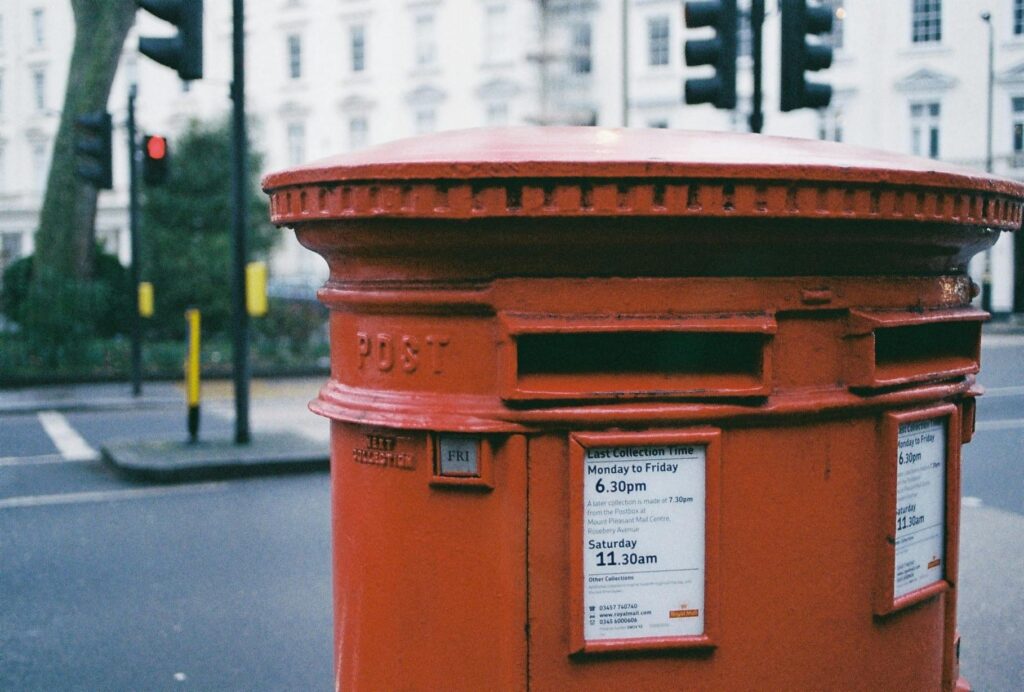
Demandez à l'auberge : le personnel de Clink saura généralement où se trouve la boîte aux lettres la plus proche (et pourra même poster votre courrier pour vous !).
Essayez de tenir compte du délai d'acheminement. Il y a de fortes chances que votre carte postale mette un certain temps à arriver à destination.
Astuces pour les cartes postales
Achetez quelques timbres internationaux avant votre voyage.
Écrivez vos cartes postales à l'avance afin de ne pas oublier ou manquer de temps.
Prenez une photo avant de l'envoyer, au cas où vous voudriez vous souvenir de ce que vous avez écrit.
Conseils finaux pour améliorer vos cartes postales
Personnalisez votre message : utilisez un surnom, faites référence à une blague entre vous ou ajoutez un petit dessin espiègle. C'est ce qui le rend unique.
Choisissez des timbres qui ont du caractère : ce sont de véritables mini-œuvres d'art qui permettront à votre carte postale de se démarquer parmi la pile de factures et de prospectus ennuyeux.
Faites-en un rituel : envoyer une carte postale par voyage est une tradition amusante. Ou envoyez-en une depuis chaque ville, votre futur vous en sera reconnaissant.
Foire aux questions
Que dois-je écrire sur une carte postale ?
Partagez un extrait de votre aventure, une pensée rapide ou même simplement un « bonjour » amusant. Restez léger, personnel et enjoué.
Comment adresser une carte postale ?
Inscrivez le nom, la rue, la ville, le code postal et le pays dans la partie droite. Une écriture soignée est préférable. (Oui, vraiment.)
Puis-je envoyer une carte postale à l'étranger ?
Oui, veillez simplement à indiquer le nom du pays et à apposer le timbre international approprié. En cas de doute, renseignez-vous auprès d'un bureau de poste local ou du personnel de l'auberge.
Dois-je indiquer mon adresse de retour dessus ?
Ce n'est pas toujours nécessaire, mais c'est pratique, surtout si votre carte est perdue ou n'est pas livrée. Inscrivez votre nom et votre adresse personnelle dans le coin supérieur gauche si vous voulez être sûr.
Puis-je envoyer des cartes postales faites à la main ?
Oui ! Assurez-vous simplement que votre création soit au format carte postale (environ 10 x 15 cm), suffisamment solide pour résister à l'envoi postal et qu'elle comporte suffisamment d'espace pour le timbre et l'adresse.
Où puis-je acheter des timbres pendant mon voyage ?
Vous trouverez des timbres dans les bureaux de poste et dans certaines boutiques de souvenirs. Si vous avez un doute, demandez à un habitant, il vous indiquera où vous rendre.
Vous cherchez une façon amusante de changer votre routine ? Que vous voyagiez en solo, entre amis ou que vous vous fassiez de nouveaux amis en cours de route, cette liste d'idées pour votre bucket list estivale est faite pour vous. Des sensations fortes qui font monter l'adrénaline aux moments de détente, ces idées vous aideront à profiter pleinement de chaque jour. Alors, prenez vos lunettes de soleil, préparez-vous à partir à l'aventure et faisons de cet été un moment inoubliable !
Idées pour votre liste de choses à faire cet été
Faites-vous de nouveaux amis ou renouez avec d'anciens amis.
Participez à un atelier pour apprendre les techniques de survie en milieu sauvage ou laissez libre cours à votre créativité avec des activités manuelles.
Nagez de manière responsable dans un plan d'eau naturel comme un lac, une rivière ou la mer.
Visitez un jardin botanique qui abrite des plantes provenant du monde entier.
Explorez un musée ou un centre scientifique gratuit.
Essayez une nouvelle gourmandise au marché fermier local.
Faites une balade sur les canaux et profitez d'un voyage tranquille et paisible.
Offrez-vous une journée de détente dans un spa ou créez votre propre soirée spa avec des recettes beauté maison.
Partez en promenade au lever ou au coucher du soleil pour profiter des plus belles vues.
Faites du bénévolat dans un jardin communautaire ou un potager.
Participez à une représentation théâtrale en plein air.
Visitez un marché vintage ou un marché aux puces pour dénicher des trouvailles estivales uniques.
Découvrez des histoires effrayantes lors d'une visite guidée sur le thème des fantômes ou découvrez l'histoire locale lors d'une promenade guidée.
Apprenez à faire du skateboard ou du roller dans un parc près de chez vous.
Créez ensemble un souvenir de voyage, comme un album photo pour vous remémorer votre périple.
Fixez-vous comme défi de courir un certain nombre de fois par semaine ou par mois et suivez vos progrès.
Créez une playlist estivale et partagez-la avec vos amis.
Écrivez des cartes postales ou des lettres à vos amis et à votre famille.
Rendez-vous à une soirée disco silencieuse et dansez au rythme de votre propre musique.
Faites un pique-nique au coucher du soleil sur un toit ou au sommet d'une colline avec vue panoramique.
Assistez à un festival culturel célébrant un autre pays ou une autre communauté.
Apprenez à fabriquer vos propres bijoux, bougies ou produits de beauté naturels.
Essayez d'observer les étoiles par une nuit claire et voyez si vous pouvez repérer des constellations ou des planètes.
Planifiez une « journée oui » et dites oui à des aventures (sûres et raisonnables).
Visitez un champ de lavande, de tournesols ou de fleurs sauvages pour une balade photographique de rêve.
Apprenez les gestes de premiers secours ou suivez un cours sur la sécurité.
Passez une journée sans téléphone et soyez pleinement présent dans votre environnement.
Essayez une escape room avec vos amis pour un défi amusant en équipe.
Essayez le bain de forêt (shinrin-yoku) pour vivre une expérience apaisante en pleine nature.
Créez une capsule temporelle avec vos amis et enterrez-la (ou scellez-la soigneusement pour l'ouvrir plus tard).
Essayez-vous à la musique de rue ou regardez les artistes locaux se produire dans la rue.
Préparez vos propres glaces à l'eau ou boissons estivales à partir de fruits frais.
Organisez une séance de teinture tie-dye et personnalisez vos vieux t-shirts ou sacs fourre-tout.
Organisez une journée ou un voyage surprise pour un ami ou un membre de votre famille.
Enfin, venez nous rendre visite, nous serons ravis de participer à vos aventures estivales !
En résumé
Et voilà. Une liste complète d'aventures estivales, de moments de détente et tout ce qui se trouve entre les deux. Que vous en cochiez une ou dix, l'important est de sortir, d'essayer quelque chose de nouveau et de créer des souvenirs inoubliables. Alors, qu'attendez-vous ? Rassemblez vos amis, plongez dans l'été et profitez de bons moments. Et si vous avez vos propres idées préférées pour l'été, partagez-les avec nous, nous sommes toujours à la recherche d'inspiration !
Laissez-nous vous aider à créer des souvenirs inoubliables cet été
Séjournez dans les auberges Clink Hostels à Amsterdam, Dublin ou Londres et profitez pleinement de votre aventure estivale. Vivez des sensations fortes, faites-vous de nouveaux amis ou imprégnez-vous de l'ambiance de la ville. Quel que soit votre style, nous avons l'endroit idéal pour vous détendre après une journée de découverte. Réservez votre séjour dès aujourd'hui et commencez à créer des souvenirs qui resteront gravés à jamais dans votre mémoire !
Get ready to elevate your Dublin experience with our guide to the city’s top rooftop bars! From stunning city vistas to cosy hideaways under the stars, Dublin’s rooftop scene offers something for everyone. If you’re sipping cocktails with friends or enjoying a romantic evening with a view, these 10 rooftop destinations are sure to make your Dublin adventure unforgettable. Join us as we explore the best rooftops to sip, socialise, and soak up the atmosphere high above the bustling streets of Dublin.
1. Fitzsimons
Fitzsimons’ Roof Garden is Dublin’s sunny sanctuary, where you can sip cocktails or pints while soaking up the rays. Adorned with colourful picnic benches, blooming flowers, and its own bar, it’s a haven for Instagram-worthy moments. Picture this: you and your crew lounging in Dublin’s top open-air rooftop bar, enjoying chilled drinks under the sun. And with its retractable roof, the party never stops, even if the rain decides to join in! So, gather your friends and escape to Fitzsimons for a memorable rooftop experience.
Address: 21/22, Wellington Quay, Temple Bar, Dublin
Perched in Temple Bar, Dublin’s buzzing hub, Bad Bobs’ rooftop promises an elevated experience. With its prime spot on Essex Street, it’s your ticket to the high life. This hidden gem boasts its own bar and ample seating, making it the go-to for groups and solo adventurers alike. But it’s not just about the amenities, it’s the vibe. Picture yourself with a drink in hand, soaking in the infectious energy under the starry sky. So, why wait? Elevate your night at Bad Bob’s!
Address: 35-37 Essex St E, Temple Bar, Dublin 2, D02 Y891
3. Sophie’s
Sophie’s is the epitome of sophistication in Dublin, offering stunning city views from its glass walls and rooftop dining area. By day, it’s a brunch haven under Dublin’s sky, and by night, it transforms into a lantern-lit wonderland, serving up exquisite cocktails and an impressive wine selection. If you’re willing to splurge, Sophie’s panoramic views offer a luxurious escape from the city, rain or shine. It’s a glamorous choice for a date night or special occasion, with a stunning outdoor nook for when you crave some fresh air. So, if you’re ready to treat yourself, Sophie’s awaits with its upscale ambiance and breathtaking vistas.
Atop the famous Guinness Storehouse sits the Gravity Bar, offering the most incredible views of Dublin’s skyline. Here’s the catch: you need a ticket to the Guinness Storehouse to get in. But it’s worth it! The Gravity Bar promises an unforgettable adventure filled with Guinness culture, great vibes, and, of course, amazing views!
Address: St. James’s Gate, Dublin 8, D08 VF8H
5. Fade Street Social
Fade Street Social offers an exclusive experience with its outdoor spacious and heated area, perfect for pre or post-dinner drinks and unwinding to funky tunes. For those looking to indulge in something special, the rooftop Winter Garden is a must-visit. While it’s on the pricier side, it’s worth splurging for a special occasion. Here, guests can enjoy superb food, handcrafted cocktails, and a relaxed ambiance where you can even catch a glimpse of the stars at night, making it an ideal spot for creating lasting memories with friends or loved ones.
Address: 6 Fade St, Dublin 2, D02 NF77
6. The Workman’s Club
At The Workman’s Club, every night feels like a weekend celebration! The heated outdoor space peels back the roof for an alfresco experience whenever the weather permits. With its fully-stocked bar and lively party atmosphere, the fun doesn’t stop until the early hours. It’s the perfect spot to mingle over pints, embracing the true Irish tradition of friendly vibes and chance encounters.
Address: 10 Wellington Quay, Temple Bar, Dublin, D02 VX36
7. The Vintage Cocktail Club
Welcome to The Vintage Cocktail Club, where stepping inside feels like entering a time machine to the glamorous days of speakeasies and silent movie stars. This place radiates 1920s charm and sophistication, offering an extensive menu of award-winning cocktails crafted with the finest seasonal ingredients. And let’s talk ambiance: think cosy decor and a vibe that transports you back in time. While you won’t find panoramic city views here, the real magic lies in sipping cocktails under the stars. So, if you’re willing to splurge for a taste of vintage elegance and exceptional drinks, The Vintage Cocktail Club is the place to be!
Address: 15 Crown Alley, Temple Bar, Dublin 2, D02 E229
The Parnell Heritage Pub & Grill proudly features Parnell Street’s only rooftop terrace, offering patrons a unique experience. Here, guests can unwind and enjoy a few drinks under the stars, adding a touch of magic to their night out. If you’re catching up with friends or enjoying a romantic evening, the rooftop terrace provides the perfect ambiance for memorable moments.
Address: 72-74 Parnell St, North City, Dublin 1, D01 ND00
At Hyde Dublin, with both a rooftop garden and terrace, there’s no shortage of space for unforgettable moments. The rooftop garden is perfect for larger gatherings, whether it’s a summer barbecue or a December dance party. And let’s not forget the rooftop terrace, the true gem of Hyde. Step out of the lifts and prepare to be amazed by breathtaking city views and cosy seating areas. So, gather your friends, soak in the scenery, and let Hyde Dublin elevate your next rooftop adventure!
TapHouse is your go-to spot for a chill rooftop experience in Dublin. Picture this: warm evenings, cosy vibes, and a rooftop terrace that feels like home. While the views might not stretch for miles, the atmosphere is pure magic. Nestled in Ranelagh village, it’s a local hotspot with all the charm of a neighbourhood haunt. And let’s talk drinks: craft brews galore and delicious cocktails. Plus, there’s no shortage of tasty bites, from burgers to tacos. So, if you’re craving relaxed vibes and good times, head to TapHouse for an unforgettable rooftop adventure!
Address: 60 Ranelagh, Dublin 6, D06 C9C6
En résumé
As we wrap up our rooftop adventure in Dublin, we hope you’ve discovered some new favourite spots to enjoy the city from above. From lively bars to serene hideaways, Dublin’s rooftop scene offers a diverse range of experiences for every occasion. And speaking of views, why not take your Dublin getaway to new heights? Stay at our Dublin hostel, Clink i Lár, where you’ll find the best views over the city. Travelling with your crew? Not a problem, we offer group accommodation in Dublin too!
Les auberges de jeunesse sont bien plus qu'un simple endroit où dormir, elles sont la porte d'entrée vers des expériences uniques, des rencontres enrichissantes et des aventures inoubliables. Chez Clink, nous sommes fiers de créer des atmosphères sociales dynamiques, d'offrir des emplacements imbattables et de fournir un confort sans compromis. Que vous soyez un voyageur solitaire désireux de rencontrer des personnes partageant les mêmes idées ou un explorateur soucieux de son budget à la recherche d'un rapport qualité-prix exceptionnel, les auberges de jeunesse sont conçues pour rendre votre séjour mémorable et agréable. Dans ce guide, nous allons explorer les 15 principaux avantages de séjourner dans une auberge de jeunesse et les raisons pour lesquelles cela pourrait être le choix idéal pour votre prochain voyage.
Les 15 principaux avantages de séjourner dans une auberge de jeunesse
1. Hébergement abordable
Voyager ne doit pas nécessairement vous ruiner. Les auberges de jeunesse offrent des options économiques qui vous permettent de disposer de plus d'argent pour explorer, manger et vivre des aventures. De nombreuses auberges comme la nôtre proposent des options économiques, des dortoirs partagés aux chambres privées, vous offrant un excellent rapport qualité-prix sans sacrifier le confort ou la qualité. De plus, les économies réalisées peuvent vous aider à prolonger votre voyage ou à vous offrir des expériences uniques, comme prendre un verre avec d'autres voyageurs au ZincBar ou participer à l'un de nos événements sociaux animés.
Les auberges de jeunesse sont de véritables creusets culturels qui rassemblent des voyageurs du monde entier. Partagez vos anecdotes autour du petit-déjeuner, échangez des conseils de voyage dans la salle commune ou apprenez quelques phrases dans une nouvelle langue auprès d'autres aventuriers. Les auberges de jeunesse sont des lieux de rencontre très animés qui proposent des ateliers créatifs, des dîners en groupe et des excursions dans la ville. Chez Clink Hostels, par exemple, notre personnel compétent organise des visites guidées de la ville et des activités ludiques qui facilitent les rencontres. Que vous participiez à une visite guidée à pied, à un événement thématique ou que vous passiez simplement du temps dans les espaces communs, les amitiés que vous nouerez et les souvenirs que vous créerez seront parmi les moments les plus enrichissants de votre voyage.
3. Conseils d'experts locaux
Pourquoi se fier aux guides touristiques quand on peut obtenir des conseils d'initiés directement auprès des personnes qui connaissent le mieux la ville ? Le personnel des auberges de jeunesse connaît souvent les endroits secrets, les événements locaux et les restaurants authentiques que les touristes manquent souvent. Des raccourcis aux attractions incontournables en passant par les meilleures activités gratuites, ils vous aideront à découvrir la ville comme un habitant local.
4. Séjours flexibles
Les auberges de jeunesse s'adressent souvent aux voyageurs spontanés en proposant des options de réservation flexibles, mais le degré de flexibilité peut varier. Clink Hostels, par exemple, se distingue en offrant la possibilité de modifier sans difficulté la durée de votre séjour. Que vous souhaitiez prolonger votre aventure ou partir plus tôt que prévu, Clink vous permet d'adapter votre séjour sans le stress des horaires rigides, un avantage qui n'est pas garanti dans toutes les auberges de jeunesse.
5. Installations pour préparer soi-même ses repas
De nombreuses auberges proposent des cuisines communes où les clients peuvent préparer leurs propres repas, ce qui en fait une excellente option pour les voyageurs soucieux de leur budget. Bien que ClinkNOORD et Clink I Lár ne disposent pas de cuisines communes, elles vous garantissent de délicieux repas abordables sur place, tels que des pizzas fraîchement préparées, des hamburgers et des salades, parfaits pour un en-cas rapide ou un repas sain afin de faire le plein d'énergie pour vos aventures. De plus, grâce à leur emplacement privilégié, vous trouverez de nombreux restaurants et cafés locaux abordables à deux pas !
6. Emplacements de choix
La plupart des auberges sont situées au cœur de l'action, à proximité des sites emblématiques, de la vie nocturne animée et des transports publics. Cela signifie moins de temps passé dans les transports et plus de temps pour profiter des sites touristiques. Séjourner dans le centre facilite également les déplacements à pied, ce qui vous permet d'économiser de l'argent et de découvrir des trésors cachés en chemin. Chez Clink Hostels, nos emplacements sont idéaux pour tous les voyageurs. Clink I Lár est parfaitement situé au cœur du centre-ville de Dublin, ce qui permet d'explorer facilement les attractions, les pubs et les restaurants de la ville. Quant au Clink261 à Londres, il se trouve à quelques pas de la gare de King's Cross, offrant un accès rapide aux transports en commun et aux meilleurs sites touristiques de la ville.
7. Possibilités de bénévolat
Les auberges de jeunesse sont bien plus qu'un simple endroit où dormir ; elles sont une porte d'entrée vers le bénévolat. De nombreuses auberges s'associent à des associations caritatives et des groupes environnementaux locaux, permettant ainsi à leurs clients de s'impliquer dans des initiatives communautaires et d'ajouter une dimension unique à leurs voyages. Bien que Clink Hostels ne propose pas actuellement d'opportunités de bénévolat, nous sommes toujours ravis de recevoir les candidatures de voyageurs passionnés souhaitant rejoindre notre équipe. Si vous êtes enthousiaste à l'idée de voyager et de créer des expériences inoubliables pour nos clients, n'hésitez pas à nous envoyer votre CV!
8. Événements et activités uniques
Des tournées des bars aux soirées quiz, en passant par les séances de yoga et les visites guidées à pied, les auberges de jeunesse se surpassent pour offrir à leurs clients des expériences mémorables. Contrairement à certaines auberges qui se concentrent uniquement sur les tournées des bars ou les visites guidées à pied, Clink Hostels va plus loin en proposant des activités uniques, telles que des ateliers créatifs, des dîners à thème et des spectacles au ZincBar.
9. Adapté aux voyageurs solitaires
Vous voyagez seul ? Les auberges de jeunesse vous permettent de vous sentir facilement intégré à une communauté. Avec leurs dortoirs communs, leurs événements de groupe et leurs espaces communs accueillants, vous ne vous sentirez jamais isolé. C'est le mélange parfait entre indépendance et camaraderie, qui vous offre la liberté d'explorer tout en ayant toujours des gens avec qui échanger.
10. Assistance 24 heures sur 24
Vous arrivez tard ou partez tôt ? Les auberges proposent généralement une réception ouverte 24h/24 et 7j/7, afin que quelqu'un soit toujours disponible pour vous accueillir. Chez Clink Hostels, la plupart de nos établissements sont ouverts 24h/24 et 7j/7, avec un personnel sympathique toujours prêt à vous aider. Pour une ambiance plus intime, nos auberges plus petites comme ClinkMama et ClinkCoco offrent la même atmosphère accueillante, avec un personnel disponible jusqu'à 22h pour s'assurer que vous êtes bien installé et prêt pour votre prochaine aventure.
11. Une gamme d'options d'hébergement
Les auberges de jeunesse s'adressent à tous les types de voyageurs. Que vous préfériez un dortoir animé pour rencontrer d'autres personnes ou une chambre privée pour vous reposer au calme, vous trouverez un espace qui répondra à vos besoins. De nombreuses auberges, dont Clink Hostels, proposent diverses options, des dortoirs partagés aux chambres privées et aux capsules, en passant par les dortoirs réservés aux femmes.
12. Options d'hébergement pour les groupes
Vous voyagez en groupe ? Les auberges de jeunesse sont une solution pratique, abordable et agréable ! Chez Clink Hostels, nous accueillons des groupes de toutes tailles dans nos établissements très prisés d'Amsterdam et de Dublin. Que vous organisiez une aventure en équipe, un voyage scolaire ou une escapade culturelle, nous mettons à votre disposition des dortoirs privés, des espaces communs spacieux et tout ce dont vous avez besoin pour un séjour en groupe sans encombre. Nous vous conseillons également sur l'organisation de vos excursions et la préparation de vos paniers-repas, afin de faciliter encore davantage la planification de votre séjour. Les groupes de 20 personnes ou plus doivent réserver auprès de notre équipe dédiée aux groupes afin de bénéficier d'un hébergement sur mesure et de services personnalisés. Vous voyagez en groupe de 19 personnes ou moins ? Vous pouvez réserver directement sur notre site web, comme les voyageurs individuels, sans conditions particulières ni tracas. Que vous soyez ici pour la musique, le sport ou le tourisme, Clink Hostels est le point de départ idéal pour votre aventure en groupe.
13. Des designs uniques et originaux
Les auberges de jeunesse sont tout sauf ennuyeuses. Beaucoup sont situées dans des bâtiments historiques ou décorées avec des designs accrocheurs. Imaginez des fresques murales colorées, des espaces réaménagés comme d'anciennes usines ou des terrasses sur les toits avec des vues imprenables. Séjourner dans une auberge de jeunesse, c'est comme séjourner dans une œuvre d'art : parfait pour votre feed Instagram !
14. Personnel compétent et sympathique
Le personnel des auberges de jeunesse est bien plus que de simples employés, ce sont eux-mêmes des voyageurs qui comprennent vos besoins. Ils se feront un plaisir de vous aider, que ce soit pour planifier votre journée ou vous recommander les meilleurs endroits pour sortir le soir. Leur passion pour les voyages en fait votre meilleure ressource pour un séjour mémorable. Chez Clink Hostels, notre personnel met tout en œuvre pour que votre séjour soit inoubliable, en vous offrant des conseils d'initiés sur tout, des excursions en ville aux expériences hors des sentiers battus.
15. Initiatives communautaires
Chez Clink Hostels, nous croyons qu'il est important de donner en retour et d'avoir un impact positif. Notre engagement en faveur du développement durable, de la diversité et de l'engagement local va au-delà de la simple offre d'hébergements de qualité. Nous soutenons des associations caritatives telles que Mensen Maken Amsterdam et London Youth, mettons gratuitement des espaces sociaux à la disposition d'organisations qui promeuvent le changement social et privilégions la collaboration avec des fournisseurs locaux. De la création du plus long jardin d'Amsterdam à la participation à la Journée mondiale du nettoyage, nous sommes fiers de favoriser l'esprit communautaire tout en promouvant le développement durable. Découvrez nos initiatives communautaires.
Nos auberges
Nous serions ravis de vous accueillir chez nous ! Que vous recherchiez un séjour au calme ou une ambiance animée, nos auberges sont le point de départ idéal pour votre prochaine aventure.
Amsterdam
Découvrez l'énergie vibrante d'Amsterdam dans nos auberges accueillantes :
De leur prix abordable à leurs expériences sociales inoubliables, les auberges de jeunesse apportent une touche de magie à vos voyages. Ce ne sont pas seulement des lieux où séjourner, ce sont des communautés qui favorisent les rencontres, la créativité et les échanges culturels. Que vous voyagiez seul ou entre amis, les auberges de jeunesse offrent le mélange parfait entre confort, flexibilité et divertissement. Chez Clink Hostels, nous offrons une ambiance animée, un personnel sympathique et des emplacements de choix pour que vous profitiez au maximum de votre voyage. Alors pourquoi ne pas rendre votre prochaine aventure encore plus passionnante en choisissant une auberge Clink Hostel ? Avec leur charme unique et leurs avantages pratiques, elles offrent bien plus qu'un simple lit : elles offrent une expérience dont vous vous souviendrez toujours.
Foire aux questions
Quels sont les avantages de séjourner dans une auberge de jeunesse ? Séjourner dans une auberge de jeunesse est un moyen unique et économique de voyager, avec en prime la possibilité de rencontrer des personnes partageant les mêmes idées et venant du monde entier. Les auberges de jeunesse offrent une grande flexibilité, des espaces de rencontre et souvent des informations locales qui enrichissent votre expérience de voyage et la rendent plus immersive. Que vous voyagiez seul ou en groupe, elles constituent un moyen convivial et économique d'explorer de nouveaux endroits. Prêt à profiter de tous ces avantages ? Réservez votre séjour chez Clink Hostels pour une aventure inoubliable !
Pourquoi les gens séjournent-ils dans des auberges de jeunesse ? Les gens séjournent dans des auberges de jeunesse parce qu'elles offrent à la fois des tarifs abordables, une grande flexibilité et des occasions de rencontrer d'autres personnes. Les auberges de jeunesse sont idéales pour les voyageurs soucieux de leur budget, les aventuriers solitaires ou toute personne souhaitant rencontrer d'autres voyageurs pendant son séjour. Elles sont souvent situées dans des emplacements de choix, ce qui en fait le lieu idéal pour découvrir de nouvelles villes et cultures. Réservez votre séjour chez Clink Hostels et découvrez-le par vous-même !
Les auberges de jeunesse sont-elles sûres ? Oui, les auberges de jeunesse sont généralement très sûres. La plupart des auberges disposent d'un service de sécurité 24h/24, de casiers sécurisés et d'un personnel disponible à toute heure. De plus, beaucoup proposent un accès par carte magnétique, un système de vidéosurveillance et un service de mise en sécurité des objets de valeur, ce qui en fait un choix sûr pour les voyageurs. Chez Clink Hostels, la sécurité est une priorité absolue avec un personnel disponible 24 heures sur 24, 7 jours sur 7 (sauf dans les petites auberges), un accès par carte magnétique et des options de stockage sécurisées, vous garantissant une tranquillité d'esprit tout au long de votre séjour.
Puis-je préparer mes propres repas dans une auberge ? Oui, de nombreuses auberges disposent d'une cuisine commune, vous permettant ainsi de préparer vos repas en toute liberté. C'est un excellent moyen d'économiser de l'argent ou de cuisiner des plats locaux que vous avez découverts au cours de vos voyages. Chez Clink Hostels, même si toutes nos auberges ne disposent pas d'une cuisine commune, vous trouverez de nombreux restaurants et cafés abordables à proximité, ce qui vous permettra de déguster de bons repas sans dépasser votre budget.
Les auberges de jeunesse sont-elles réservées aux jeunes voyageurs ? Pas du tout ! Les auberges de jeunesse accueillent des voyageurs de tous âges, des routards aux nomades numériques, en passant par les voyageurs solitaires et les familles. Si certaines auberges peuvent appliquer des limites d'âge, Clink Hostels a une politique d'âge minimum qui dépend du lieu et de la période de l'année. Par exemple, Clink261 est réservé aux plus de 18 ans toute l'année, tandis que d'autres établissements ont des restrictions d'âge saisonnières. Tout le monde est le bienvenu pour profiter de la flexibilité, des prix abordables et de l'atmosphère animée que nous offrons.
Les auberges sont-elles ouvertes 24 heures sur 24, 7 jours sur 7 ? La plupart des auberges sont ouvertes 24 heures sur 24, 7 jours sur 7, et offrent un accès permanent à leurs clients, quelle que soit l'heure à laquelle ils arrivent ou partent. Cela vous garantit flexibilité et commodité pendant vos voyages.
Chez Clink Hostels, la plupart de nos établissements sont ouverts 24 heures sur 24, 7 jours sur 7, avec un personnel toujours disponible pour vous aider. Cependant, dans nos auberges plus petites comme ClinkMama et ClinkCoco, le personnel est disponible jusqu'à 22 heures, vous garantissant ainsi une nuit de sommeil paisible tout en vous offrant une assistance pendant la journée et en soirée.
Dublin is packed with life, history, and plenty of craic (that’s Irish for fun, by the way). So, it’s the perfect place to enjoy some group adventures. If you’re here with friends, family, or fellow backpackers, there’s something for everyone in this friendly city. Here are some of our favourite group activities to try while you’re in Dublin!
1.Go to a Museum
Exploring Dublin’s museums is a fun and easy way for groups to discover Irish culture and history. Start with The Little Museum of Dublin, where fun exhibits and stories bring the city’s past to life. Next, visit Kilmainham Gaol Museum, where your group can explore the old prison and learn about Ireland’s history, including the 1916 Easter Rising. For a relaxed vibe, head to the Irish Whiskey Museum, where tours and tastings make for a fun group activity. Don’t miss EPIC The Irish Emigration Museum, an interactive and immersive journey through the stories of Irish people who shaped the world. Finally, stop by the National Gallery of Ireland to enjoy beautiful art together, and it’s free!
No trip to Dublin is complete without experiencing the awe-inspiring Book of Kells. Housed in the historic Trinity College Library, this illuminated manuscript, created by Celtic monks around 800 AD, is a masterpiece of intricate artistry and one of Ireland’s greatest cultural treasures. Your group can marvel at its vivid colours and detailed illustrations that have stood the test of time. After viewing the manuscript, take a moment to explore the Long Room, a breathtaking library hall lined with thousands of antique books. It’s a perfect blend of history, art, and architecture that will leave your group inspired.
3. Explore the Famous Pubs of Temple Bar
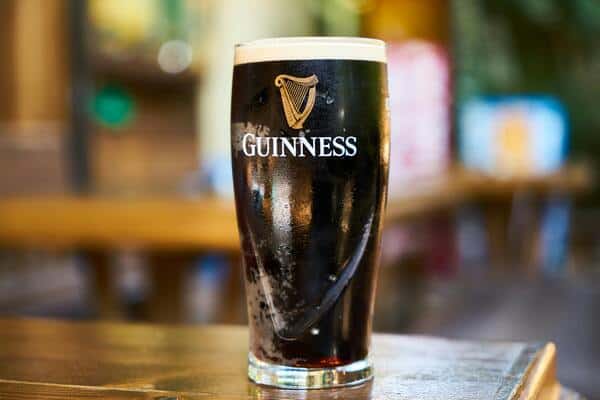
The pubs of Temple Bar are a must-visit for anyone looking to experience Dublin’s legendary nightlife. This bustling district is home to an array of traditional Irish pubs, offering everything from live folk music to an unbeatable atmosphere. Stop by The Temple Bar Pub for its lively crowd and impressive whiskey selection, or enjoy live music at The Oliver St. John Gogarty. For craft beer enthusiasts, The Porterhouse is a great choice, while The Norseman offers a more relaxed vibe. Whether it’s for the music, the atmosphere, or the perfect pint of Guinness, the pubs of Temple Bar promise an unforgettable evening.
Need a peaceful place to relax with your friends? The National Botanic Gardens are just the spot. A short trip from the city centre, these lush gardens are a hidden gem, perfect for a chilled stroll among gorgeous plants and flowers. Grab a coffee from the café, take a break, and soak up the beautiful surroundings. Fun fact: These gardens have been around since 1795 and boast one of Ireland’s largest plant collections.
If your group is looking for some wild fun, head to Dublin Zoo in Phoenix Park – one of the oldest and most popular zoos in Europe, founded all the way back in 1830! Home to around 400 animals, it’s a great place for a leisurely wander, where you can see some of the world’s most amazing creatures, from mighty elephants to playful penguins. With 28 hectares of space to explore, there’s plenty of room for your group to roam and discover new animal friends.
6. Raise a Glass at Dublin’s Whiskey Distilleries
Dublin’s whiskey distilleries offer an unforgettable group experience, blending history, craftsmanship, and tastings of Ireland’s finest spirits. Discover the art of whiskey-making with guided tours at iconic locations like Jameson or Teeling Distillery. Whether you’re a seasoned connoisseur or a curious novice, you’ll savour the rich flavours and stories that make Irish whiskey world-renowned. Perfect for team outings or celebrations, these distilleries provide an authentic taste of Dublin’s heritage
Fancy some culture? The Gaiety Theatre is the place for an unforgettable night out. This stunning venue, which dates back to 1871, hosts everything from musicals to plays, showcasing both local and international talent. It’s one of Dublin’s most iconic theatres, so gather your group for an evening of live performances and immerse yourselves in the city’s vibrant arts scene. Whether you’re into drama, comedy, or musicals, there’s something for everyone at this historic venue.
8. Cruise on the River Liffey
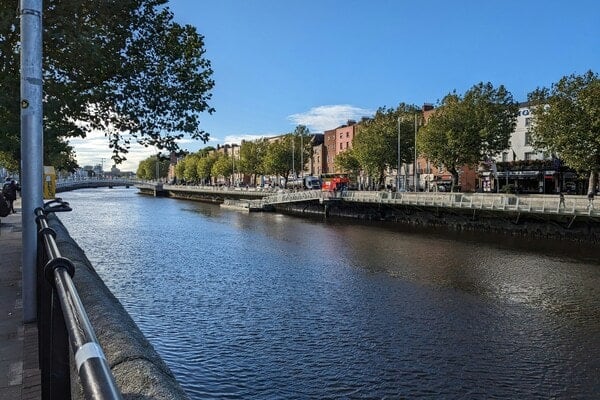
Take a chill cruise along the River Liffey and see Dublin from a whole new perspective. Cruising the river is a relaxing way to take in the city’s top sights, from the Ha’penny Bridge to the impressive Dublin Docklands. Plus, it’s the perfect chance to kick back, unwind, and have a laugh with your group while you enjoy the view. And if you’re looking to make it extra special, you can even bring a drink along to toast to your Dublin adventure!
9. Go on Dublin’s Secret Food Tour
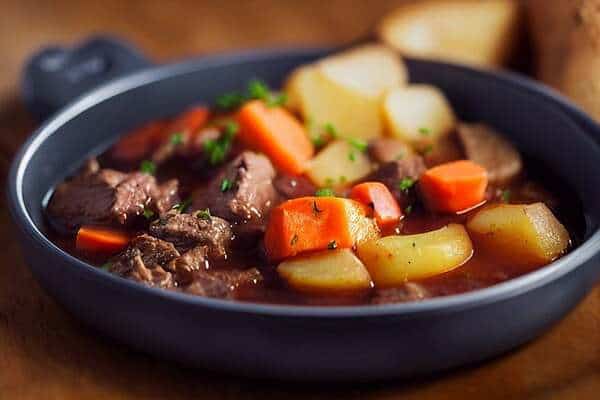
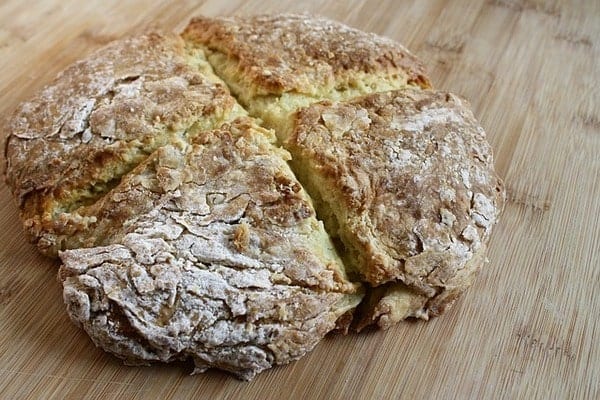
Feeling hungry? Take your group on a tasty adventure with Dublin’s Secret Food Tour. You’ll explore hidden gems off the beaten track, sampling classic Irish dishes like fresh hearty stews, and, of course, the famous Irish soda bread. Along the way, your guide will share the city’s culinary secrets, so you get to taste Dublin’s rich food culture while learning about its history. Trust us, it’s the most delicious way to see the city!
Ready to belt out your favourite tunes with your crew? A karaoke night in Dublin is the ultimate way to let loose and have a laugh. Head to Marrakesh Dublin, a great spot that combines karaoke fun with delicious cocktails and a buzzing atmosphere. Whether you’re a seasoned performer or just in it for the laughs, Marrakesh promises a great time for your group.
Or, for a more private vibe, check out Maneki Dublin. This stylish karaoke bar offers private booths, ideal for belting out tunes with just your mates. With its sleek design, excellent sound systems, and a menu packed with tasty drinks, it’s a guaranteed hit for your night out.
11. Take a Group Pub Quiz
Fancy putting your knowledge to the test? Dublin’s pub quiz scene is where it’s at for a mix of brain-teasing fun and a great night out with your crew. Head over to the lively Woolshed Pub, a favourite spot for quiz nights. With its sports-bar vibes, cosy atmosphere, and tasty pub grub, it’s the perfect place to compete for those all-important bragging rights.
Looking for a quirkier setting? Check out The Barbers Bar, where you can sip your pint surrounded by vintage barber chairs and quirky décor. This unique spot also hosts cracking quiz nights, blending a touch of whimsy with the thrill of competition. Form your team, grab a drink, and see if you’ve got what it takes to come out on top!
12. Take a Ghost Tour
Want to add a little spooky thrill to your Dublin trip? A ghost tour will take you through the city’s most haunted spots, sharing eerie stories of Dublin’s dark past. From tales of tragic figures to the restless spirits that still haunt the streets, these tours offer a spine-chilling way to see a different side of the city. Perfect for a group looking for something a bit different, it’s an adventure that’ll leave you looking over your shoulder long after the tour ends.
For a seriously fun (and probably hilarious) group activity, why not take a class in Irish dancing? Whether you’re giving a traditional Céilí a go or trying to master the fast-paced steps of a Riverdance-style routine, you’re guaranteed to have a blast. You might not leave as a pro, but you’ll definitely leave with some great memories and a whole lot of laughs as you try your hand at the famous footwork – and maybe make a fool of yourselves in the process!
14. Go to the Forty Foot
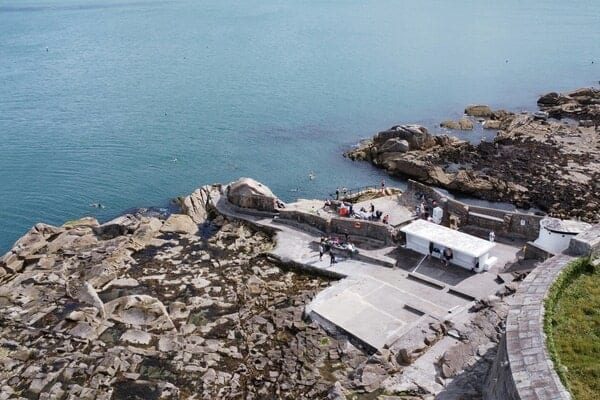
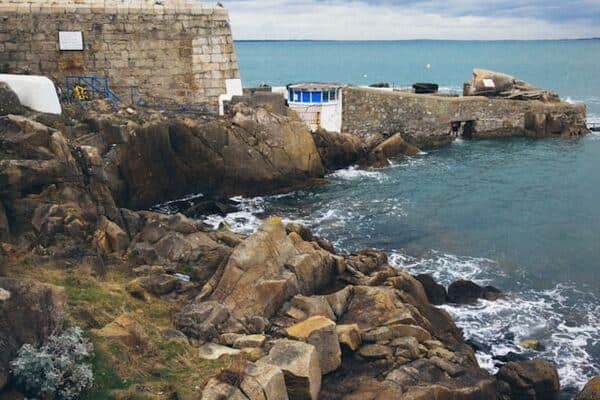
For the brave souls in your group, take a plunge at The Forty Foot – an iconic Dublin swimming spot where locals dive into the chilly Irish Sea, no matter the season. Whether you’re into swimming or just want to watch the fearless jumpers, it’s a classic Dublin experience that’s perfect for groups looking to try something a bit daring. Located in Sandycove, this spot is a favourite for both locals and visitors, so dive in and make some unforgettable memories (just be prepared for the cold!).
15. Explore Dublin’s Castles
Ready to live your best medieval life? Dublin has a mix of castles and historical spots that are perfect for groups looking to dive into the city’s rich past. First up, Drimnagh Castle, Dublin’s only fully intact castle with a moat. Yep, you heard that right – this hidden gem is straight out of a fairytale, with stunning grounds and a history dating back to the 12th century. It’s the perfect spot for a group day trip full of quirky photo ops and a glimpse into the city’s past.
Not into traditional castles? Check out Dublin Castle instead. This iconic landmark, located in the heart of the city, is packed with history. Once a seat of British power in Ireland, it’s now a popular part of Dublin’s cultural scene. Take a guided tour through the State Apartments, explore the beautiful gardens, and get a taste of Dublin’s political and royal past.
16. Immerse Yourself in the Guinness Storehouse
Step into the heart of St. James’s Gate Brewery and explore seven floors of interactive exhibits, culminating in a complimentary pint at the Gravity Bar with stunning views of the city skyline. From learning about the brewing process to diving into the brand’s iconic history, this is a group activity that delivers both entertainment and a taste of Ireland’s most famous stout.
17. Take a Bike Tour of Dublin
Join a guided bike tour and cruise around the city’s key landmarks, from Georgian squares to historic areas like Temple Bar. It’s a fun, active way to see Dublin’s top sights with your group, and you’ll even learn a bit about the city’s history along the way. Perfect for groups who want to get some exercise while discovering Dublin’s under-the-radar gems!
18. Take on an Escape Room Adventure
For a seriously fun (and possibly chaotic) group activity, why not try an escape room? Team up with your friends to solve puzzles, crack codes, and race against the clock to break free. Whether you’re unlocking hidden secrets or laughing at wild guesses, it’s guaranteed to be an unforgettable experience. You might not escape in record time, but you’ll definitely leave with some hilarious memories
With this list of group activities, you’re all set to dive into the appeal and energy of Dublin! From cultural hotspots to unique experiences, there’s no shortage of ways to make your trip one to remember. Gather your crew, explore the city, and create memories that will have you talking about your Dublin adventure for years to come!
Whether your group is into history, food, or unique adventures, Dublin has something to keep everyone entertained. We hope this article has inspired some great ideas for your trip and that your time in the city is packed with special moments. Travelling with a group? We’ve got you covered with group accommodation in Dublin. Book your stay at I Lár and let the adventure continue with us!
Foire aux questions
What are the best activities for groups in Dublin?
Dublin is packed with activities perfect for groups! You can step back in time with visits to Trinity College or Dublin Castle, test your wits at a lively pub quiz night, or embrace the city’s musical vibe with a karaoke night at Marrakesh or Maneki. If your group loves dancing, a fun Irish dancing lesson is a must. For something unique, a ghost tour through Dublin’s spookier spots is sure to make lasting memories.
What to do with a group in Dublin when it rains?
Rainy days in Dublin are perfect for exploring the city’s indoor attractions. Head to Kilmainham Gaol Museum or the National Gallery of Ireland for a cultural fix or to the Guinness Storehouse to learn everything about the famous stout. Get your group together for a cosy pub quiz or indulge in some fun with an Irish dancing class. If you’re looking to chill, spend time in one of Dublin’s welcoming pubs or cafés while soaking in the local atmosphere.
What to do with a group in Dublin on a sunny day?
Sunny days in Dublin are a treat! Take a bike tour around the city, explore the National Botanic Gardens, or head to The Forty Foot for a refreshing dip in the Irish Sea. Stroll through Phoenix Park or enjoy a cruise on the River Liffey. Outdoor adventures like these are great for soaking up the sun with your group.
What are the best activities for big groups in Dublin?
Big groups will find Dublin ideal for shared experiences that cater to their size. Book a private tour of Drimnagh Castle for an exclusive peek into medieval history or join a walking food tour, where large groups can sample Dublin’s culinary delights together. Enjoy a tailored ghost tour, perfect for accommodating bigger crowds. Clink’s group accommodations make organising these adventures a breeze.
Si vous imaginez des dortoirs exigus et sans fioritures, détrompez-vous ! Les auberges de jeunesse sont devenues des lieux conviviaux où des personnes de tous horizons se retrouvent pour partager leurs expériences, faire des économies et découvrir le monde. Elles s'adressent à tous, des routards soucieux de leur budget aux voyageurs solitaires, en passant par les familles, et mettent l'accent sur la convivialité, les loisirs et l'accessibilité des voyages.
Dans ce guide, nous répondrons à toutes vos questions brûlantes sur les auberges de jeunesse, notamment ce qu'elles sont, qui y séjourne et pourquoi elles sont devenues si populaires auprès des voyageurs avertis. Que vous soyez novice ou explorateur chevronné, vous apprendrez tout ce que vous devez savoir sur les installations, les options d'hébergement et les expériences incroyables qu'offrent les auberges de jeunesse.
Qu'est-ce qu'une auberge ?
Une auberge de jeunesse est bien plus qu'un simple endroit où dormir, c'est un deuxième chez-soi, où l'accessibilité financière va de pair avec la convivialité. Imaginez des espaces communs tels que des dortoirs, des salons et des cuisines, où les conversations coulent aussi facilement que le café. Les auberges de jeunesse sont un refuge pour les routards, les étudiants, les voyageurs solitaires et tous ceux qui recherchent l'aventure sans se ruiner. Elles ne permettent pas seulement d'économiser de l'argent, elles permettent aussi de rencontrer des personnes partageant les mêmes idées, d'échanger des anecdotes et de s'immerger dans l'esprit du voyage. Si vous recherchez un moyen convivial, amusant et économique d'explorer le monde, l'auberge de jeunesse est l'endroit idéal.
Les différents types d'auberges
Les auberges de jeunesse d'aujourd'hui sont aussi diverses que les voyageurs qui y séjournent. Que vous recherchiez une ambiance animée, un hébergement respectueux de l'environnement ou un espace élégant pour vous détendre, il existe une auberge pour chaque type d'explorateur. Voici un guide rapide des types d'auberges les plus populaires et de ce qui rend chacune d'entre elles unique :
Auberges pour routards
Ce sont le cœur et l'âme du monde des auberges de jeunesse ! Conçues pour les aventuriers soucieux de leur budget, les auberges de jeunesse pour routards misent tout sur l'accessibilité et les rencontres. Attendez-vous à des chambres de type dortoir, des cuisines communes et des espaces communs animés où des amitiés se nouent autour d'une passion commune pour les voyages. Idéal pour les voyageurs solitaires ou tous ceux qui souhaitent faire des économies et rencontrer des personnes partageant les mêmes idées.
ClinkNOORD propose des dortoirs et des chambres privées à des prix abordables, parfaits pour les voyageurs soucieux de leur budget qui souhaitent explorer Amsterdam tout en rencontrant d'autres aventuriers partageant les mêmes idées. Les espaces communs animés, comme le bar et le café, créent un cadre accueillant pour partager ses récits de voyage.
Le ClinkCoco à Amsterdam s'inscrit parfaitement dans cette catégorie, proposant des dortoirs abordables, des espaces communs animés et un emplacement idéal qui facilite les visites touristiques. Il est conçu pour favoriser les rencontres, avec de nombreuses occasions de faire connaissance avec d'autres voyageurs dans une ambiance animée et conviviale. Avec son style moderne et élégant, le ClinkCoco est parfait pour les routards à la recherche d'une expérience abordable mais haut de gamme.
Auberges de charme
Pensez à des espaces élégants, dignes d'Instagram, qui allient prix abordable et touche de luxe. Les auberges de charme proposent souvent des designs uniques, des chambres privées et des extras bien pensés, comme des salons confortables et des guides locaux soigneusement sélectionnés. Elles sont idéales pour ceux qui recherchent un peu plus de confort sans se ruiner.
Auberges écologiques
La durabilité et le confort se rencontrent dans les auberges écologiques, où l'accent est mis sur la réduction de votre empreinte écologique tout en explorant le monde. De l'énergie solaire aux systèmes de compostage en passant par les matériaux de construction écologiques, ces auberges sont parfaites pour les voyageurs soucieux de l'environnement. Beaucoup sont situées dans des cadres naturels magnifiques, offrant un havre de paix aussi bénéfique pour vous que pour l'environnement.
Auberges Capsule
Pour les voyageurs qui apprécient leur intimité tout en aimant l'ambiance des auberges de jeunesse, les auberges capsule changent la donne. Au lieu d'un dortoir traditionnel, vous disposerez de votre propre capsule confortable équipée de tout ce dont vous avez besoin, comme un lit douillet, des prises de recharge et même une petite étagère pour votre livre ou votre téléphone. Ces auberges modernes et minimalistes sont idéales pour les voyageurs solitaires qui recherchent un équilibre entre solitude et vie en communauté.
Au Clink261 à Londres, vous trouverez des dortoirs modulaires, offrant un compromis idéal entre intimité et prix abordable. C'est un excellent choix pour les voyageurs qui souhaitent profiter de l'ambiance conviviale d'une auberge de jeunesse tout en disposant d'un espace personnel pour se détendre.
Auberge hybride
Les auberges hybrides offrent le meilleur des deux mondes, alliant l'ambiance conviviale et économique des auberges traditionnelles au confort et à l'intimité des hôtels. Elles proposent à la fois des dortoirs communs et des chambres privées, ce qui les rend idéales pour les voyageurs seuls, les couples, les familles ou même les voyageurs d'affaires. Avec des équipements supplémentaires tels que des restaurants sur place, des espaces de coworking et des zones calmes pour se détendre, les auberges hybrides répondent aux besoins de tous sans compromettre l'accessibilité financière ou l'esprit communautaire.
ClinkMama illustre parfaitement ce concept, en proposant des options d'hébergement polyvalentes qui conviennent à tous les types de voyageurs. Que vous soyez ici pour faire des rencontres ou que vous préfériez un peu plus d'espace personnel, ClinkMama vous permet de nouer des liens, de vous détendre et d'explorer, le tout avec style et confort.
Clink i Lár propose un mélange de chambres privées et de dortoirs et accueille une grande variété de clients, notamment des couples et des petits groupes qui recherchent l'ambiance d'une auberge de jeunesse, mais avec plus de confort et d'intimité.
Auberge ou hôtel : quelle est la différence ?
C'est simple : les auberges et les hôtels offrent des ambiances complètement différentes. Les auberges sont une option économique et conviviale, conçues pour rassembler les gens grâce à des dortoirs communs, des espaces communs animés et un sentiment de communauté que vous ne trouverez pas dans un hôtel. Chez Clink Hostels, par exemple, l'ambiance conviviale est un atout majeur. Pensez à des bars animés comme le ZincBar du ClinkNOORD à Amsterdam, à des activités de groupe comme des visites guidées à pied et des soirées musicales, et à des salons confortables, parfaits pour discuter avec d'autres voyageurs.
Alors que les hôtels mettent l'accent sur les chambres privées et une atmosphère plus formelle, les auberges de jeunesse favorisent les rencontres, que ce soit pour échanger des anecdotes autour du petit-déjeuner ou pour trouver un nouveau compagnon de voyage pour votre prochaine aventure. Les hôtels offrent peut-être le luxe, mais les auberges de jeunesse comme la nôtre proposent des expériences uniques et des souvenirs inoubliables à un prix très avantageux !
Qui séjourne dans une auberge de jeunesse ?
Les auberges de jeunesse sont ouvertes à tous. Bien sûr, elles sont très prisées des jeunes routards, mais vous y trouverez des personnes de tous horizons. Les voyageurs solitaires apprécient l'ambiance conviviale et la possibilité de rencontrer de nouveaux amis, tandis que les groupes apprécient les économies réalisées et les expériences partagées. Familles soucieuses de leur budget, aventuriers chevronnés, nomades numériques, vous n'avez qu'à choisir, ils sont tous là. Les auberges de jeunesse sont axées sur la communauté, donc si vous recherchez un endroit convivial, abordable et unique où séjourner, vous vous y sentirez comme chez vous.
Quels types de chambres sont disponibles dans une auberge de jeunesse ?
Les auberges de jeunesse accueillent tous les types de voyageurs et proposent différentes options d'hébergement adaptées à tous les goûts et à tous les budgets. Voici ce que vous trouverez généralement :
Chambres à coucher
Les dortoirs partagés sont l'option la plus courante et la plus économique. Ils peuvent aller de petits dortoirs de 4 à 6 lits à des dortoirs plus grands de 10 lits ou plus. Certaines auberges proposent des dortoirs mixtes, tandis que d'autres, comme Clink, proposent des dortoirs non mixtes.
Chambres privées
Pour ceux qui préfèrent plus d'intimité, de nombreuses auberges comme la nôtre proposent des chambres privées. Celles-ci peuvent accueillir des voyageurs seuls, des couples ou des petits groupes et sont souvent équipées de salles de bains communes ou privatives.
Chambres familiales
Vous voyagez en famille ? Certaines auberges proposent des chambres familiales, qui sont des espaces privés conçus pour accueillir confortablement les parents et les enfants.
Dortoirs de type capsule ou pod
Dans les auberges comme Clink261, vous trouverez peut-être des lits de type capsule. Ceux-ci offrent un peu plus d'intimité dans un dortoir partagé, souvent avec des rideaux, des lampes individuelles et des prises électriques.
Quels sont les équipements disponibles dans une auberge de jeunesse ?
Les auberges proposent toute une gamme d'équipements pour rendre votre séjour confortable et économique. Bien que les équipements varient d'un établissement à l'autre, voici ce à quoi vous pouvez généralement vous attendre :
Chambres communes et chambres privées Des dortoirs partagés pour les voyageurs sociables aux chambres privées pour un peu plus d'intimité, il existe généralement une option adaptée à vos préférences et à votre budget.
Salles de bain communes La plupart des auberges disposent de salles de bain communes, souvent séparées par sexe. Certaines proposent des chambres privées avec salle de bain attenante.
Cuisines communes Faites des économies en préparant vos propres repas ! La plupart des auberges disposent d'une cuisine commune équipée d'appareils électroménagers et d'ustensiles de base, ce qui vous permet de préparer facilement des repas économiques pendant votre séjour. Cependant, toutes les auberges ne disposent pas de cuisines communes, mais elles compensent cela par de nombreuses options de restauration abordables à proximité. Ainsi, les clients peuvent toujours profiter de repas délicieux et économiques sans avoir à cuisiner eux-mêmes.
Salons ou espaces communs Parfaits pour se détendre, rencontrer d'autres voyageurs ou participer à des événements organisés par l'auberge, les espaces communs sont au cœur de l'expérience en auberge de jeunesse.
Laverie Besoin de rafraîchir vos vêtements ? De nombreuses auberges disposent de machines à laver et de sèche-linge à pièces.
Wi-Fi gratuit Restez connecté pendant votre voyage. Le Wi-Fi gratuit est un avantage courant, mais la qualité peut varier selon les auberges.
Casiers ou espaces de rangement Gardez vos effets personnels en sécurité grâce à des casiers ou des espaces de rangement sécurisés. N'oubliez pas d'apporter votre propre cadenas !
Événements organisés Des tournées des bars aux visites guidées à pied, de nombreuses auberges organisent des événements qui vous permettent de découvrir la région et de vous faire de nouveaux amis.
Réception ouverte 24h/24 Certaines auberges proposent une réception ouverte 24h/24 pour les arrivées tardives ou les départs anticipés, vous garantissant ainsi une prise en charge quelle que soit votre heure d'arrivée.
Cafés ou bars sur place De nombreuses auberges, comme certaines des nôtres, disposent de leurs propres cafés ou bars, proposant des plats et des boissons pratiques et souvent abordables.
Suppléments tels que location de serviettes ou de vélos Vous avez oublié votre serviette ? Vous avez besoin d'un vélo pour explorer la ville ? Les auberges proposent souvent des articles ou des services supplémentaires à la location. Il suffit de demander à la réception.
Les avantages de séjourner dans une auberge de jeunesse
Accessibilité financière
Les auberges sont nettement moins chères que les hôtels, ce qui les rend idéales pour les voyageurs soucieux de leur budget. Les dortoirs communs permettent de réduire les coûts en permettant aux clients de partager les espaces.
Emplacement
Les auberges sont souvent situées dans des quartiers privilégiés, à proximité des centres-villes, des transports en commun ou des attractions touristiques populaires. Toutes nos auberges le sont.
Wi-Fi
La plupart des auberges, comme la nôtre, offrent une connexion Wi-Fi gratuite, permettant ainsi aux clients de rester connectés sans frais supplémentaires.
Petit déjeuner
De nombreuses auberges proposent un petit-déjeuner buffet qui satisfait tous les goûts. Les options peuvent aller des aliments de base simples comme le pain, le fromage et le jambon à des choix plus copieux comme un petit-déjeuner anglais ou irlandais complet avec des haricots blancs et des saucisses. Vous trouverez souvent des céréales, des fruits frais et des yaourts pour commencer la journée en douceur. Les boissons comme le café, le thé et le jus d'orange sont généralement inclus, ce qui vous permet de faire le plein d'énergie pour vos aventures sans vous ruiner.
Événements à l'auberge
Les auberges organisent souvent des événements tels que des tournées des bars, des visites guidées à pied ou des dîners communautaires, offrant ainsi de nombreuses occasions de rencontrer les autres clients.
Installations communes
Des cuisines aux buanderies en passant par les salons confortables, les espaces communs des auberges facilitent la vie et rassemblent les gens. Économisez de l'argent, échangez des anecdotes et profitez de l'ambiance communautaire !
Idéal pour les groupes
De nombreuses auberges proposent de grands dortoirs, parfaits pour les réservations de groupe, ce qui facilite les voyages en groupe et le partage des dépenses.
Nos auberges d'Amsterdam et de Dublin sont particulièrement adaptées aux groupes, offrant une gamme d'hébergements pour que tout le monde puisse séjourner confortablement et rester connecté. Visitez notre page Hébergement de groupe pour en savoir plus sur les options sur mesure, les tarifs de groupe et comment nous pouvons rendre votre voyage de groupe inoubliable !
Personnalité
Des intérieurs raffinés aux thèmes originaux, les auberges reflètent souvent la personnalité de leur destination, offrant une expérience plus mémorable que les chaînes hôtelières.
Inconvénients de séjourner dans une auberge de jeunesse
Confidentialité limitée
La vie en dortoir implique naturellement le partage des espaces, ce qui est idéal pour nouer des liens avec d'autres voyageurs. Si vous préférez un peu plus d'intimité, des chambres privées sont souvent disponibles pour répondre à vos besoins.
Les sons de la vie en auberge
Les auberges de jeunesse sont très animées, entre les conversations tardives et les lève-tôt qui commencent leur journée. Avec une paire de bouchons d'oreille fiables, vous pourrez dormir tranquille.
Les indispensables à emporter
Contrairement aux hôtels, les auberges de jeunesse mettent l'accent sur l'accessibilité financière. Les clients apportent donc généralement leurs propres serviettes, cadenas et articles de toilette. Mais ne vous inquiétez pas si vous oubliez quelque chose ou si vous préférez voyager léger : la plupart des auberges proposent ces articles essentiels sur place moyennant un petit supplément.
Combien coûte un séjour dans une auberge de jeunesse ?
Le coût d'un séjour dans une auberge de jeunesse varie en fonction de l'emplacement, de la saison et du type de chambre que vous choisissez. Les lits en dortoir sont généralement l'option la plus économique, tandis que les chambres privées offrent plus de confort à un prix légèrement plus élevé. Dans les grandes villes ou pendant les périodes de forte affluence touristique, les prix peuvent être plus élevés, mais les auberges de jeunesse restent un choix beaucoup plus abordable que les hôtels. Où que vous alliez, vous pouvez compter sur les auberges de jeunesse pour vous offrir un excellent rapport qualité-prix sans compromettre l'esprit communautaire et l'expérience.
Est-il sûr de séjourner dans une auberge de jeunesse ?
Les auberges de jeunesse sont généralement sûres, mais il est toujours judicieux de prendre quelques précautions. La plupart des auberges proposent des casiers sécurisés pour vos objets de valeur, et le personnel est généralement présent 24h/24 et 7j/7 pour assurer le bon déroulement des opérations. Quelques précautions supplémentaires, comme fermer votre sac à clé et ne pas laisser vos affaires sans surveillance, vous permettront de passer un séjour sans souci.
8 conseils pour séjourner dans une auberge de jeunesse
Rencontrez d'autres voyageurs
Les auberges de jeunesse sont l'endroit idéal pour faire de nouvelles rencontres. Ne soyez pas timide : passez du temps dans les espaces communs, participez aux activités organisées et créez des souvenirs avec les autres voyageurs.
Consultez le calendrier des événements de l'auberge
De nombreuses auberges organisent des événements tels que des tournées des bars, des visites guidées de la ville ou des cours de cuisine. Ces activités sont d'excellentes occasions de rencontrer des gens et d'explorer la région sans se ruiner. Consultez toujours le tableau des événements ou demandez au personnel ce qui est prévu pendant votre séjour !
Soyez attentif aux autres
Les auberges sont des espaces partagés, alors soyez respectueux envers les autres voyageurs. Faites le moins de bruit possible, surtout tard le soir ou tôt le matin, et rangez après votre passage dans les espaces communs. Un peu de courtoisie contribue grandement à créer une expérience agréable pour tout le monde.
Vérifiez ce qui est inclus
Vérifiez ce que l'auberge propose : serviettes, casiers, petit-déjeuner ? En sachant ce qui est inclus, vous pouvez faire vos valises plus intelligemment et ne rien oublier.
Emportez des bouchons d'oreille et un masque pour les yeux.
Les auberges peuvent être bruyantes et les lumières peuvent rester allumées tard dans la nuit. Des bouchons d'oreille et un masque pour les yeux sont indispensables pour passer une bonne nuit de sommeil.
Emportez aussi des tongs
Salles de bain communes ? Les tongs sont indispensables ! Elles préserveront vos pieds et vous protégeront des germes.
Ne laissez pas vos objets de valeur sans surveillance
Même dans les auberges les plus sûres, il est préférable de garder vos objets de valeur sous clé ou avec vous. Utilisez les casiers de l'auberge ou un sac sécurisé pour protéger vos effets personnels.
Profitez pleinement de l'expérience
Soyez ouvert à de nouvelles rencontres, essayez de nouvelles choses et sortez de votre zone de confort. Que ce soit en participant à un dîner communautaire, en échangeant des anecdotes avec d'autres voyageurs ou en découvrant des trésors cachés grâce aux événements organisés par l'auberge, embrasser l'ambiance de l'auberge peut vous permettre de vivre certains de vos moments de voyage les plus mémorables.
Nos auberges
Nous serions ravis de vous accueillir dans nos auberges ! Que vous recherchiez un refuge confortable ou un lieu de rencontre animé, nous avons l'endroit idéal pour votre prochaine aventure.
Amsterdam
Découvrez le charme d'Amsterdam en séjournant dans l'une de nos auberges conviviales :
Les auberges de jeunesse sont bien plus qu'un simple lieu d'hébergement, elles sont une porte ouverte sur de nouvelles aventures, rencontres et expériences que les hôtels ne peuvent tout simplement pas offrir. Que vous cherchiez à faire des économies, à rencontrer des gens incroyables ou à plonger au cœur de la culture d'une ville, les auberges de jeunesse vous offrent tout cela. Bien sûr, il y a quelques particularités à accepter, mais cela fait partie de l'expérience ! Avec un peu de préparation et un esprit ouvert, votre séjour en auberge de jeunesse pourrait bien devenir le moment fort de votre voyage. Alors, faites vos valises, prenez vos tongs et préparez-vous à vivre une expérience de voyage à la manière de Clink : sociale, amusante et inoubliable !
Foire aux questions
Qu'est-ce qu'une auberge de jeunesse ? Une auberge de jeunesse n'est pas seulement un hébergement économique, c'est aussi un lieu où l'accessibilité financière rime avec aventure ! Imaginez des dortoirs partagés, des espaces communs colorés et la possibilité de rencontrer des voyageurs venus des quatre coins du monde. Chez Clink Hostels, nous allons encore plus loin en proposant des événements uniques, des espaces sociaux animés et des emplacements de choix qui facilitent et rendent agréable la découverte de la ville.
Pourquoi les auberges sont-elles si bon marché ? Les auberges de jeunesse s'efforcent de créer une atmosphère conviviale tout en maintenant des coûts bas, en proposant des espaces communs tels que des dortoirs et des salles communes. Cela les rend non seulement plus abordables, mais améliore également l'expérience en rassemblant les gens. Au lieu de dépenser sans compter pour des fioritures inutiles, les auberges de jeunesse investissent dans ce qui compte le plus : favoriser les rencontres, offrir des expériences uniques et garantir à leurs clients un séjour confortable et mémorable. Tout le monde y gagne !
Quelle est la différence entre une auberge de jeunesse et un hôtel ?
Les auberges de jeunesse sont les cousines cool et décontractées des hôtels. Alors que les hôtels mettent l'accent sur les chambres privées et une ambiance formelle, les auberges de jeunesse proposent des dortoirs, des espaces communs et une atmosphère accueillante et conviviale. Les auberges de jeunesse privilégient les expériences, les rencontres et les loisirs à petit prix, tandis que les hôtels misent davantage sur le luxe et l'intimité.
Tout le monde peut-il séjourner dans une auberge de jeunesse ? Oui, les auberges sont ouvertes à tous : voyageurs solitaires, groupes, familles et même nomades numériques. Chez Clink, nous accueillons tous les types d'aventuriers. Que vous ayez 18 ou 80 ans, si vous aimez explorer et nouer des liens, vous vous sentirez comme chez vous.
Y a-t-il un couvre-feu dans les auberges de jeunesse ? Bonne nouvelle, la plupart des auberges, y compris Clink, n'ont pas de couvre-feu. Vous êtes libre d'explorer, de faire la fête et de profiter de vos soirées sans vous soucier d'être enfermé dehors. Veillez simplement à respecter les heures de repos pour les autres voyageurs.
Pouvez-vous laisser vos affaires dans une auberge ? Oui, et nous avons ce qu'il vous faut ! Les auberges Clink Hostels proposent des casiers et des espaces de rangement sécurisés pour garder vos affaires en sécurité. Apportez simplement un cadenas pour plus de tranquillité d'esprit et profitez de votre journée en sachant que vos affaires sont en sécurité.
Vous cherchez des idées sympas et économiques pour mettre de l'ambiance pendant votre séjour à l'auberge Clink ? Que vous voyagiez en solo, que vous partagiez votre chambre avec des amis ou que vous vous fassiez de nouveaux amis dans le salon, cette liste de 80 idées pour Noël comprend tout ce qu'il faut, des tasses de chocolat chaud aux balades dans les marchés, en passant par les échanges de cadeaux et les soirées cinéma. Alors enfilez votre pull de Noël préféré, rassemblez vos amis et faisons de ce Noël un moment inoubliable !
Idées pour votre liste de choses à faire à Noël
Préparez des biscuits festifs avec vos amis.
Allez patiner sur une patinoire à proximité. Pour une séance de patinage festive, le Museumplein à Amsterdam offre une patinoire pittoresque devant le Rijksmuseum, avec tout le charme de la saison. À Londres, Somerset House et Battersea Power Station offrent des décors emblématiques et une atmosphère animée. À Dublin, essayez Dundrum on Ice pour une expérience hivernale classique.
Organisez une chasse au trésor festive sous forme de défi photo dans la ville, en cochant des éléments tels que des bonnets de Noël ou des crèches.
Apprenez à dire « Joyeux Noël » dans cinq langues différentes et enseignez-le à vos nouveaux amis.
Fabriquez et échangez des décorations faites maison.
Organisez une soirée cinéma sur le thème de Noël (Elf, Love Actually, Home Alone…).
Emballez des cadeaux pour vos proches ou pour les donner à un point de collecte caritatif.
Faites une promenade nocturne ou participez à une visite guidée gratuite à pied pour admirer les illuminations festives.
Retrouvez un vieil ami autour d'un verre festif.
Faites quelques heures de bénévolat dans une association caritative locale ou une soupe populaire.
Portez votre plus beau pull de Noël ou votre pyjama assorti pour une fête de Noël.
Lancez une nouvelle tradition festive, comme un repas-partage à thème ou un Secret Santa.
Écrivez et échangez vos résolutions du Nouvel An avec un ami.
Goûtez aux spécialités saisonnières vendues dans la rue, telles que les marrons grillés, les sucres d'orge ou les mince pies.
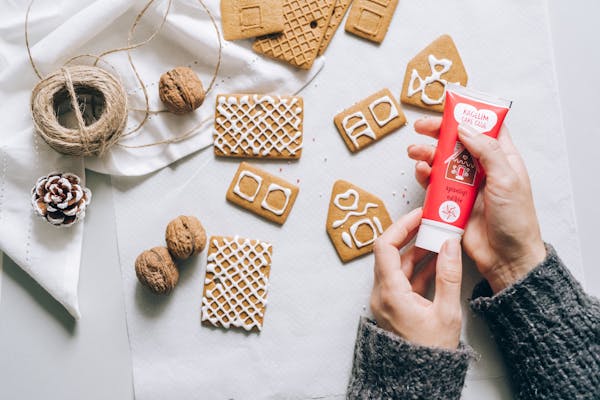
Construisez une maison en pain d'épices avec vos amis.
Accrochez des chaussettes de Noël pour décorer votre maison.
Jouez au bingo des films de Noël pendant votre soirée cinéma.
Assistez à un spectacle communautaire festif à petit prix. À Amsterdam, les théâtres locaux tels que le Badhuistheater ou les salles intimistes comme De Kleine Komedie proposent souvent des spectacles saisonniers, des lectures ou des événements de contes à des prix modiques. À Londres, pensez à assister à des messes de Noël ou à des concerts aux chandelles dans des lieux tels que St Martin-in-the-Fields, l'abbaye de Westminster ou St Paul's. Beaucoup sont organisés par la communauté et sont peu coûteux ou fonctionnent sur la base de dons. À Dublin, gardez un œil sur les chorales communautaires telles que la Culwick Choral Society ou les concerts de chants de Noël à la lueur des bougies dans les églises et les centres culturels. Ceux-ci offrent généralement des expériences musicales festives à des prix abordables.
Organisez un concours festif de décoration de biscuits.
Fabriquez des crackers de Noël maison.
Créez un calendrier de l'Avent DIY à partir de matériaux recyclés.
Apprenez à préparer du vin chaud ou du cidre chaud traditionnel.
Organisez un atelier de fabrication de couronnes à partir de végétaux cueillis dans la nature.
Visitez une installation artistique éphémère hivernale ou un jardin illuminé.
Assistez à un spectacle de pantomime dans un théâtre local.
Fabriquez des étiquettes cadeaux personnalisées à partir de chutes de papier.
Organisez une soirée quiz festive avec des questions et des prix sur le thème des fêtes.
Créez vos propres cocktails ou mocktails sur le thème de Noël.
Construisez un fort de neige ou une sculpture de glace si vous avez accès à de la neige.
Suivez un cours de pâtisserie de Noël axé sur la bûche, le stollen ou le panettone.
Réalisez des centres de table à partir de matériaux naturels tels que des pommes de pin et du houx.
Faites une excursion d'une journée en train pour visiter le marché de Noël ou le festival d'hiver d'une ville voisine. Découvrez les meilleurs marchés de Noël à Londres et Amsterdam!
Regardez un concert ou une prestation chorale de Noël diffusé en direct.
Lisez à haute voix un classique de Noël avec vos amis, comme Le Conte de Noël de Dickens.
Écrivez des mots de remerciement aux personnes qui ont rendu votre année spéciale.
Décorez une petite plante d'intérieur ou un palmier pour en faire un mini sapin de Noël festif.
Fabriquez des flocons de neige en papier pour les offrir comme petites décorations.
Fabriquez des couronnes ou des chapeaux en papier simples à porter lors du repas de Noël.
Préparez des confitures, des chutneys ou des conserves maison à offrir en cadeau.
Écrivez un poème ou une nouvelle sur le thème de Noël et partagez-le lors d'une réunion.
Regardez le défilé du jour de Noël à la télévision ou en ligne.
Organisez un échange de livres sur le thème de l'hiver ou des fêtes.
Apprenez une danse traditionnelle de Noël ou inventez votre propre chorégraphie festive.
Assistez à un parcours de sculptures lumineuses, à un spectacle de projection mapping ou à un festival des lanternes.
Fabriquez des sels de bain ou des bougies parfumés à Noël pour offrir en cadeau.
Organisez une soirée micro ouvert avec des chansons festives, de la poésie ou du stand-up.
Cousez facilement des décorations de Noël à partir de feutrine ou de chutes de tissu.
Créez des mots croisés ou des mots cachés sur le thème de Noël et mettez vos amis au défi.
Apprenez à jouer un morceau classique de Noël sur l'instrument de votre choix.
Visitez une église ou un bâtiment historique pour admirer ses décorations festives.
Créez un bocal à souvenirs dans lequel les invités pourront écrire et partager leurs moments préférés.
Installez un photomaton festif avec des accessoires faits maison pour prendre des photos de groupe.
Préparez des mince pies maison.
Habillez-vous de couleurs festives pendant toute la semaine de Noël.
Participez à une soirée micro ouvert locale où l'on partage des légendes de Noël et des histoires de fantômes.
Visitez l'exposition de Noël du musée lors de sa soirée festive gratuite.
Faites du bénévolat pour aider à décorer une salle communautaire ou une école pour les fêtes de Noël.
Lancez un défi inversé de l'Avent en laissant chaque jour anonymement une petite friandise festive à quelqu'un.
Organisez une chorale surprise dans un bus ou un train.
Organisez une dégustation abordable de bières de Noël ou de stouts d'hiver dans le salon. Amsterdam, Londres et Dublin sont des villes idéales pour découvrir de nouvelles bières, chacune avec une scène brassicole dynamique. Amsterdam propose des bières inventives dans des endroits comme Brouwerij 't IJ, Londres regorge de bières artisanales populaires comme Beavertown, et Dublin va au-delà de la Guinness avec des étoiles montantes comme Whiplash et Rascals.
Créez un calendrier de l'Avent avec une petite tâche à accomplir chaque jour.
Fabriquez une chaîne en papier pour les douze jours de Noël, en ajoutant chaque jour un maillon avec quelque chose pour lequel vous êtes reconnaissant.
Organisez chaque jour au petit-déjeuner un chant de Noël ou un partage d'anecdotes festives dans le cadre des « 12 jours de Noël ».
Fabriquez un mobile de Noël à suspendre à l'aide de brindilles, de ruban et de petites décorations.
Organisez un échange de livres de Noël emballés où chacun choisit une histoire festive mystérieuse.
Fabriquez une boule à neige miniature de Noël dans un bocal avec de l'eau, des paillettes et de petites figurines.
Créez une playlist regroupant des artistes de rue locaux interprétant des chants de Noël et partagez-la avec tout le monde.
Apprenez à plier les serviettes en forme d'arbres de Noël et d'étoiles pour créer une décoration de table festive.
Organisez un cercle de contes de Noël où chaque personne ajoute une ligne à une histoire festive qui s'allonge au fur et à mesure.
Organisez une soirée d'écoute de podcasts sur le thème de Noël ou de pièces radiophoniques festives.
Décorez des lanternes en papier pour créer une exposition de lanternes de Noël.
Préparez et glacez un gâteau festif en mosaïque à l'aide d'un glaçage royal coloré.
Installez un bar à chocolat chaud avec des épices et des sirops festifs inhabituels à déguster.
Commencez à noter chaque jour une anecdote festive sur un tableau blanc avec des questions-réponses sur Noël.
Organisez un concours de nouvelles flash pour des contes de Noël de 100 mots.
Concevez et résolvez un mot croisé sur le thème de Noël.
Apprenez à glacer des biscuits de Noël à l'aide des techniques classiques de décoration au glaçage royal.
Préparez des marque-places comestibles, des étiquettes nominatives en biscuit pour chaque invité du repas de Noël.
Filmez un rap ou une chanson parodique de Noël en collaboration.
Participez à un échange festif Postcrossing en envoyant des cartes postales festives à des inconnus à travers le monde.
En résumé
Voilà, vous avez maintenant une joyeuse sélection d'idées de choses à faire à Noël, festives et abordables, conçues pour rassembler les voyageurs. Que vous décidiez de vous installer confortablement avec un chocolat chaud et de chanter des chants de Noël, d'échanger des décorations faites à la main ou d'explorer les marchés animés, l'important est de profiter des festivités. Alors essayez quelque chose de nouveau parmi cette liste d'idées de choses à faire à Noël et créez des souvenirs qui resteront gravés dans votre mémoire longtemps après que le sapin de Noël aura été rangé.
Laissez-nous vous aider à créer des souvenirs de Noël
Séjournez dans les auberges Clink Hostels à Amsterdam, Dublin ou Londres et réalisez tous vos rêves de Noël. Des soirées cinéma communes aux échanges de cadeaux Secret Santa, vous trouverez l'endroit idéal pour faire la fête, rencontrer des gens et vous détendre après une journée de festivités. Réservez votre séjour dès aujourd'hui et commencez à créer des souvenirs de Noël que vous chérirez pendant de nombreuses années.
Dublin is renowned for its lively New Year’s Eve celebrations, offering a perfect mix of traditional charm and unforgettable festivities. From dazzling fireworks to energetic street parties and cosy pub gatherings, the city knows how to ring in the New Year in style.
If you’re seeking budget-friendly fun, this guide will help you make the most of New Year’s Eve in Dublin without breaking the bank.
Why Spend New Year’s Eve in Dublin?
Dublin is an amazing place to spend New Year’s Eve. The city offers a perfect mix of lively celebrations, traditional Irish charm, and a vibrant nightlife that makes ringing in the New Year unforgettable!
Dublin’s compact size means you can explore plenty of events, from concerts to parties, without the hassle of long commutes. Plus, the friendly atmosphere and love for a good time make it easy to meet new people and celebrate together. Whether you’re into live music, late-night parties, or soaking up the festive energy, Dublin is an ideal spot for New Year’s Eve.
Ring in 2025 with the Countdown Concert at Dublin Castle, headlined by Cork singer-songwriter Cian Ducrot as part of the New Year’s Festival Dublin. This special event will feature performances from Ducrot, following his incredible year of success, alongside talented guests like Aby Coulibaly, Kabin Crew, and Saibh Skelly. Tickets are priced at €49.90, and the concert promises an unforgettable night of live music and celebration in the heart of Dublin. Don’t miss this chance to experience Ireland’s biggest New Year’s celebration!
Where to Watch the NYF Dublin 2024 Fireworks
If you’re looking to catch the fireworks during New Year’s Eve in Dublin, you’ll have two stunning displays to choose from as part of the NYF Dublin Fireworks Spectacular. The fireworks will take place at Howth Harbour and Dun Laoghaire Harbour, lighting up the sky at 8pm. Both are family-friendly and free to attend, offering fantastic viewing points from Howth Pier Park and along Harbour Road, as well as from Sandycove to Dún Laoghaire Town.
Affordable NYE Parties in Dublin
For an affordable and lively New Year’s Eve in Dublin, check out these great parties:
Whelan’s: Known for its live music, Whelan’s is hosting a New Year’s Eve bash, all for just €10. A great spot if you’re looking for a relaxed, music-filled night. Book now
Rascals Brewing Company: Enjoy craft beers, live music, and a lively atmosphere at Rascals Brewing Company’s New Year’s Eve party for just €15.10. A perfect way to ring in the new year with great drinks and friends. Book now
Fitzsimons: Overlooking the famous Temple Bar, Fitzsimons is hosting a NYE party with live music, DJs, and rooftop views of Dublin. Tickets start at just €38.52, making it a great value for a central Dublin celebration. Book now
Where to Eat and Drink on a Budget During Dublin NYE
Enjoying the Dublin New Year doesn’t have to be expensive. Here are some budget-friendly spots for food and drink:
Pubs with Affordable Eats: For reasonably priced traditional Irish fare, visit The Brazen Head or The Norseman. Both offer hearty meals like Irish stew and fish and chips, providing a cosy environment to enjoy a bite before heading out for the night.
Casual Dining Options: If you’re looking for a more relaxed dining experience, try Boojum for delicious burritos or Dublin Pizza Company for affordable, tasty pizzas. Both are popular with locals and offer excellent value for money, especially on Dublin New Year’s Eve.
Affordable Drinks: If you’re looking for affordable spots to grab a drink this New Year’s Eve in Dublin, make sure to visit The Hairy Lemon for its lively atmosphere, or The Celt for some great live music..
Transport Tips for New Year’s Eve in Dublin
Thanks to its well-organised transport system, getting around Dublin on New Year’s Eve is easy. Here are the best options:
Public Transport: Dublin Bus extends its services on New Year’s Eve to accommodate late-night travellers. The LUAS (light rail) also operates late, providing quick access to key areas across the city. Be sure to check the schedules for special routes. If you’re heading to the Howth Harbour or Dun Laoghaire Harbour fireworks displays, The DART train service will take you directly to both locations, with regular trains running to Howth and Dun Laoghaire. Check schedules for more information.
Taxis: Taxis are widely available throughout Dublin, but booking in advance is advisable as demand surges during Dublin New Year celebrations.
Walking: Dublin is a compact city, and many Dublin New Year’s Eve events are within walking distance. Take advantage of this by strolling through the city’s historic streets, soaking in the festive lights and holiday decorations.
Weather in Dublin on New Year’s Eve
Dublin’s weather at the end of December is chilly and often damp, so be prepared! Temperatures typically range between 3°C and 8°C (37°F-46°F), and rain is not uncommon. Wearing layers is key: think warm jackets, waterproof shoes, and scarves or hats to keep cosy as you celebrate outside. The cold weather won’t stop the party, but you’ll enjoy yourself a lot more if you dress for the occasion.
Are There New Year’s Traditions in Dublin?
New Year’s traditions in Dublin are unique, reflecting the city’s rich culture. Here are a few you might notice:
Countdown Concert: Many locals and visitors gather for a countdown concert in the heart of the city, featuring live music and entertainment leading up to the New Year.
First Footing: It’s customary for the first person to enter a home after midnight to bring good luck, often referred to as “first footing.” This person typically carries symbolic gifts like coal or bread.
En résumé
Dublin is a fantastic destination to ring in the New Year, known for its unforgettable festivities and lively pubs. Whether you’re planning to dance the night away or join a lively pub crawl without breaking the bank, the city offers a little something for everyone. To enhance your NYE experience, consider booking a stay at Clink i Lár, which puts you right in the heart of the celebrations. And if you’re looking for group accommodation in Dublin to celebrate with family and friends, we’ve got you covered too!
Foire aux questions
Is it expensive to spend NYE in Dublin?
Spending New Year’s Eve in Dublin can vary in cost depending on how you plan to celebrate. While some events and restaurants can be pricey, there are plenty of affordable festivities (see our list above). For budget-friendly accommodation, you can stay at our friendly hostel Clink i Lár, located right in the heart of Dublin.
What should I wear for New Year’s Eve in Dublin?
Dublin in December can be cold and damp, so dress in layers. Make sure to bring a warm coat, comfortable shoes, and perhaps a festive accessory like a party hat or sparkly scarf to join in the New Year spirit.
Is public transport free on New Year’s Eve in Dublin?
No, public transport is not free on New Year’s Eve in Dublin, but services do run later than usual. It’s advisable to check the Dublin Bus and LUAS websites for the exact timetable.
Can I bring my own alcohol to public New Year’s Eve events in Dublin?
No, bringing your own alcohol to public events is generally not permitted. However, most venues will have bars where you can purchase drinks.
Hey there, park lovers, get ready to explore the 13 best parks in Dublin! From sprawling green spaces to charming urban oases, Dublin’s parks have something for everyone. If you’re into picnics, leisurely strolls, or just soaking up some sunshine, you’re in for a treat. So grab your walking shoes and your sense of adventure, because we’re about to embark on a journey through Dublin’s most famous parks!
The 13 Parks in Dublin You Need to Visit
Let’s dive into the list of the 13 flagship parks that make Dublin so enjoyable when the weather is nice. Follow us!
1. Phoenix Park
Phoenix Park is one of the largest city parks in Europe, and there’s so much to see and do here. You can rent bikes and cycle around the winding paths, keeping an eye out for the resident deer that roam freely. Don’t miss the President’s official residence, Áras an Uachtaráin, Dublin Zoo, or explore the beautiful Victorian gardens. There’s something for everyone to enjoy in Phoenix Park, making it a must-visit park in Dublin.
The National Botanic Gardens in Glasnevin are a magical wonderland full of colourful blooms. Everywhere you look, there are flowers in every shade imaginable, and the air is filled with the buzzing of bees and the chirping of birds. Take a leisurely stroll through the peaceful pathways, and don’t forget to check out the stunning glasshouses, where you can see exotic plants from all over the world. It’s a botanical paradise!
3. St Anne’s Park
Get ready for adventure at St Anne’s Park! Spanning about 240 acres and crossed by the small Naniken River, this sprawling green space offers many activities. Wander along tree-lined avenues, enjoy wide-open lawns for frisbee, and discover hidden treasures like the charming rose garden or picturesque duck pond. Don’t miss Dublin’s city arboretum, the Millennium Arboretum, boasting 1,000 varieties of trees nestled within the park!
4. Irish National War Memorial Park
The Irish National War Memorial Park is a poignant reminder of Ireland’s military past, with beautifully landscaped gardens and memorials honouring the 49,400 Irish soldiers who gave their lives during the First World War. Take a moment to reflect amidst the serene surroundings, or wander through the park. It’s a place of remembrance where the sacrifices of the past are never forgotten.
5. St. Stephen’s Green
St Stephen’s Green is a calm oasis nestled in the heart of Dublin. Trees provide welcome shade as you wander through this peaceful park. Don’t miss the iconic Fusiliers’ Arch at the park’s entrance, one of Dublin’s landmarks. Whether you’re feeding the ducks, reading on a bench, or enjoying a leisurely stroll, St Stephen’s Green is the ideal spot for a relaxing afternoon in the city.
6. Formal Garden, Royal Hospital, Kilmainham
Step back in time at the Formal Garden of the Royal Hospital! This meticulously manicured garden is like something out of a fairy tale, with its perfectly trimmed hedges and colourful flower beds. It’s the ideal spot for a romantic stroll or a quiet moment of contemplation amidst the historic surroundings. Plus, don’t forget to visit the nearby Irish Museum of Modern Art (IMMA) for a dose of contemporary culture!
7. Herbert Park
Herbert Park is such a gem! It’s a lovely green space tucked away in Ballsbridge (south Dublin), perfect for a peaceful escape from the city life. The park is beautifully landscaped, with mature trees and a picturesque pond where you can watch the swans glide gracefully across the water. There are benches scattered around, making it a great place to sit and read a book or just enjoy the sunshine.
8. Iveagh Gardens
Prepare to be enchanted at Iveagh Gardens! Tucked away in the heart of the city, this hidden gem is a peaceful retreat from the urban hustle and bustle. The gardens are like a secret garden straight out of a fairy tale, with lush greenery and charming nooks just waiting to be discovered. Sit by the waterfall and listen to the soothing sound of water, or wander through the maze of hedges and see if you can find your way out.
9. Merrion Square
Merrion Square is full of history. It’s surrounded by elegant Georgian townhouses and is home to some interesting statues and monuments, including a famous one of Oscar Wilde lounging on a rock. The park itself is a peaceful retreat, with neatly manicured lawns, colourful flower displays, and plenty of space to relax and unwind. Keep an eye out for the lunchtime crowds enjoying a break from work, or the artists set up with their easels capturing the beauty of the surroundings.
North Bull Island is a nature lover’s paradise! Just a stone’s throw from the city centre, this UNESCO biosphere reserve boasts sandy beaches and a rich diversity of wildlife. Take a leisurely stroll along the shoreline, spot some seabirds, or simply soak up the stunning views of Dublin Bay. It’s the perfect spot to feel like you’re on holiday!
11. Garden of Remembrance (Parnell Square)
The Garden of Remembrance is a place of quiet reflection. Tucked away in the heart of Dublin, this memorial park honours those who fought for Irish independence. As you walk through the peaceful garden and discover the sunken cruciform water-feature and the statue of the Children of Lir, you can’t help but feel a sense of reverence for the sacrifices made by generations past.
12. St. Patrick’s Park
St. Patrick’s Park is a hidden gem nestled in the heart of Dublin’s city centre, next to St Patrick’s Cathedral. With its lush green lawns, charming flower beds, and peaceful pathways, it’s the perfect urban oasis. Take a seat on one of the park benches and watch the world go by.
Father Collins Park is Ireland’s first wind-powered and sustainable public park. How cool is that? Situated in Donaghmede, this modern park is perfect for a day out. Its soccer pitches and skate park offer entertainment for sports enthusiasts, and the park’s eco-friendly design and lush greenery make it a fantastic spot for a leisurely stroll, or a peaceful picnic with family and friends.
Foire aux questions
How many parks are there in Dublin?
Dublin has 13 big, famous parks, and there are 287 smaller ones too, all managed by the city council.
What is the most famous park in Dublin?
Phoenix Park is Dublin’s most famous park, and for good reason. It’s massive and has a lot to offer. You can explore the greenery, see some deer, visit the President’s house at Áras an Uachtaráin, and admire the lovely Victorian gardens among others.
What is the largest park in Dublin?
The largest park in Dublin is Phoenix Park (707 hectares), followed by St Anne’s Park (about 97 hectares).
Are there events held in Dublin’s parks throughout the year?
Yes, events are regularly held in Dublin’s parks throughout the year. These events range from concerts like outdoor summer concerts in Phoenix Park and festivals to markets such as food and craft markets held in St. Anne’s Park or Merrion Square, and community gatherings like St. Patrick’s Day events.
Are there Dublin parks that are not flagship parks worth visiting?
While the flagship parks steal the spotlight, Dublin has plenty of other parks that are totally worth checking out like Marlay Park or Bushy Park. They may not be as famous, but they’ve got their own charm and are perfect for a relaxing day out or a leisurely stroll. So don’t hesitate to explore beyond the big names and discover some hidden gems!
En résumé
So, what are you waiting for? Come on down, soak up the fun, and make some memories in the heart of Dublin’s best parks. And hey, while you’re here, why not make the most of your trip and stay at our hostel in Dublin, Clink i Lár? We’d love to welcome you and make your Dublin experience even more unforgettable! Looking for group accommodation in Dublin? Don’t look any further, we’d be really happy to host you all!
Get ready to embark on an exciting journey through the wonders of Ireland! Known as the Emerald Isle, Ireland is a place of stunning beauty, fascinating history, and lively culture that will leave you enchanted at every turn. If you’re dreaming of exploring ancient castles, sipping creamy pints of Guinness in cosy pubs, or dancing to traditional music in quaint villages, Ireland has something special for everyone.
Join us as we dive into the heart of this magical land, uncovering its famous sights, cherished traditions, and delightful surprises along the way. Get ready to fall in love with the charm and spirit of Ireland!
25 Things Ireland is famous for
From its lush landscapes and rich history to its renowned literature and lively music scene, Ireland is celebrated for an array of iconic elements that capture the hearts of travellers around the globe. Let’s embark on a journey to uncover the 25 things that make Ireland truly special and unforgettable.
1. Green landscapes
Imagine rolling hills covered in lush, emerald-green grass stretching as far as the eye can see. You’ll find picturesque scenes around every corner, from the iconic Cliffs of Moher with their dramatic coastal views to the serene beauty of the Wicklow Mountains.
Take a stroll through the Irish countryside, and you’ll encounter charming villages nestled among verdant valleys, where sheep graze peacefully in the meadows. Even the cities, like Dublin and Belfast, are dotted with parks and gardens bursting with vibrant greenery. No wonder Ireland is often called the Emerald Isle!
St. Patrick’s Day is a day when the streets come alive with parades, music, and laughter. From Dublin to Belfast, everyone joins in the celebration, wearing their finest green attire and sporting shamrock decorations. You can feel the excitement in the air as people gather to watch the colourful processions wind their way through the cities, showcasing Irish culture and heritage.
But it’s not just about the festivities: St. Patrick’s Day is a time for family and friends to come together, share stories, and create memories. If you’re enjoying a traditional Irish meal, raising a pint of Guinness, or simply soaking in the lively atmosphere, St. Patrick’s Day in Ireland is an experience you’ll never forget!
Guinness is more than just a beer, it’s a symbol of Irish pride and craftsmanship. Picture yourself in an Irish pub, surrounded by friendly faces and the comforting aroma of roasted barley. With its smooth, creamy texture and rich, malty flavour, Guinness is a taste of tradition in every sip. And it’s not just about the taste, Guinness brings people together, sparking conversations and creating unforgettable moments. So raise your glass and toast to the magic of Guinness!
Picture yourself in a cosy pub, surrounded by the infectious rhythms of traditional jigs and reels. The fiddle weaves its melody, while the tin whistle dances alongside, and the bodhrán sets the beat like a heartbeat of the music. From the haunting strains of a sean nós ballad to the foot-stomping tunes of a céilí band, Irish music speaks to the soul and brings people together in celebration.
Artists like The Chieftains, The Dubliners, and Clannad have brought Irish music to the world stage, captivating audiences with their talent and passion. Additionally, more modern musicians like U2, Hozier, Snow Patrol, Glen Hansard, and Damien Rice continue to carry the torch, appealing to audiences both at home and abroad.
5. Welcoming people
Known for their friendly demeanour and quick wit, the Irish have a way of making you feel right at home, no matter where you’re from. Whether you’re chatting with locals in a pub or sharing stories over a cup of tea, you’ll be struck by their warmth and hospitality.
Irish people take pride in their culture and heritage, sharing it with a sense of joy and camaraderie. And it’s not just about the craic, Irish people are resilient and resourceful, with a spirit that’s as strong as the cliffs along the coast.
6. Literature
It begins with the lyrical poetry of W.B. Yeats, whose verses transport readers to the mystical landscapes of Ireland’s past. Then there’s the groundbreaking works of James Joyce, whose masterpiece “Ulysses” is a journey through the streets of Dublin unlike any other.
As time marches on, modern writers like Oscar Wilde inject their own wit and wisdom into the literary canon, with works like “The Importance of Being Earnest” standing as timeless classics of humour and satire. Seamus Heaney, who won a Nobel Prize, is known for his poems that beautifully capture the culture and history of Ireland.
Fast forward to the present day, and we find contemporary voices like Sally Rooney, Colm Tóibín, and Anne Enright pushing the boundaries of Irish literature with their exploration of love, identity, and belonging. Each writer adds a unique chapter to the story of Irish literature, weaving together a tapestry of tales that resonate across generations and continents.
7. Irish dance
Picture yourself at a céilí (from the Gaelic word for ‘gathering’), where dancers come together to share the joy of traditional Irish dance. With their fast-paced steps and lively movements, they captivate audiences around the world.
From the graceful movements of soft shoe dances like the reel and jig to the thunderous beats of hard shoe dances like the treble jig and hornpipe, Irish dance is a celebration of skill, precision, and passion. And who could forget the global sensation of Riverdance, which brought Irish dance to the forefront of international stages, dazzling audiences with its electrifying performances and innovative choreography?
8. Irish actors
From the unforgettable performances of actors like Maureen O’Hara and Richard Harris to the stars of today like Saoirse Ronan and Colin Farrell, Irish talent shines bright in the world of film and television.
Imagine yourself drawn into the captivating presence of actors like Ronan, known for her acclaimed performances, such as “Brooklyn” and “Lady Bird.” Colin Farrell’s magnetic charm and versatility across a range of roles add to Ireland’s Hollywood legacy, seen in films like “In Bruges” and “The Lobster.” And who could forget the iconic Liam Neeson, whose powerful performances have made him a beloved figure on the big screen in movies like “Schindler’s List” and “Taken”?
9. The Irish accent
From the soft consonants and broad vowels of the Cork accent to the distinctive lilt of the Donegal dialect, each region of Ireland has its own unique flavour and flair. The Northern Irish accent stands out with its sharp, rhythmic intonation, adding yet another layer to the rich tapestry of sounds across the island. And let’s not forget the colourful Irish slang that adds a touch of wit and charm to everyday conversation!
10. Irish movies
From beloved classics like “The Quiet Man,” with its sweeping romance set against the backdrop of the Irish countryside, to modern masterpieces like “The Commitments,” which pulse with the rhythm and soul of Dublin’s music scene, Irish movies offer a rich array of storytelling that resonates with audiences around the world. Noteworthy among these is the Northern Irish film “Hunger,” directed by Steve McQueen, which powerfully portrays the historical 1981 hunger strike.
And let’s not forget the indelible mark left by filmmakers like Neil Jordan, Kenneth Branagh, and Jim Sheridan, whose work has earned acclaim and accolades on the international stage.
11. Rugby
From the bone-crunching tackles to the electrifying tries, rugby in Ireland is a showcase of skill, strength, and determination. Whether it’s the fierce rivalry of the Six Nations, where Ireland battles it out with the best teams in Europe, or the excitement of the Rugby World Cup, where nations from around the globe come together in competition, rugby unites supporters in excitement and national pride.
And let’s not forget the legendary players who have donned the green jersey over the years, from icons like Brian O’Driscoll, Paul O’Connell and Rory Best to modern-day stars like Johnny Sexton and Tadhg Furlong, whose talent and dedication inspire a new generation of players.
12. Gaelic games
From the thrill of a perfectly struck sliotar sailing over the bar to the exhilaration of a well-timed goal, Gaelic games are a showcase of skill, passion, and camaraderie. Legends like Henry Shefflin and Joe Canning have left their mark on hurling, while football icons like Colm Cooper and Michael Murphy inspire fans nationwide.
Whether it’s the excitement of the All-Ireland Championships, where counties battle it out for glory on the national stage, or the grassroots matches played in towns and villages across the country, Gaelic games hold a special place in the hearts of Irish sports enthusiasts.
13. Horse racing
Horse racing in Ireland is a thunderous symphony of hooves pounding the turf, drawing crowds from far and wide to witness the excitement and drama of the track. Picture yourself at the iconic Curragh Racecourse or the historic Leopardstown Racecourse, surrounded by the buzzing atmosphere of race day. And in Northern Ireland, the Ulster Derby at Down Royal Racecourse stands as a highlight, showcasing some of the finest flat racing in the region.
Whether you’re a seasoned punter or a casual spectator, horse racing in Ireland promises an unforgettable experience filled with adrenaline and excitement.
14. Irish whiskey
Irish whiskey embodies centuries-old tradition and craftsmanship, inviting you to explore Ireland’s distilling heritage. Whether you’re in a cosy Irish pub or a historic distillery, the aromas of malted barley and oak barrels envelop you. Each sip offers a symphony of flavour, from smooth, velvety textures to robust, spicy notes.
With options like single malt or blended whiskey, there’s something for every taste. Jameson, Bushmills, and Midleton are among the renowned distilleries known for their commitment to quality. So toast to Ireland’s spirit, where every drop tells a story of tradition, passion, and whiskey-making artistry!
15. Irish pubs
Irish pubs are like cosy havens where time slows down and stories flow as freely as the stout. Picture yourself stepping through the door of a traditional pub with its warm, welcoming atmosphere and friendly faces. From the polished wooden bar to the crackling fire in the hearth, every detail is designed to make you feel right at home.
Whether you’re enjoying a pint of Guinness poured with care or sampling a fine whiskey from the extensive selection behind the bar, Irish pubs offer a taste of hospitality that’s second to none. And it’s not just about the drinks, it’s the lively conversations, the toe-tapping music sessions, and the sense of camaraderie that make every visit an experience to remember.
Sheep are a familiar sight, grazing peacefully and adding to the timeless charm of the Irish countryside. Whether they’re grazing on lush grass or seeking shelter from the elements in the shade of a stone wall, sheep are an integral part of rural life in Ireland, providing wool, meat, and milk to sustain both farmers and communities.
And let’s not forget the iconic Irish sheepdog, whose skill and agility are legendary in the world of herding. So next time you find yourself in the Irish countryside, take a moment to appreciate the gentle beauty and quiet strength of these woolly wonders!
17. Leprechauns and folklore
From mischievous leprechauns guarding their pots of gold at the end of the rainbow to benevolent banshees warning of impending doom, Irish folklore is a rich tapestry of myths and legends that captivates the imagination and stirs the soul.
Whether you’re listening to stories passed down through generations or exploring ancient ruins said to be haunted by spirits of the past, there’s a sense of wonder and enchantment that pervades the Irish landscape.
18. Shamrocks
Shamrocks in Ireland symbolise luck and heritage, their delicate leaves representing the spirit of the Emerald Isle. Imagine strolling through a sunlit meadow, where vibrant green shamrocks cover the ground like nature’s confetti. Shamrocks evoke Irish pride, linked to St. Patrick and the Holy Trinity. Whether on St. Patrick’s Day lapels or in bouquets, they signify luck, hope, and connection to the land.
19. Castles and ruins
Ireland’s castles and ruins tell tales of its rich history. From Blarney Castle, where kissing the stone is said to grant eloquence, to Dunluce Castle perched on a cliff’s edge, these sites offer a glimpse into the past. Exploring medieval strongholds and ancient monastic sites evokes a sense of awe. Legends and stories add to their mystique. Whether you’re a history buff, romantic, or curious traveller, Ireland’s castles and ruins beckon, offering a window into the past.
20. The Celtic cross
The Celtic cross in Ireland is a symbol of faith, culture, and history. It’s commonly seen in churchyards and ancient sites, evoking spiritual connection. With its unique design and symbolism, including the ring at its centre, it represents eternity and unity. Whether at a sacred site or on jewellery, the Celtic cross reflects Ireland’s cultural heritage.
21. Rain
Rain in Ireland is a common occurrence, painting the landscape in shades of green and nourishing the earth. Whether it’s a misty morning or an afternoon shower, rain adds to the Irish experience. Whether you’re in the countryside or the city, the rhythm of the rain offers a moment of quiet reflection. And who can forget the beauty of a rainbow after a gentle rain? So next time you feel a drop, embrace the moment and let the rain wash away your worries.
22. Irish language (Gaeilge)
The Irish language, Gaeilge, is deeply ingrained in Irish culture, connecting people to their heritage. Whether spoken by native speakers or learned by enthusiasts, Gaeilge is a celebration of tradition and storytelling. From ancient manuscripts to modern conversations, it breathes life into the landscape. Whether you’re a fluent speaker or just starting out, embracing Gaeilge means embracing Ireland’s spirit. And with a vibrant revival movement, the language continues to thrive for future generations to enjoy.
23. Irish food
Irish food is known for its comforting flavours and rustic charm, inviting you to enjoy the taste of tradition. Whether it’s a bowl of creamy colcannon or a plate of hearty Irish stew, each bite warms the soul. From freshly baked soda bread to a pint of Guinness, Irish cuisine celebrates simple, honest cooking.
Whether you’re craving smoked salmon or black pudding, there’s something for every palate. And in traditional Irish pubs, friends gather to share stories over fish and chips or beef and Guinness stew. Whether you prefer traditional fare or modern twists, every meal in Ireland is a celebration of community and culture.
24. Irish coffee
Irish coffee, a comforting treat on a chilly day, is made with a rich blend of freshly brewed coffee, Irish whiskey, and cream. Each sip offers a symphony of flavours that warm you up from the inside out. Whether enjoyed as a morning pick-me-up or a relaxing nightcap, its delicious taste and artful pour of cream on top create a delightful experience. Whether you’re sipping it in a café or making it at home, Irish coffee embodies Ireland’s warm hospitality and convivial spirit.
25. Irish Cities
Ireland’s cities are welcoming and full of life. Dublin is famous for its friendly pubs and rich history, including the old Trinity College and the famous Guinness Storehouse. In the north, Belfast, known for its Titanic museum, showcases its shipbuilding history and has beautiful street art that tells stories of the city’s past. Both Dublin and Belfast are perfect places to explore, offering a mix of old-world charm and modern excitement.
Ireland is famous for its stunning landscapes, rich history, vibrant culture, and warm hospitality. It’s known for its lush green countryside, iconic landmarks such as the Cliffs of Moher and Giant’s Causeway, traditional music and dance, literature, whiskey, and much, much more.
What are the political divisions that make up the island of Ireland?
The island of Ireland consists of two political entities: the Republic of Ireland and Northern Ireland. The Republic of Ireland occupies most of the island, comprising 26 counties, while Northern Ireland, part of the United Kingdom, includes 6 counties. Together, these two regions form the 32 counties of the island of Ireland, each with its own unique cultural and historical significance.
What are some must-visit places in Ireland?
Some must-visit places in Ireland include the Cliffs of Moher, the Ring of Kerry, Dublin’s Trinity College, and the Guinness Storehouse. In Northern Ireland, don’t miss the Giant’s Causeway and the nearby Bushmills Distillery. These spots, along with the scenic Wild Atlantic Way, highlight Ireland’s beautiful landscapes and rich history.
What is the significance of St. Patrick’s Day in Ireland?
St. Patrick’s Day is a celebration of Ireland’s patron saint, Saint Patrick, and Irish culture and heritage. It’s marked with parades, festivals, music, dance, and wearing green attire to honour the saint and Irish identity.
What are some famous Irish musicians and bands?
Famous Irish musicians and bands include U2, The Cranberries, Van Morrison, Enya, Hozier, Snow Patrol, Glen Hansard, and The Dubliners.
What makes Irish literature unique?
Irish literature is known for its rich storytelling, poetic language, and exploration of themes such as identity, history, and folklore. Famous Irish writers include James Joyce, W.B. Yeats, Oscar Wilde, Maeve Binchy, and Seamus Heaney.
What distinguishes Irish whiskey from other types of whiskey?
Irish whiskey is known for its smoothness, triple distillation process, and use of both malted and unmalted barley. It has a lighter flavour profile compared to Scotch whisky and is typically enjoyed neat, on the rocks, or in cocktails like the Irish Coffee.
What are Gaelic games, and why are they significant in Ireland?
Gaelic games include Gaelic football, hurling, camogie, and handball. They’re significant in Ireland as traditional sports deeply ingrained in Irish culture, played at both local and national levels, and are a source of community pride and identity.
What role do Irish pubs play in Irish culture?
Irish pubs are central to Irish social life, serving as gathering places for locals and visitors to enjoy music, conversation, and traditional food and drink. They’re known for their warm atmosphere, live music sessions, and sense of community.
What are some iconic symbols of Ireland?
Iconic symbols of Ireland include the shamrock (a symbol of luck and St. Patrick), the Celtic cross (representing faith and heritage), and the Claddagh ring (a traditional Irish ring symbolising love, loyalty, and friendship).
What is the significance of the Celtic cross in Ireland?
The Celtic cross is a symbol of Irish heritage and Christianity, with its distinctive design incorporating a ring around the intersection of the cross arms. It’s associated with Irish monastic art and is often seen in Irish cemeteries and religious sites.
En résumé
As we wrap up our adventure through the wonders of Ireland, we’re thrilled to extend a special invitation to you: join us at Clink I Lár Hostel in Dublin for an unforgettable stay! Tucked right in the heart of the city, our cosy hostel is the perfect home base for your Irish escapades. And if you’re looking for group accommodation in Dublin, we’ve got you covered too!
Whether you’re itching to explore Dublin’s iconic landmarks, soak in the lively vibes of Temple Bar, or set off on countryside adventures, Clink i Lár is here to make your trip unforgettable. With comfy accommodations and a friendly atmosphere, we’re all about making your stay as fantastic as possible. So, what are you waiting for? Come be a part of the magic: book your stay with us today and get ready for the adventure of a lifetime in the Emerald Isle!
Looking for the best beaches in Dublin to enjoy some sun, sand, and sea? You’re in luck! Dublin may not be the first place that comes to mind when you think of beaches, but this bustling city is home to some hidden gems along its coastline.
From sandy stretches perfect for picnics to rocky coves begging to be explored, Dublin’s beaches offer a little something for everyone. If you’re looking to catch some waves, take a leisurely stroll, or simply relax and soak up the coastal scenery, Dublin’s beaches are sure to delight. So, grab your sunscreen and towel, and let’s explore the top beaches Dublin has to offer!
Are there nice beaches in Dublin?
Yes, there are some really nice beaches in Dublin! While they might not have the tropical vibe of some beaches around the world, Dublin’s beaches have their own unique charm. They offer beautiful coastal views, sandy stretches for sunbathing and picnics, and even some spots for watersports. So, if you’re looking for a fun day by the sea, Dublin’s beaches won’t disappoint!
Looking to take a refreshing dip in the sea? Dublin has some fantastic beaches that are perfect for swimming! If you’re looking for a calm spot for a leisurely swim or some waves for a more adventurous experience, these beaches have something for everyone. Let’s dive into the list of the best beaches in Dublin for a swim!
1. Portmarnock Beach
Portmarnock Beach, not far from Dublin city centre, is a beautiful stretch of sandy shoreline in North County Dublin. This beach is well-known for its beauty and cleanliness, making it a favourite spot for locals and tourists alike.
With its sandy dunes and views of Howth Harbour and the Dublin Mountains, it’s perfect for a leisurely walk, a swim in the sea, or simply relaxing in the sun. Portmarnock Beach offers a peaceful retreat from city life, inviting you to unwind and enjoy the natural beauty of the coast.
How long does it take to get to Portmarnock Beach from O’Connell Street? 50 minutes on the car and about 1h20 on public transport.
2. Dollymount Strand
Dollymount Strand is a beautiful beach on North Bull Island near Clontarf, just a short distance from Dublin city centre. It’s a fantastic spot for a leisurely walk or to watch kite surfers gliding across the waves, all while soaking in the views of Bull Island.
With its wide sandy shores and calm waters, it’s perfect for families and beach lovers alike. If you’re looking to relax on the sand, take a dip in the sea, or simply enjoy the coastal scenery, Dollymount Strand is the beach you’re looking for.
How long does it take to get to Dollymount Strand from O’Connell Street? About 35 minutes on the car and about 1h-1h20 on public transport.
3. Sandycove Beach
Sandycove Beach, close to Dublin City, is a special spot with rocky areas rather than just sand. It’s famous for the Forty Foot, a spot for swimming that’s been loved for over 250 years, as well as for its Martello tower where James Joyce once stayed.
While it might not be your typical sandy beach, its rocky beauty and historical charm make it a must-visit. If you’re taking a dip or just enjoying the views, Sandycove Beach is a unique and delightful escape from the city.
How long does it take to get to Sandycove Beach from O’Connell Street? About 1 hour on the car and about 1 hour on public transport.
4. Killiney Beach
Killiney Beach is a stunning coastal spot located just south of Dublin City. It offers breathtaking views of Bray Head and Dalkey Island. The beach itself is a mix of sand and shingle, perfect for a leisurely stroll or a relaxing day by the sea.
With its picturesque surroundings and peaceful atmosphere, Killiney Beach is a hidden gem that’s well worth a visit. If you’re looking to soak up the sun, take a refreshing dip in the sea, or simply enjoy the natural beauty of the area, Killiney Beach has something for everyone.
How long does it take to get to Killiney Beach from O’Connell Street? About 1 hour on the car and about 1 hour on public transport.
5. Seapoint Beach
Seapoint Beach is a small sandy beach in County Dublin that’s popular for swimming and sunbathing. Like Sandycove, it also has a Martello tower. If you’re looking to take a dip in the sea or just soak up some sun, Seapoint Beach is a charming place to unwind and enjoy the coastal scenery.
How long does it take to get to Seapoint Beach from O’Connell Street? About 45 minutes on the car and about 45 minutes on public transport.
Skerries South Beach is a beautiful sandy beach located in Skerries, a picturesque coastal town in County Dublin. It’s a popular spot for locals and visitors alike, offering stunning views of the Irish Sea.
The beach is ideal for a leisurely walk along the shore or for simply relaxing and enjoying the peaceful surroundings. With its sandy shores and scenic views, Skerries South Beach is a perfect destination for a day by the sea.
How long does it take to get to Skerries South Beach from O’Connell Street? About 1 hour on the car and about 1h10 on public transport.
7. Balbriggan Beach
Balbriggan Beach is a lovely sandy beach with a picturesque harbour and a Martello tower nearby. It’s a popular spot for locals and visitors to enjoy the seaside, with plenty of space for walking and relaxing.
The beach offers beautiful views of the sea and the surrounding area, making it a peaceful and scenic destination. If you’re looking to take a stroll along the shore, enjoy a picnic with a view, or simply soak up the sun, Balbriggan Beach has something for everyone.
How long does it take to get to Balbriggan Beach from O’Connell Street? About 1 hour on the car and about 1 hour on public transport.
8. Donabate Beach
Donabate Beach is a long, sandy beach with sand dunes and a golf course nearby. It’s a popular spot for families and beach-goers looking to enjoy the outdoors. The beach offers plenty of space for walking and playing, with stunning views of the sea and the Malahide Estuary. If you’re looking to relax on the sand, take a swim in the sea, or explore the dunes, Donabate Beach is a great place to spend a day by the sea.
How long does it take to get to Donabate Beach from O’Connell Street? About 50 minutes on the car and about 1h40 on public transport.
9. Rush North Beach
Rush North Beach is a sandy beach with scenic views and a Martello tower. It’s a peaceful spot where you can relax and enjoy the beauty of the Irish coastline. The beach is popular with locals and visitors alike, offering plenty of space for walking and playing.
If you’re looking to take a leisurely stroll along the shore, soak up the sun, or explore the area’s history, Rush North Beach has something for everyone.
How long does it take to get to Rush North Beach from O’Connell Street? About 1 hour on the car and about 1h10 on public transport.
10. Burrow Beach
Burrow Beach, also known as Sutton Beach, is a small sandy beach with stunning views of Howth Head and Dublin Bay. It’s a charming spot for a leisurely walk or a relaxing day by the sea. If you’re looking to take a dip in the sea, enjoy a picnic with a view, or simply soak up the sun, Burrow Beach is a lovely destination to unwind.
How long does it take to get to Burrow Beach from O’Connell Street? About 45 minutes on the car and about 1h on public transport.
FAQs about beaches in Dublin
Are there sandy beaches in Dublin?
Yes, Dublin has some wonderful sandy beaches, perfect for relaxing walks, building sandcastles, or just soaking up the sun. Portmarnock Beach and Dollymount Strand are two popular sandy spots where you can enjoy the seaside vibes without having to travel far from the city.
What is the biggest beach in county Dublin?
The biggest beach in County Dublin is Portmarnock Beach. It’s a beautiful stretch of golden sand of about 5km that’s perfect for a day out with family or friends.
Are beaches in Dublin crowded during the summer?
During the summer months, beaches in Dublin can get quite crowded, especially on hot sunny days. So it’s a good idea to arrive early if you want to secure a prime spot on the sand.
Can you surf at Dublin beaches?
Did you know Dublin has some of Ireland’s longest waves? Surfers ride these waves near the port mouth, created by ferry wakes in Dublin Bay. Check out Dollymount Beach for these epic waves!
En résumé
Dublin’s beaches may not be what you first think of when you imagine a beach getaway, but they offer a wonderful escape from the city bustle. From the sandy shores of Portmarnock Beach to the rocky coves of Sandycove, there’s a beach in Dublin for every beachgoer. If you’re looking to swim or simply relax and enjoy the coastal scenery, Dublin’s beaches are sure to make your day by the sea a memorable one!
After a day of sun and sea, why not extend your Dublin adventure by staying at our hostel, I Lár? Located conveniently on Abbey Street, in the city centre, I Lár offers comfortable accommodations at affordable prices. With friendly staff and a welcoming atmosphere, I Lár is the perfect base for exploring all that Dublin has to offer. So, after a day of swimming and beach fun, come and relax with us at I Lár. Travelling with a big group? Not a problem, we provide group accommodation in Dublin too!
Get ready to dive into Dublin’s vibrant nightlife scene! From chart-topping beats to underground vibes, Dublin’s clubs offer a thrilling mix of music and energy. If you’re dancing to the latest hits at Copper Face Jacks, grooving to the tunes at Izakaya, or experiencing the fabulous drag shows at The George, Dublin’s clubs promise an unforgettable night out. Follow us to discover the best clubs in Dublin!
1. The Workman’s Club
The Workman’s Club in Dublin is a vibrant venue that has hosted popular artists like Future Islands, Anna Calvi, Maverick Sabre, and more. It offers a diverse range of live music and club nights, creating a buzzing atmosphere that’s perfect for unwinding with friends.
The club’s Cellar, located underneath, is a versatile space with a new stage, spacious green room, high-end sound system, and two bars. The Workman’s Club is a must-visit destination in Dublin, welcoming all artists and music lovers alike.
Address: 10 Wellington Quay, Temple Bar, Dublin, D02 VX36
Opening times: Monday – Saturday from 6 pm to 2.30 am, Sunday from 6 pm to 1 am
The Grand Social in Dublin is a fantastic music venue that’s been rocking since 2010. With its amazing sound and top-notch tech team (nominated for a big award), every gig is a guaranteed blast. They’ve hosted big names like Primal Scream, Jake Bugg, and Damien Dempsey, making each show unforgettable.
But it’s not just about the music – The Grand Social also has a cool rooftop Beer Garden with a retractable roof and a fancy cocktail bar, perfect for chilling with friends or catching a DJ set. The ground floor Ballroom is ideal for pre-gig drinks and transforms into a party zone on weekends with top DJs. Come see why The Grand Social is the heart of Dublin’s music scene!
Address: 35 Liffey St. Lower, North City, Dublin 1, D01 C3N0
Opening times: Monday – Wednesday from 10.30 am to 12.30 am, Thursday – Saturday from 10.30 am to 2.30 am, Sunday from 11.30 am to 12.30 am
3. The Sugar Club
Specialising in hip-hop, jazz, soul, afrobeat, and world music, The Sugar Club has hosted both international stars and local talents like Hozier, The Script, Roy Ayers, and Erykah Badu. The venue boasts a top-notch Funktion-One sound system, full in-house DJ equipment, a brand new laser projector and screen for visuals, a large outdoor terrace, and a pizza kitchen serving up delicious ultra-thin base pizzas. If you’re enjoying world-class acts or just grabbing a bite to eat, The Sugar Club offers a first-class experience in Dublin’s vibrant nightlife scene.
Address: 8 Leeson Street Lower, Saint Kevin’s, Dublin, D02 ET97
Opening times: Monday – Thursday from 6 pm to 11.30 pm, Friday – Saturday from 11 pm to 3 am, Sunday from 7 pm to 11.30 pm
The Button Factory in Dublin is a fantastic spot for live music and clubbing! It’s intimate and always buzzing with innovative bands and DJ sets. The venue’s modern vibe and decor make it a versatile space that can change from a rock club to a disco in no time.
You’ll find some of the best club nights, after-parties for big-name artists, and amazing gigs here. The music ranges from electro and dance to R&B and rock, so there’s something for everyone. Plus, they’ve got a great selection of drinks and a safe atmosphere, making it the ideal place for a night out in Dublin!
Address: Curved St, Temple Bar, Dublin
5. Pygmalion
Pygmalion in Dublin is a stylish spot! They serve up world cuisine with a focus on Mediterranean, Modern European, and tapas dishes. As the night goes on, the vibe gets livelier, and the dance floor fills up with partygoers.
One of the best things about Pygmalion is its terraces. They have outdoor heaters, so you can stay warm while enjoying cocktails or a classic Guinness in their comfy armchairs and sofas. The atmosphere is young and cosmopolitan, and the spacious interior has a cool, contemporary vibe.
Pygmalion offers a really special experience, mixing elegant dining with a buzzing nightlife scene. It’s a great place to enjoy good food and drinks while soaking up the energetic atmosphere!
Address: 59 William St S, Dublin
Opening times: Monday – Wednesday from 5 pm to 3 am, Thursday – Friday from 3 pm to 3 am, Saturday from 1 pm to 3 am, Sunday from 1 pm to 1.30 am
Dtwo Bar, Garden, and Club is the place to be for an amazing night out on Harcourt Street! The club is buzzing with up to 3 DJs playing everything from old school classics to the latest hits, so there’s always something for everyone to dance to. And the best part? Their resident DJs are ready to take your song requests, making sure you have the best time ever!
And let’s talk about their award-winning all-weather beer garden – it’s the perfect spot for a delicious Backyard BBQ with your friends. If you’re planning a group booking or a celebration, Dtwo has got you covered. They’ve also got a fantastic drinks menu with wine, gin, whisky, cocktails, and more to choose from. Dtwo is the ultimate destination for a fun and lively night out in Dublin – don’t miss out!
Address: 60 Harcourt St, Saint Kevin’s, Dublin 2, D02 P902
Opening times: Monday – Wednesday from 11 am to 12 am, Thursday – Saturday from 11 am to 3 am, Sunday from 11 am to 12 am
7. Izakaya Basement
Step into Izakaya Basement, a cool underground spot below a Japanese restaurant, where they play awesome techno, EDM, and house music. The layout is simple but cosy, with a bar when you walk in, a dance floor in the middle, and the DJ at the back. There’s also a nice little smoking area out back if you need a breather.
The music is so good that time flies by – you’ll want to stay all night! Whether you’re up for dancing or just chilling with friends, Izakaya has the vibe you’re looking for. It’s a must-visit spot in Dublin for a fun night out!
Address: 13 South Great George’s Street, Dublin 2, D02 RD36
Opening times: Monday – Saturday from 11 pm to 2.30 am, Sunday from 10 pm to 1 am
8. Copper Face Jacks
Copper Face Jacks is one of Ireland’s most popular nightclubs, known for its fantastic spaces and vibrant atmosphere. The entire basement area is dedicated to the dance floor, featuring an award-winning sound system, state-of-the-art LED lighting rig, and a massive LED video wall. It’s the ultimate place to show off your dance moves!
The nightclub area also includes a cocktail bar, VIP bar, and private booths, perfect for parties. Plus, there’s a fully covered beer garden for those looking to enjoy the fresh air. The music selection is one of the highlights, with a mix of genres that includes the very best current hits, old favourites, and sing-along tunes. It’s an experience you won’t forget!
Address: 29-30, Harcourt St, Saint Kevin’s, Dublin 2, D02 XV58
Opening times: Monday – Thursday from 10 pm to 2.30 am, Friday – Saturday from 9 pm to 2.30 am, Sunday from 10 pm to 1 am
9. Dicey’s Garden
Dicey’s Garden in Dublin is a buzzing spot with something for everyone! They serve up tasty bar food every night, perfect for groups and BBQ lovers. With three cool function rooms, they’re great for private events and quizzes.
Grab after-work drinks on their balcony (book ahead!), and catch all the sports action on their 23 big screens. The late bar and DJ every night keep the party going. They offer awesome value and a wide range of drinks and food, including carvery and late BBQ options. Dicey’s Garden is the place to be for a fun night out!
Address: 21-25 Harcourt St, Saint Kevin’s, Dublin 2, D02 YF24
Opening times: Monday – Saturday from 4 pm to 2.30 am, Sunday from 4 pm to 1.30 am
10. The George
The George in Dublin is a legendary LGBTQ nightclub, a must-visit for a great night out! Open for over 36 years, it’s been a vital part of the Irish LGBTQ community. With drink deals, daily entertainment, and drag shows, it’s the perfect spot to dance and have fun.
Featuring nationally recognized drag acts and a huge dance floor, The George is an award-winning venue that seamlessly transitions from daytime bar to nighttime hotspot. With special guest appearances from RuPaul’s Drag Race Queens, drag contests, and live music, it’s the ultimate late-night destination in Dublin. Join the party at The George for an unforgettable experience!
Address: 89 South Great George’s Street, Dublin 2, D02 R220
Opening times: Monday – Saturday from 12.30 pm to 2.30 am, Sunday from 12.30 pm to 1.30 am
Dublin’s nightlife is buzzing with amazing clubs to explore! From the vibrant atmosphere of Copper Face Jacks to the underground vibes of Izakaya, there’s something for everyone. Dance the night away at Dicey’s Garden, where the music is always pumping and the drinks are flowing. Experience the legendary LGBTQ nightlife at The George, a staple of the Irish LGBTQ community.
After a night of fun, why not stay at our friendly Dublin hostel, I Lár? Located in the heart of Dublin, I Lár offers comfortable accommodation and a warm welcome to all guests. Come join the party in Dublin and make unforgettable memories! Travelling with a big group? Not a problem, we provide group accommodation in Dublin too!
Get ready to embark on a culinary adventure through Ireland’s most delicious dishes! Whether you’re planning a trip to the Emerald Isle or just want to bring a taste of Ireland to your kitchen, these 20 Irish dishes are absolute must-tries. From hearty stews to comforting pies and sweet treats, each dish is bursting with flavour and guaranteed to put a smile on your face. So, grab your apron and get ready to discover the best of Irish cuisine!
What is the national dish of Ireland?
The national dish of Ireland is Irish stew! It’s a delicious dish made with lamb or beef, potatoes, onions, and carrots. It’s hearty, comforting, and perfect for a cosy meal. You can find it in many Irish homes and restaurants, especially on chilly days. Give it a try, and you’ll see why it’s loved in Ireland!
Whether you’re a fan of traditional favourites or looking to try something new, there’s a dish on this list for everyone. So, grab your fork and get ready to dig in one of these 20 delicious Irish dishes.
1. Irish stew
A comforting and hearty dish, Irish stew is made with tender lamb or beef, potatoes, carrots, and onions, simmered together in a flavourful broth until everything is beautifully tender.
2. Boxty
Boxty is a traditional Irish potato pancake that is crispy on the outside and fluffy on the inside, made with grated potatoes, flour, baking powder, and buttermilk, creating a deliciously comforting dish perfect for any meal.
3. Dublin coddle
A hearty dish from Dublin, Dublin coddle is made with layers of pork sausages, bacon, onions, and potatoes, all simmered together in a broth until everything is tender and infused with delicious flavours, creating a warming and comforting meal perfect for a chilly day.
4. Bacon and cabbage
A classic Irish dish featuring tender boiled bacon served with cabbage and often accompanied by potatoes, creating a comforting meal.
5. Corned beef and cabbage
A beloved Irish-American dish, corned beef and cabbage features brined and slow-cooked beef brisket served with cabbage and potatoes, offering a hearty and delicious meal.
A hearty and traditional morning meal featuring items like sausages, bacon, black and white pudding, eggs, tomatoes, and often served with toast or soda bread, providing a substantial and satisfying start to the day.
7. Soda bread
A staple of Irish baking, soda bread is a quick and easy bread made with flour, baking soda, salt, and buttermilk, resulting in a hearty loaf with a dense texture and slightly tangy flavour.
8. Colcannon
A comforting Irish dish made with mashed potatoes mixed with cabbage or kale, butter, and sometimes scallions or leeks, creating a creamy and tasty side dish.
9. Champ
Another classic Irish potato dish, champ is made with mashed potatoes mixed with scallions, butter, and milk, creating a flavourful side dish that pairs well with a variety of main courses.
10. Shepherd’s pie
A comforting dish made with minced lamb, mixed vegetables, and topped with mashed potatoes, baked until golden and bubbly, creating a delicious meal perfect for any occasion.
11. Cottage pie
A hearty dish made with minced beef, mixed vegetables, and a golden-baked topping of creamy mashed potatoes, creating a delicious and satisfying meal.
12. Guinness pie
A rich and savoury pie made with tender beef, onions, mushrooms, and Guinness stout, all encased in a buttery pastry crust, creating an indulgent dish.
13. Potato farls
Thin, pan-fried bread made with mashed potatoes, flour, and butter, resulting in a crispy and flavourful bread that pairs well with a variety of dishes.
14. Dublin lawyer
A decadent dish made with lobster cooked in a sauce of whiskey, cream, and butter, creating a rich and indulgent meal that is sure to impress.
15. Seafood chowder
A creamy and flavourful soup made with a variety of seafood, such as salmon, cod, and prawns, along with potatoes, onions, and cream, creating a comforting and delicious meal.
16. Irish pasties
Savoury pastries filled with a mixture of meat, potatoes, onions, and spices, baked until golden and crispy, creating a delicious and satisfying snack or meal.
17. Apple crumble
A classic dessert made with tender apples, topped with a crumbly mixture of flour, butter, sugar, and oats, baked until golden and bubbly. Apple crumble is the perfect comforting treat.
18. Barmbrack
A traditional fruitcake made with dried fruits, spices, and sometimes soaked in tea or whiskey, creating a moist and flavourful cake that is perfect for serving with a cup of tea.
19. Irish whiskey cake
A rich and moist cake made with Irish whiskey, dried fruits, and spices, creating a decadent and flavourful dessert that is perfect for special occasions.
20. Irish bread pudding
A delightful and comforting dessert made with bread soaked in a rich custard mixture, often flavoured with spices like cinnamon and nutmeg, then baked until golden and served warm, providing a comforting and indulgent treat.
Want to make these Irish dishes at home?
If you’re eager to recreate these mouthwatering dishes in your own kitchen, you can check out the following recipe books and websites:
“The Complete Irish Pub Cookbook” by Parragon Books
“Irish Traditional Cooking” by Darina Allen
“Irish Country Cooking” by The Irish Countrywomen’s Association
What is the difference between a stew and a coddle?
The main difference between a stew and a coddle is the cooking method and ingredients. A stew is typically cooked slowly in liquid, such as broth or water, and can include a variety of meats, vegetables, and seasonings. A coddle, on the other hand, is a one-pot dish made with layers of sausages, bacon, onions, and potatoes, and is simmered together in broth or water until everything is cooked through.
What is the difference between a cottage pie and a shepherd’s pie?
The primary difference between a cottage pie and a shepherd’s pie is the type of meat used. Cottage pie is made with minced beef, while shepherd’s pie is made with minced lamb. Both pies also include vegetables and are topped with mashed potatoes, but the choice of meat is what distinguishes them.
What is the difference between an Irish breakfast and an English breakfast?
An Irish breakfast typically includes items like sausages, bacon, black and white pudding, eggs, tomatoes, and sometimes potatoes or beans. An English breakfast is similar but may include items like fried bread, mushrooms, and hash browns. The specific items included can vary, but the main difference is the regional variations in ingredients.
What are the most popular Irish desserts?
Some popular Irish desserts include: apple crumble, barmbrack, and bread and butter pudding.
En résumé
In conclusion, Irish cuisine offers a delicious array of hearty and comforting dishes that are sure to satisfy any appetite. Whether you’re craving a warming stew, a savoury pie, or a traditional breakfast, Irish cooking has something for everyone. With simple ingredients and straightforward recipes, you can easily bring the flavours of Ireland into your own kitchen. So, grab your pots and pans, and get ready to enjoy a taste of the Emerald Isle!
Of course, the best way to experience the delicious flavours of Irish food is to travel to Ireland itself! While you’re there, we invite you to stay at our Dublin hostel, I Lár, where you can enjoy all the warmth and hospitality that Ireland has to offer. Travelling with a big group? Not a problem, we provide group accommodation in Dublin too. Come and explore the tastes of Ireland with us at I Lár!
Dublin is known for its welcoming atmosphere and inclusive vibe, making it a comfortable and exciting place to visit. The city hosts awesome LGBTQ+ events and festivals, like the Dublin LGBTQ+ Pride festival, which is one of Europe’s biggest Pride celebrations.
To help you make the most of your visit, we’ve put together a list of the best 5 bars in Dublin where you can experience the city’s vibrant LGBTQ+ scene. These bars are not just great places to enjoy a drink, but also hubs of LGBTQ+ culture and community. Get ready to have an amazing time exploring Dublin’s gay-friendly nightlife!
1. PantiBar
PantiBar opened in 2007 by owner Panti (who later opened Pennylane in 2020). Known for its lively atmosphere and welcoming vibe, it’s a favourite among the LGBTQ+ community for drag shows and cabaret performances featuring the legendary Panti Bliss. The bar’s inclusive environment makes it a must-visit for both locals and tourists looking to experience Dublin’s vibrant gay scene. And don’t miss the bar’s own beer, the Panti’s pale ale! Join us at PantiBar, not just a bar, but a cultural hub celebrating diversity and acceptance!
In 2016, The Front Lounge became Street 66, a trendy gay bar located in the heart of Dublin. It’s known for its stylish decor and relaxed ambiance, making it a popular hangout spot for the LGBTQ+ community. The bar often hosts themed nights and events, including drag shows and DJ sets, which attract a diverse crowd. Street 66’s friendly staff and welcoming atmosphere (the bar is even dog-friendly!) make it a great place to socialise and meet new people.
Address: 33-34 Parliament St, Temple Bar, Dublin 2
3. The George
The George is one of Dublin’s most famous gay bars and a must-visit for anyone looking to experience the city’s gay nightlife. It’s known for its vibrant atmosphere and lively entertainment, including drag shows, karaoke nights, and themed parties. Opened in 1985, The George has been a landmark in Dublin’s LGBTQ+ community for decades, and has hosted many memorable events and performances over the years. Some well-known performers who have graced the stage at The George include: Panti Bliss, Shirley Temple Bar, Veda Beaux Reves, and Davina Devine. The George is a place where people from all walks of life come together to celebrate diversity and inclusivity.
Opened in 2010, Mother is a popular gay club in Dublin, known for its electric atmosphere and cutting-edge music. It’s a favourite spot among the LGBTQ+ community for its late-night parties and live DJ sets, which keep the dance floor packed until the early hours of the morning. Mother is also known for its inclusive ethos, welcoming people of all sexual orientations and gender identities. The club’s diverse crowd and welcoming vibe make it a standout destination in Dublin’s gay nightlife scene.
Address: Lost Lane, Adams Court, Grafton Street, Dublin 2
5. Euphoria
Established in 2013, Euphoria is a hidden gem in Dublin’s gay scene, known for its friendly atmosphere. It’s a great place to unwind with friends and enjoy a few drinks in a relaxed environment. Euphoria often hosts live music performances and themed nights, making it a lively spot to visit. The bar’s welcoming staff and cosy ambiance make it a popular choice among the LGBTQ+ community in Dublin.
Including a section on Dublin gay icons in our guide to the best Dublin gay bars adds depth to the city’s LGBTQ+ culture and history. Dublin has been home to several influential figures who have contributed to the LGBTQ+ community’s visibility and acceptance. One of the most famous Dublin gay icons is Panti Bliss, the drag queen persona of Rory O’Neill. Panti Bliss is not only a renowned performer but also a prominent activist for LGBTQ+ rights, particularly during Ireland’s campaign for marriage equality. Panti opened PantiBar in 2007 and another bar, Pennylane in 2020.
Another iconic figure is Oscar Wilde, the renowned writer and playwright known for his wit and literary works. Wilde’s homosexuality was central to his life and art, making him a significant figure in LGBTQ+ history. These individuals, among others, have left a lasting impact on Dublin’s LGBTQ+ community, making them important figures to celebrate and remember.
En résumé
In a nutshell, Dublin’s gay scene is buzzing with fantastic bars that welcome everyone with open arms. Whether you’re after a wild night out or a chill evening with friends, Dublin has it all. From the iconic PantiBar to the cosy Euphoria, each spot has its own vibe and charm.
These bars aren’t just places to grab a drink; they’re safe havens where you can be yourself and feel accepted. They play a huge part in making Dublin’s nightlife diverse and inclusive.
So, if you’re ready to experience the best of Dublin’s gay scene, make sure to hit up these awesome spots for a night you won’t forget! And hey, if you need a place to crash after all the fun, why not stay at our friendly hostel, I Lár? We’d love to have you! Travelling with a big group? Not a problem, we provide group accommodation in Dublin too!
Irish sports are all about passion, tradition, and community. At the heart of it all is the Gaelic Athletic Association (GAA), founded in 1884 to celebrate and preserve Ireland’s unique sports. From the thunderous cheers of Gaelic football to the lightning-fast moves of hurling, these sports are more than games; they’re a way of life for many.
If you’re watching a match in a bustling stadium or a local club, the spirit and skill on display are truly captivating. Join us on a tour of Irish sports, where each game celebrates Ireland’s heritage and its people’s spirit.
What is the GAA?
The GAA (Gaelic Athletic Association) in Ireland is a major organisation that promotes and regulates traditional Irish sports, including Gaelic football, hurling, camogie (women’s hurling), and Gaelic handball. It was founded in 1884 with the aim of reviving and promoting these indigenous Irish sports, and has since become a central part of Irish culture and identity.
The GAA is responsible for organising competitions, developing the sports at all levels, and fostering a sense of community and national pride through sport. It is known for its grassroots focus, with clubs and teams representing local communities across Ireland and beyond.
Gaelic football and hurling are the most popular sports governed by the GAA. You might not be familiar with these. Let us explain. Gaelic football is similar to soccer and rugby, but with its own unique rules and style of play, while hurling is a fast-paced game played with a stick (hurley) and a small ball (sliotar). Both sports attract large crowds and passionate support, particularly during the annual All-Ireland Championships, which are the pinnacle of the GAA calendar. We’ll run you through the different Irish sports and sports events later in this guide. You’re welcome!
The GAA’s influence extends beyond sport, as it plays a role in promoting Irish language, culture, and community spirit. It is one of the most influential and successful amateur sporting organisations in the world, and its impact on Irish society is significant.
Now that you’re familiar with the GAA, let’s have a look at the 6 Gaelic Games!
Step into the exciting world of Gaelic Games, where Irish culture comes alive through six traditional sports! Without further ado, here they are:
Gaelic Football
Definition: Gaelic football is a fast-paced field game played with a round ball and goals similar to those used in soccer. Players can carry, bounce, kick, and hand-pass the ball to move it up the field and score points by kicking it over the crossbar or into the goal.
Why it’s interesting to watch: Gaelic football is known for its high-intensity gameplay, combining the skills of soccer, rugby, and basketball. The speed, agility, and physicality of the players make for an exciting show.
What makes it unique: The Gaelic football field is larger than a soccer field but smaller than a rugby pitch, and there are 15 players on each team. Players can score either one point by kicking the ball over the crossbar or three points by scoring in the goal under the crossbar.
Interesting facts: The rules of Gaelic football were drawn up in 1884 by Maurice Davin. It is one of the few sports that originated in Ireland, and is the most popular sport in the country in terms of attendance at games.
Definition: Ladies’ Gaelic football is similar to Gaelic football but played by women. Overall, it follows the same rules and format as the men’s game.
Why it’s interesting to watch: Ladies’ Gaelic football showcases the skill, speed, and athleticism of female athletes. The level of competition, and the quality of play are captivating for fans of all ages.
What makes it unique: While the rules are the same as in men’s Gaelic football overall, there are some differences, like players having the freedom to lift the ball directly from the ground while standing.
Interesting facts: The Ladies’ Gaelic Football Association (LGFA) was founded in 1974 to promote and develop women’s Gaelic football. The sport has grown significantly in recent years, with over 150,000 registered players in Ireland alone.
Definition: Hurling is an ancient Irish sport played with a curved wooden stick (hurley) and a small ball (sliotar). The objective is to score points by hitting the ball over the crossbar or into the goal.
Why it’s interesting to watch: Hurling is renowned for its speed, skill, and physicality. Players can hit the ball at incredible speeds and perform remarkable feats of athleticism.
What makes it unique: Hurling is one of the oldest field games in the world and is a key part of Irish culture. The skill required to control the ball, known as “the sliotar,” and the speed at which the game is played make it a thrilling spectacle.
Interesting facts: Hurling is one of the oldest field games in the world, with a history dating back over 3,000 years. It’s often referred to as the fastest game on grass due to the speed at which the ball travels and the pace of the game.
Camogie
Definition: Camogie is the female version of hurling, played with the same equipment and rules. It is a fast-paced and highly skilled sport.
Why it’s interesting to watch: Camogie showcases the agility, speed, and talent of female athletes. The level of skill and intensity of play make it a captivating sport to watch.
What makes it unique: Camogie is played with the same rules as hurling, but the women’s game has its own unique style and tactics, highlighting the abilities of female players.
Interesting facts: Camogie is played by over 100,000 women worldwide, making it one of the largest female team sports in the world. The first All-Ireland Camogie Championship took place in 1904, predating the men’s hurling championship.
Definition: Gaelic handball is a traditional Irish sport played in a walled court with a small rubber ball. Players use their hands to hit the ball against the wall in such a way that their opponent cannot return it.
Why it’s interesting to watch: Gaelic handball requires incredible hand-eye coordination, speed, and agility. The fast-paced nature of the game and the skill of the players make it an exciting sport to watch.
What makes it unique: Gaelic handball is played in a walled court, which adds an extra dimension to the game. Players can use the walls to their advantage, adding spin and speed to the ball.
Interesting facts: The first time Gaelic handball was mentioned was in 1527 in Galway. The GAA organises national and international handball championships, including the All-Ireland Handball Championships, which have been held annually since 1925.
Definition: Rounders is a bat-and-ball game similar to baseball, played with a ball and a bat. The objective is to score runs by hitting the ball and running around four bases.
Why it’s interesting to watch: Rounders is a fast-paced and strategic game that requires skill, speed, and teamwork. The excitement of the game and the competitive spirit of the players make it a thrilling sport to watch.
What makes it unique: Rounders is similar to baseball, but it has its own set of rules and tactics. The game is played on a smaller field, and there are fewer players on each team, which adds to the intensity and excitement of the game.
Interesting facts: Rounders has been played in Ireland and the UK for centuries, with the modern rules and organisation developed in the 19th century. While there are no official national or international championships for rounders, there are numerous regional and local tournaments held throughout the year.
If you’re interested in Irish culture, read our guide on Irish slang!
What other sports are popular in Ireland?
In addition to Gaelic Games, Ireland has a passion for a variety of sports! Football is hugely popular, with the Irish national team followed fervently by fans. Rugby is another big hit, with both the national team and provincial teams drawing large crowds and enthusiastic support.
Golf is a sport close to many Irish hearts, with Ireland boasting some of the world’s most beautiful courses. Tennis, swimming, and athletics are also enjoyed, with many Irish athletes excelling on the international stage.
Ireland’s love for horse racing is legendary, with events like the Galway Races and the Dublin Horse Show drawing spectators from far and wide.
Boxing has a strong tradition in Ireland, with numerous Olympic and world champions hailing from the country.
Ireland’s sporting enthusiasm isn’t just limited to traditional sports; emerging sports like surfing and mixed martial arts are also gaining popularity. Whatever the sport, the Irish are known for their passion, making Ireland a lively and exciting place for sports fans!
What are the biggest sports events in Ireland?
Ireland hosts some of the most exciting sports events, drawing crowds from near and far! The All-Ireland Finals for Gaelic football and hurling are massive, with fans packing into Croke Park to cheer on their county teams.
Rugby’s Six Nations Championship sees Ireland face off against other European giants like England and France, creating a buzz of excitement across the country.
The Dublin Horse Show is a prestigious equestrian event, featuring top-class show jumping and attracting competitors and spectators from around the globe.
The Irish Open, part of the European Tour, brings world-class golfers to Ireland’s stunning courses, showcasing the country’s love for golf.
Other notable events include the Galway Races, a week-long horse racing extravaganza, and the Women’s Mini Marathon, the largest all-female event of its kind in the world.
Ireland also hosts international events like the Red Bull Cliff Diving World Series, showcasing the country’s stunning coastal scenery.
These events are not just about sports; they’re a celebration of Irish culture, community, and the joy of competition!
What are the best sports venues in Ireland?
Ireland is home to some amazing sports venues, each with its own unique charm and atmosphere! Croke Park in Dublin is an iconic stadium, known for hosting Gaelic football and hurling matches, as well as concerts and events.
Aviva Stadium, also in Dublin, is the home of Irish rugby and soccer, with a vibrant atmosphere during matches.
Thomond Park in Limerick is renowned for its passionate rugby fans, creating an electric atmosphere for games.
The K Club in County Kildare is a world-class golf resort, hosting prestigious events like the Irish Open.
Punchestown Racecourse in County Kildare is a top destination for horse racing, particularly the Punchestown Festival, one of Ireland’s premier racing events.
Pairc Ui Chaoimh in Cork is a modern stadium that hosts Gaelic games, concerts, and other events, with stunning views of the River Lee.
These venues are not just places to watch sports, they’re part of Ireland’s sporting heritage, offering unforgettable experiences for fans and athletes alike!
The 5 best sports bar in Dublin
1. The Living Room
Location: Cathal Brugha St, Rotunda
Highlights: Cosy atmosphere, over 50 screens, huge beer garden, extensive beer and cocktail list, pizza and burgers menu.
Q: What is the difference between Gaelic football and traditional football?
A: Gaelic football is played with a round ball, similar to a soccer ball, but slightly smaller, and allows players to carry the ball in their hands and kick it. It is played on a larger field with H-shaped goalposts at each end.
Q: What’s the difference between Gaelic football and ladies’ Gaelic football?
A: While the rules are largely the same, there are some differences in how the game is played, such as the ability for women’s players to lift the ball directly from the ground while standing.
Q: What’s the difference between hurling and camogie?
A: Hurling is played by men, while camogie is played by women. The rules and style of play are largely the same, but there are some differences to accommodate the different physical abilities of male and female players.
Q: What is the difference between Irish handball and traditional handball?
A: Irish handball is played with a hard ball against a wall in either a singles or doubles format. Players strike the ball with a hand or fist, aiming to hit the front wall without it touching the ground twice. The court has specific markings and rules for scoring.
Q: Where can I get tickets for sports events in Dublin?
A: Tickets for sports events in Dublin can be purchased from various sources, including online ticketing platforms, official team websites, and at the venue on the day of the event. It’s advisable to book tickets in advance for popular events to avoid disappointment.
En résumé
We hope you’ve enjoyed discovering these unique sports and that you feel inspired to explore the world of Irish sports further. If you’re cheering from the sidelines or taking to the field yourself, there’s a place for everyone in the world of Irish sports.
And if you’re planning a trip to Dublin to catch some live games, why not make your stay even more memorable by booking a room at I Lár? Our hostel is the perfect base for exploring the city and immersing yourself in the excitement of Irish sports. If you’re here for the Gaelic football finals or the hurling championships, our friendly staff will ensure you have a comfortable and enjoyable stay. Travelling with a group? Not a problem, we provide group accommodation in Dublin too! Experience the thrill of Irish sports up close, and make the most of your time in Dublin with a stay at I Lár. We look forward to welcoming you!